Uruguay
Mayors Study Charging Trucks by Weight for Using Rural Roads
The Congress of Mayors is analyzing with the Ministry of Transport changes to the financing and use of departmental road networks. Carlos Enciso said activities such as forestry could pay a fee based on the load and route used.
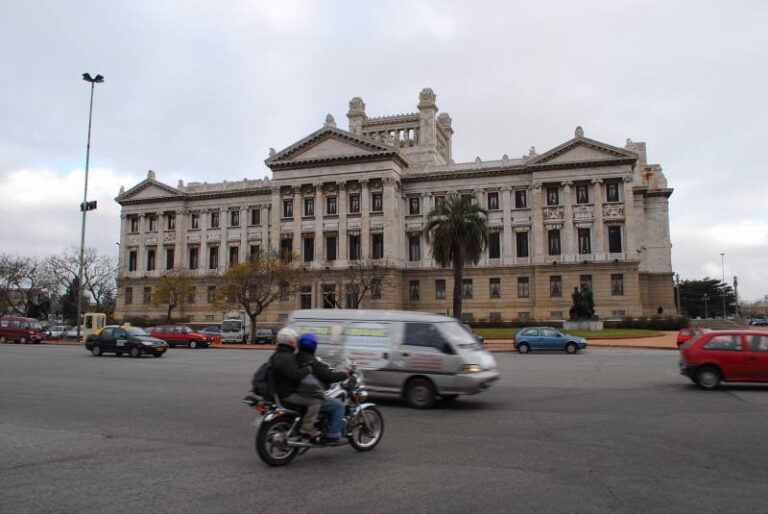
The Congress of Mayors told the Senate that it has no substantive objections to the Accountability Bill, but used the hearing to focus on another problem: the deterioration of rural roads, according to La Diaria.
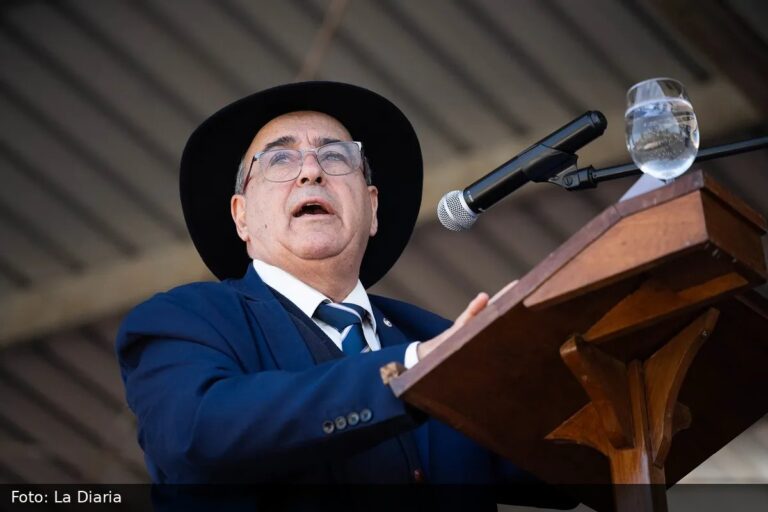
According to the stenographic record cited by that outlet, the president of the Congress of Mayors, Carlos Enciso, said that together with the Ministry of Transport and Public Works they are studying the possibility of setting aside resources to change the maintenance standard on stretches that can no longer remain as departmental roads. He said there are between 100 and 120 kilometers per department that require a different approach.
According to La Diaria, Enciso said the proposal would include a trust component, financed with part of the unpaid fines abroad, contributions from the Congress of Mayors itself and possible advances of resources from the national government.
In that framework, he also mentioned a pay-per-use criterion. He explained that they are evaluating charging those who travel along certain road corridors with a certain load, and cited forestry transport as an example: the fee would be defined based on a weighing system that would make it possible to distinguish between a loaded truck and one returning empty. He added, again according to La Diaria, that the issue was discussed with trade groups and that implementation would still take a few months.
During the committee session, National Party Senator Sergio Botana argued that current spending on road repairs ends up being ineffective in the face of heavy traffic. He mentioned investments of between $15,000 and $20,000 per kilometer for repairs that, he said, deteriorate within a few months because of truck traffic.
Botana proposed moving toward a crushed-stone base with better drainage and several layers of treatment, starting with departmental trunk roads, although he stressed that this requires a funding source.
Enciso, for his part, said the political system did not foresee the pressure that timber production and other activities would exert on secondary road networks. He maintained that the country made major investments for the export of cellulose, such as new roads and a freight train, but that no discussion was opened about strengthening departmental budgets to absorb the impact within the territories.
He also noted that the wood reaches the plants through internal road corridors in the departments and that, in many cases, companies do not even pay taxes there. In addition, he warned that forestry trucks often use secondary roads to avoid weigh stations, even though those roads were built decades ago with gravel and cannot withstand that weight.
According to his remarks, to support that load, routine maintenance is no longer enough and it would be necessary to change the construction standard, with average investments of between $300,000 and $400,000 to build asphalt surfaces that last for a few years.
Sources
About this note. Written by El Notero with assistance from artificial intelligence, based on what was published by the cited outlet. El Notero did not do its own reporting on this event.