Uruguay
Fratti Defended Colonization Policy and Said the Government Represents the Agro Sector's Demands
At the close of Expo Prado, the Minister of Livestock responded to the Rural Association's concerns and said the administration must fulfill what it promised during the campaign. He also spoke about irrigation, taxes on the sector, livestock and international outreach.
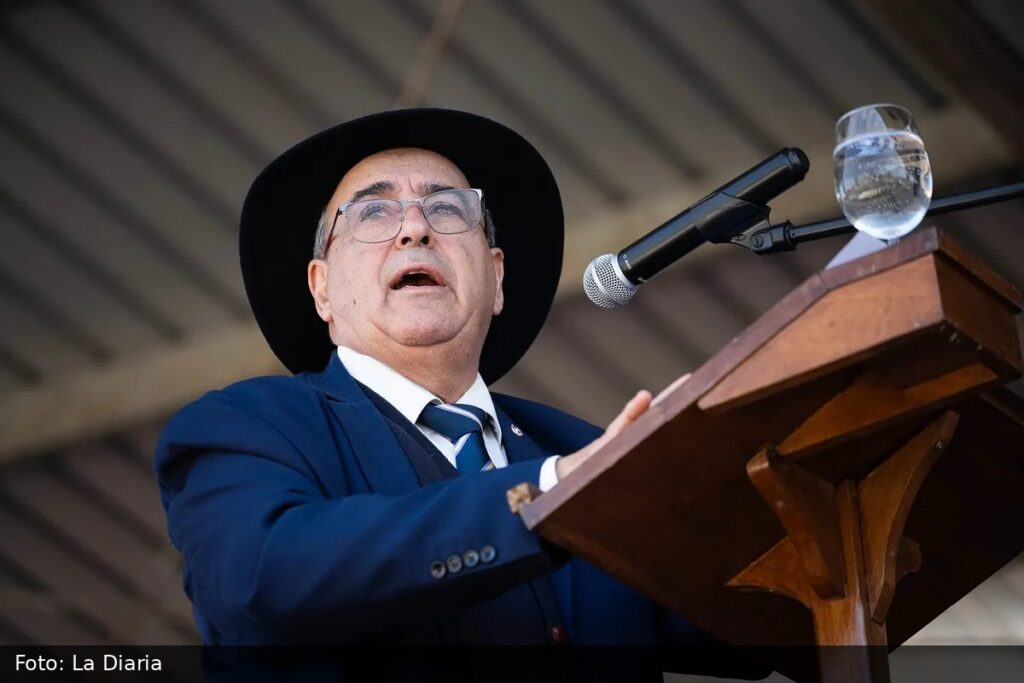
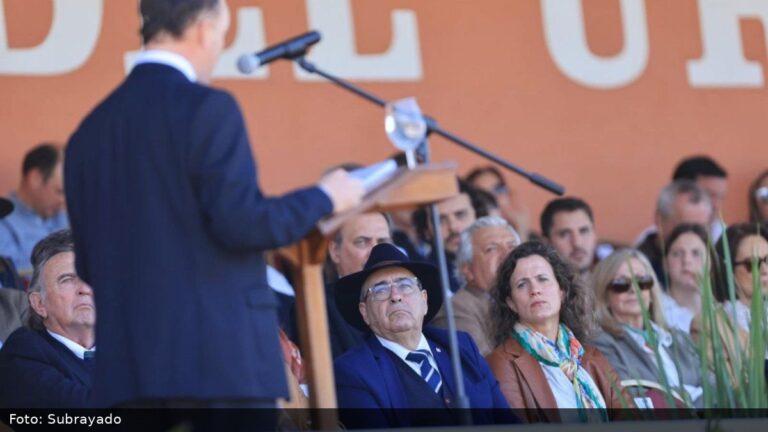
The Minister of Livestock, Agriculture and Fisheries, Alfredo Fratti, closed this Saturday the 121st edition of Expo Prado with a speech in which he defended the government’s policy toward the agro sector and responded to remarks made minutes earlier by the president of the Rural Association of Uruguay, Rafael Ferber, according to La Diaria.
Fratti said governments must act in line with what they proposed to the public and stressed that it is not pressure groups that govern. In that context, he rejected backing away from the allocation of 25,000 hectares by the National Colonization Institute, an election promise that, he said, was aimed mainly at the dairy sector.
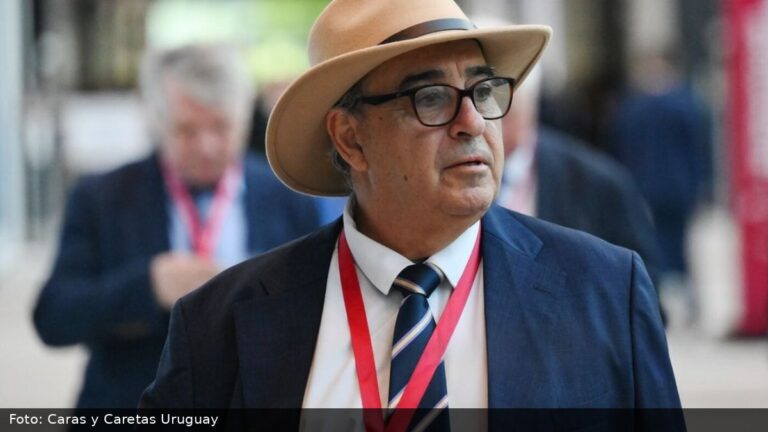
According to La Diaria, Ferber had called for a review of the agency’s regulations and questioned the use of public funds to buy land. Fratti replied that the government is willing to discuss changes and improvements, but only with those who believe Colonization can continue to be a useful tool, not with those who seek to shut it down. He also said he prefers the institute to buy land, especially in times of crisis, and described that asset as a reserve for future generations.
Another point of contention was taxation. While Ferber warned about the impact of creating or raising taxes, Fratti noted that the Accountability Bill included tax benefits linked to the National Irrigation Strategy to encourage private capital participation. On that point, he said the burden is being reduced to make projects viable.
The minister said the irrigation plan has already advanced in feasibility, economic soundness and environmental impact, and mentioned the Palo a Pique projects, in Treinta y Tres, and the Águila project, in the San Salvador River basin.
Fratti also insisted on eliminating the 1% tax on the sale of livestock. He recalled that the initiative had been removed from the budget at the request of the Congress of Mayors, but said the government has now presented three proposals to move forward with that goal. In that context, he said that when he takes part in the Council of Ministers he does not act only as another member of the cabinet, but also as a spokesperson for sectors of the agro-industrial field.
During his remarks, the minister said livestock is going through an exceptional moment and attributed that situation to decades of accumulated work, not to the current government. He particularly highlighted the traceability system as a state policy that sets Uruguayan production apart and said prototypes are already underway to add new tools.
He also said he does not see commercial threats to livestock, although he does see climate risks associated with El Niño, and noted that a group of deputy ministers is working on that issue. On international outreach, he highlighted as one of the most relevant events of Expo Prado the exchange of documents with the ambassador of India, which, he explained, sets a roadmap for future relations with that country.
Sources
About this note. Written by El Notero with assistance from artificial intelligence, based on what was published by the cited outlet. El Notero did not conduct its own reporting on this event.