Uruguay
ARU Rejected Reducing the Workweek from 48 to 40 Hours Without a Pay Cut
The rural union questioned the proposal promoted by PIT-CNT and said there are currently no conditions for a general negotiation in that direction. Rafael Ferber also linked the debate to competitiveness, tax pressure and the fiscal deficit.

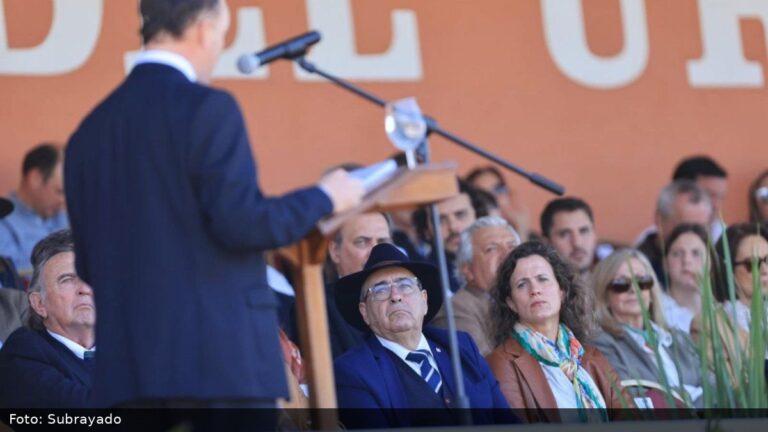
The Rural Association of Uruguay once again expressed its rejection of the proposal to reduce the workweek from 48 to 40 hours without a loss of pay, an initiative promoted by PIT-CNT. According to Caras y Caretas Uruguay, the proposal was laid out during the closing of Expo Prado.
The president of ARU, Rafael Ferber, said the conditions are not in place to negotiate a general reduction in working hours and questioned the possibility of working fewer hours while keeping the same salary across all activities.
According to Caras y Caretas Uruguay, the labor confederation has been promoting this discussion since July through the campaign “More time, more life,” launched by the Confederation of Industrial Unions with the backing of PIT-CNT. The proposal aims to cut the weekly workweek without affecting income, arguing that it would improve quality of life and working conditions.
Ferber, by contrast, cited the case of Fábricas Nacionales de Cerveza as a precedent, where, he said, a shorter work schedule without a pay cut was followed by a reduction in jobs. From that perspective, he said the main gain for workers should be having a job that is competitive and sustainable over time.
According to the same outlet, the head of ARU framed his position within a broader claim about the competitiveness of the Uruguayan economy. He said Uruguay is already an expensive country, questioned the possibility of raising taxes or creating new levies, and argued that a heavier tax burden can affect investment and the ability to compete.
As an alternative, he proposed increasing production, investment and exports, generating more jobs and moving forward with a restructuring of the state to improve efficiency. He also said the country is going through a historic opportunity, but must move from diagnoses to concrete decisions.
In that context, Ferber also referred to public accounts. Again according to Caras y Caretas Uruguay, he said the consolidated public-sector deficit exceeded US$ 3,880 million in the past year and warned that, without fiscal order, measures aimed at improving competitiveness will continue to address the consequences rather than one of their causes.
Sources
About this note. Written by El Notero with the assistance of artificial intelligence, based on what was published by the cited outlet. El Notero did not conduct its own reporting on this event.