Uruguay
Rafael Ferber called for changes in the State and criticized the port conflict at the close of Expo Prado
The president of the Rural Association of Uruguay said agriculture is key to the country's development and questioned the fiscal deficit, the tax burden and the situation at the Port of Montevideo. He also raised concerns about Colonization and the health strategy against ticks.
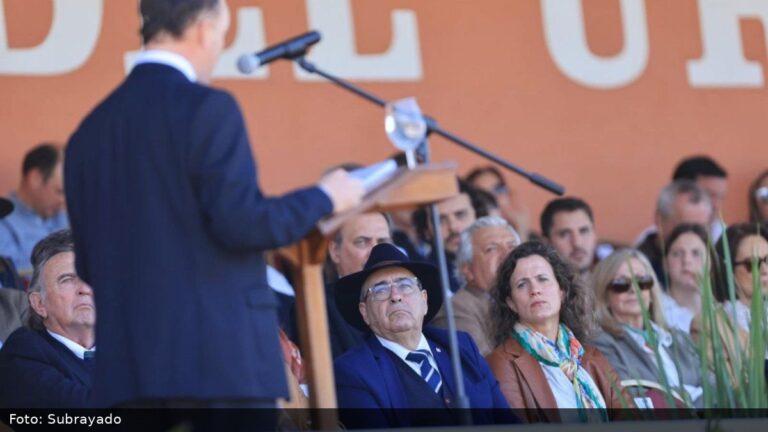
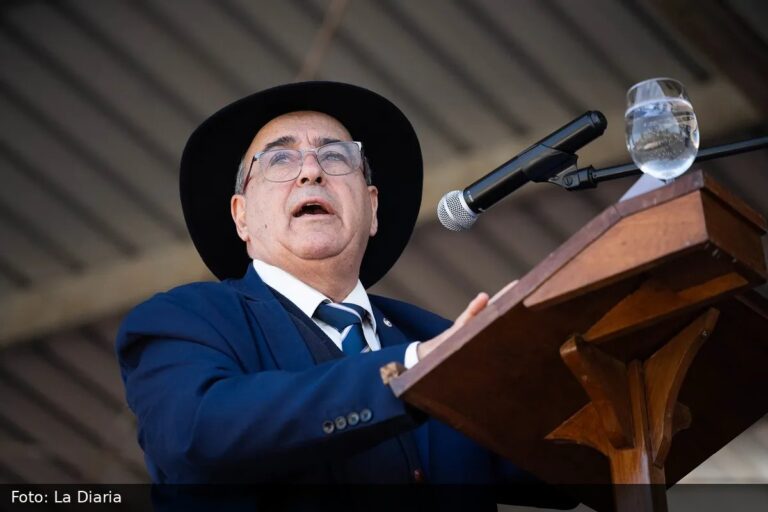
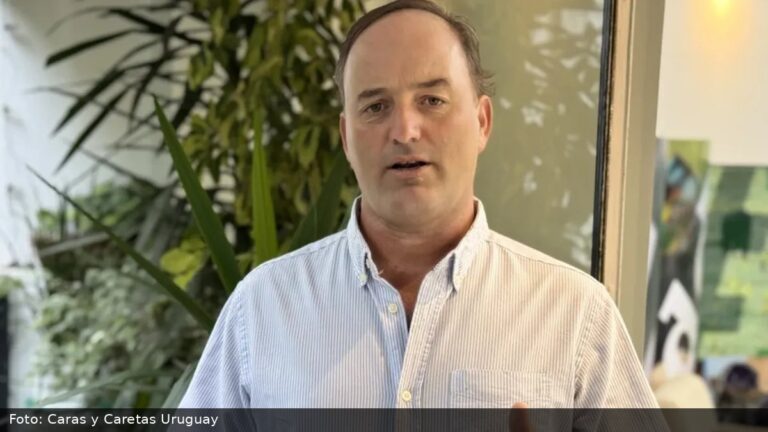
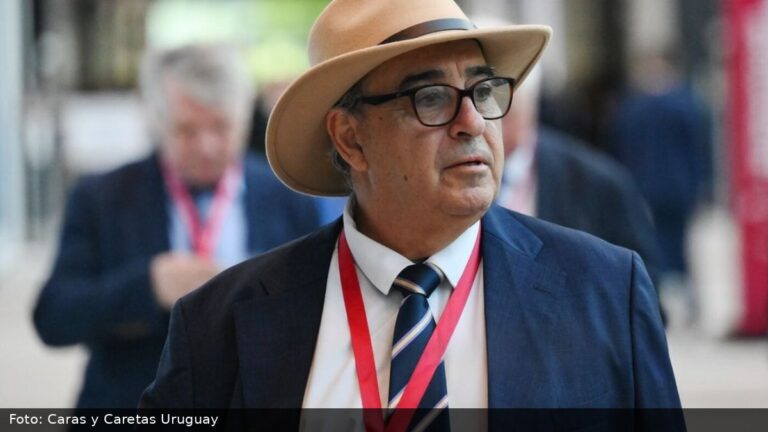
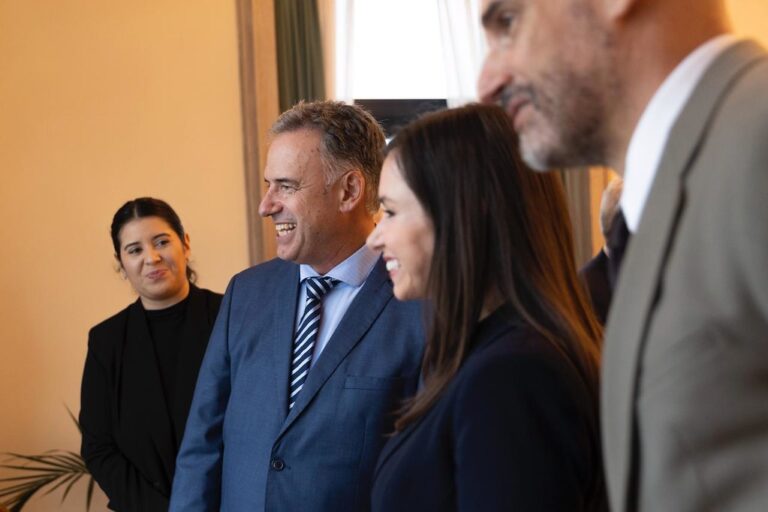
The president of the Rural Association of Uruguay, Rafael Ferber, closed Expo Prado this Saturday with a speech focused on the economic situation, competitiveness and several issues on the national agenda, according to la diaria.
Ferber said the performance of agriculture is decisive for the country and highlighted as a positive point the continuity of economic policy across different governments. At the same time, he questioned the fact that public debate continues to focus on securing more resources to finance policies, warning that a tax increase or the creation of new levies affects competitiveness and discourages investment.
In that line, he argued that the way forward is to increase production, investment, exports and employment, and said the State must also undertake a restructuring. According to him, the private sector cannot be asked for efficiency while the public sector delays those changes.
On the public accounts, he said each point of fiscal deficit represents about 900 million dollars and stated that the consolidated public sector imbalance exceeded 3,880 million dollars last year. He also referred to the exchange rate and said it is currently 4% below its fundamentals, although far from the misalignments of around 25% seen in previous years.
On the international front, he welcomed the launch of the agreement between Mercosur and the European Union, although he warned that the bloc’s countries still need to resolve how to distribute the European quotas according to their different realities.
Ferber also devoted part of his remarks to the conflict at the specialized terminal of the Port of Montevideo. He said it is unacceptable for the country to be held hostage by a dispute between Katoen Natie and the Terminal de Cuenca de Plata union, and argued that when the general interest is at stake, the State must exercise its authority. He also criticized the 24-hour national strike called by the Sindicato Único Portuario y Ramas Afines in rejection of the setting of minimum services during collective bargaining, a measure backed by PIT-CNT.
In another passage, he acknowledged the commitment of the Ministry of Livestock in the fight against ticks, but said there is still no health strategy that generates trust and support. He also warned about the loss of animals due to diseases transmitted by that parasite and about growing concern over the appearance of residues in meat, with a risk to the country’s sanitary reputation.
Finally, he questioned the current framework of the National Colonization Institute. He said that regulation was useful for another stage of the country, but that today it does not adequately address problems such as unproductive smallholdings or the agile administration of land. In that sense, he argued that there are more efficient mechanisms than allocating more public resources to the purchase of farmland.
Sources
About this note. Written by El Notero with assistance from artificial intelligence, based on what was published by the cited outlet. El Notero did not conduct its own reporting on this event.