Uruguay
The Inter-American Court Will Review Rulings on the Disappeared and Crimes Against Humanity in Uruguay
A delegation from the regional tribunal will arrive in the country to review compliance with the Gelman and Maidanik rulings. The visit comes amid criticism from human rights organizations over the situation of the specialized prosecutor's office.
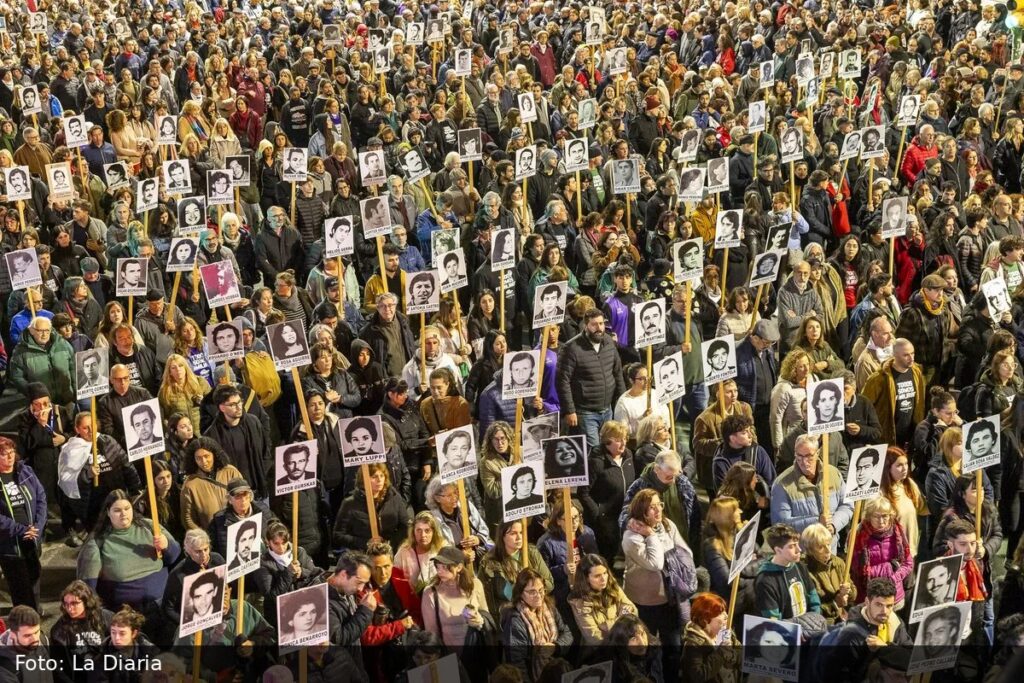
A delegation from the Inter-American Court of Human Rights will arrive in Uruguay this Wednesday to review compliance with the rulings issued in the Gelman case and in Maidanik and others against the Uruguayan state, according to la diaria.
The hearing will be closed, will last 25 minutes and will take place at the Mercosur building with the participation of Judge Patricia Pérez Goldberg. According to la diaria, the court will request information on four reparations measures, including progress in the investigations into the murders of Diana Maidanik, Silvia Reyes and Laura Raggio, and the disappearances of Óscar Tassino and Luis Eduardo González.
Information will also be requested on the actions taken to continue the search for Tassino and González, psychological or psychiatric care for the victims, and the measures adopted to strengthen the Specialized Prosecutor’s Office for Crimes Against Humanity.
The ruling in the Maidanik and others case, issued on November 15, 2021, held Uruguay internationally responsible for human rights violations during state terrorism. The review will also include follow-up on the Gelman ruling, issued in 2011.
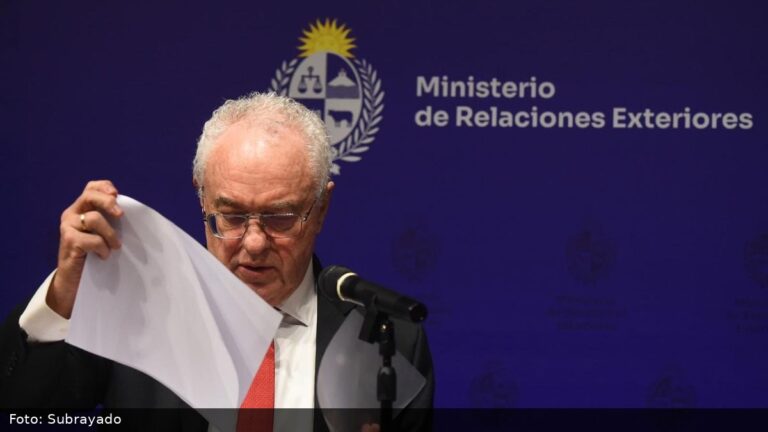
Representatives from the Foreign Ministry, the National Human Rights Institution and Ombudsman’s Office, the Human Rights Secretariat of the Presidency, the Judiciary, the specialized prosecutor’s office and the General Archive of the Nation will participate on behalf of the state. Lawyers from the Institute of Legal and Social Studies of Uruguay will also be present representing the victims, la diaria reported.
Mariana Mota, director of the INDDHH, told la diaria that compliance with the ruling shows uneven progress and stalled areas. She noted that one of the main difficulties remains obtaining information that would make it possible to deepen the search for the remains of disappeared detainees. She also said there are problems regarding archives and that state policy in that area is limited, although she mentioned that the transfer of the Human Rights Secretariat archive to the university campus where the institution’s team works is being prepared.
The court’s visit will take place amid criticism over recent decisions regarding the Specialized Prosecutor’s Office for Crimes Against Humanity. This week, acting chief prosecutor Mónica Ferrero ordered the transfer of a prosecutor from the team and then another move that was ultimately reversed, la diaria recalled. The National Prosecutor’s Office said in a statement that transfers are a routine mechanism to cover service needs.
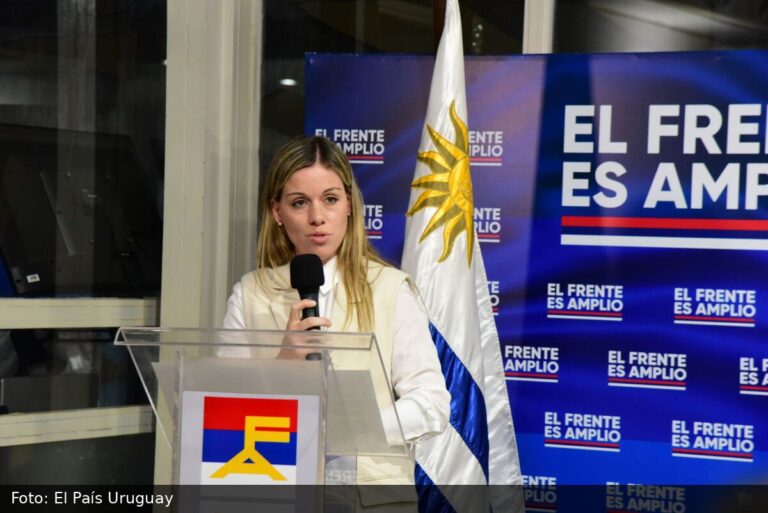
Elena Zaffaroni, a member of Madres y Familiares de Uruguayos Detenidos Desaparecidos, told la diaria that one of the central points of the ruling is precisely the strengthening of that prosecutor’s office. She also said the state remains far from complying with other measures ordered by the court, both in the search for the disappeared and in mental health assistance for the victims.
According to Mota, there were statements and actions by the Prosecutor’s Office that are not in line with what the Inter-American Court ordered, and that could be noted by the tribunal during this hearing, again according to la diaria.
Fuentes
Sobre esta nota. Written by El Notero with the assistance of artificial intelligence, based on what was published by the cited outlet. El Notero did not do its own reporting on this event.