Uruguay
The Senate approved the Accountability Bill without changes to avoid another round in the Chamber of Deputies
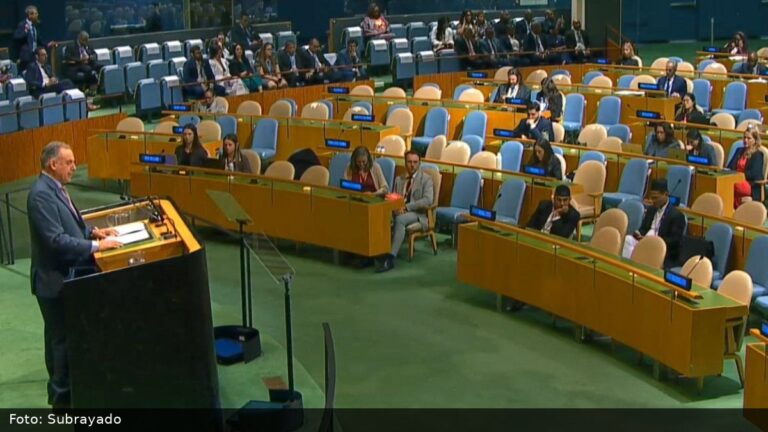
The governing party turned the bill into law with its majority in the Upper House and without introducing modifications, given the fragility of support in the Chamber of Deputies. The opposition coalition rejected the text in general, although it backed much of the article-by-article review.
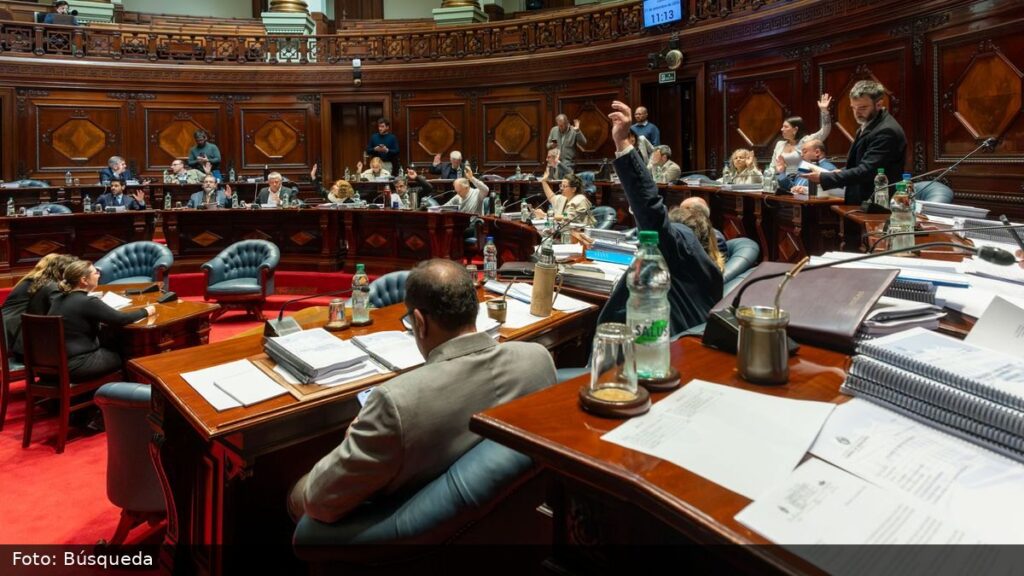
The Accountability Bill was definitively approved in the Uruguayan Senate after the governing party decided not to modify the text to avoid sending it back to the Chamber of Deputies, where its margin of support was narrow. According to Búsqueda, the Frente Amplio chose not to take risks after having needed, in the lower house, the votes of the two Cabildo Abierto deputies.
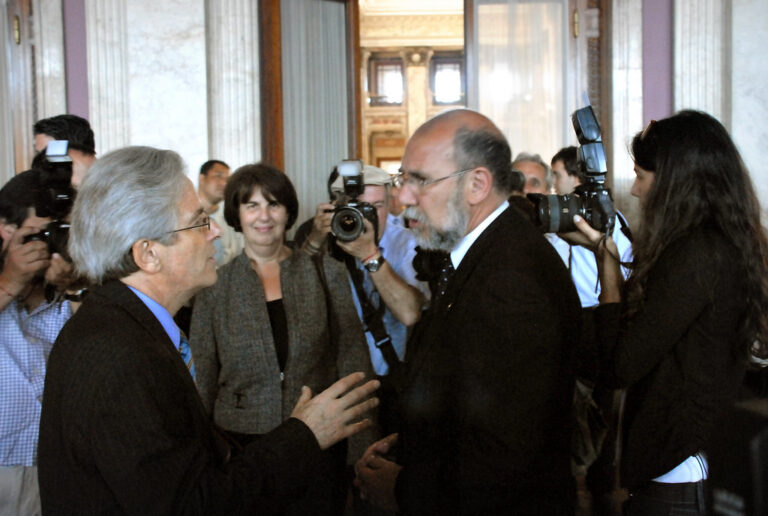
According to that outlet, before approval in the Chamber of Deputies there was a negotiation between President Yamandú Orsi and Cabildo Abierto leader Guido Manini Ríos. That understanding included changes in the payment method for transfers, a commitment to move forward with a bill on indebtedness, and a promise to raise next year the salary of subordinate military personnel.
In the Senate, the National Party and the Colorado Party questioned the governing party’s refusal to allow changes to a bill of more than 300 articles. From the Frente Amplio they responded, again according to Búsqueda, that the opposition had closed off the debate from the outset by announcing it would not vote for the initiative.
The general vote passed only with governing-party votes, but during the article-by-article review the opposition backed a significant part of the text. Frente Amplio lawmakers, National Party lawmakers and Colorado Party lawmakers approved 216 of the final 312 articles, close to 70% of the total.
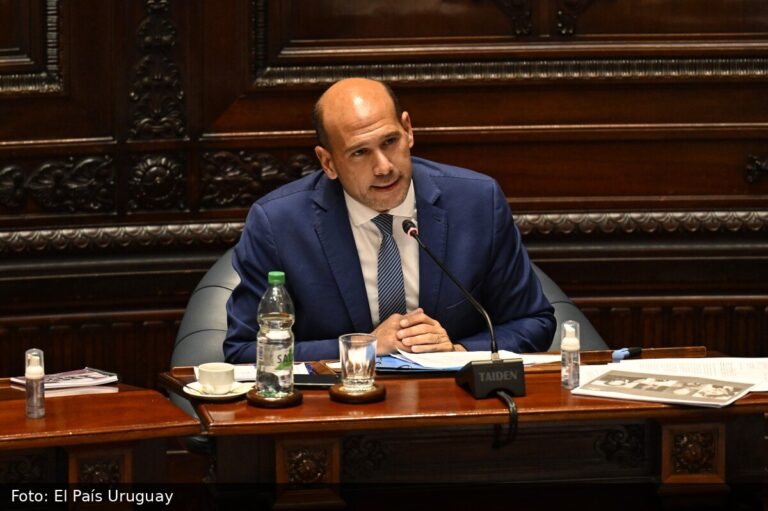
The coordinator of the governing caucus, Óscar Andrade, said the bill was “on the edge” and defended the decision not to alter it in the Upper House so as not to jeopardize its passage. He also later admitted that the process left a “bitter aftertaste” in the Frente Amplio. In the same vein, Senator Sebastián Sabini highlighted the increase in resources for security, childhood, education and assistance for people living on the streets.
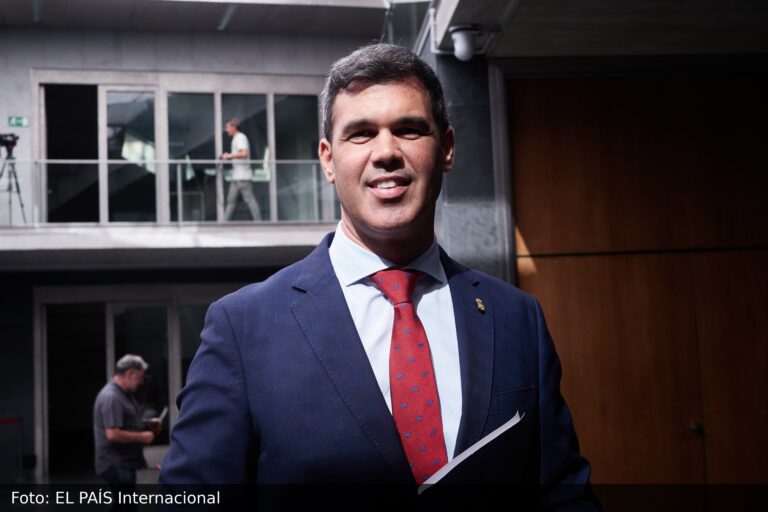
The opposition, by contrast, described the bill as “unvotable.” National Party lawmaker Rodrigo Blás said they share objectives, but not the way they were framed, and questioned both the transfer scheme and the lack of resources for the Prosecutor’s Office and the Judiciary. Colorado Party lawmaker Pedro Bordaberry said the government is “surrendered” to insecurity and the economic situation.
The parliamentary debate centered on growth projections, security and social policies. The governing party defended as key points the unification and increase of transfers for children and adolescents, the addition of more police officers for patrols, the strengthening of policies for people living on the streets, and the increase in educational scholarships. Senator Daniel Caggiani described the single allocation for children and adolescents as the most important change in the transfer system in the last two decades.
From the opposition there were also criticisms over the absence of funds for the Prosecutor’s Office. Blás said no resources were assigned in order to harm prosecutor Mónica Ferrero, while Javier García accused the governing party of trying to “strangle” the agency. According to Búsqueda, the Frente Amplio is seeking to appoint a new chief prosecutor to replace Ferrero, who is currently serving in an acting capacity, but it did not secure the necessary opposition votes.
Reservations also emerged within the governing party. Lawmaker Constanza Moreira said she would have liked to introduce changes to strengthen the courts that handle gender violence, although she valued the fact that the bill prioritizes women and children. On the other side, Sebastián Da Silva and Andrés Ojeda attributed the decision not to modify the text to the governing party’s fear of losing its majority in the Chamber of Deputies if the law had to return to that chamber.
Sources
About this note. Written by El Notero with the assistance of artificial intelligence, based on what was published by the cited outlet. El Notero did not do its own reporting on this event.