Miami
Trump Brought the Falklands Issue Into His Standoff With the United Kingdom, and Milei Sought to Capitalize on It
According to BAE Negocios, a Pentagon leak led months later to Donald Trump’s public warnings about the position of the United States on the conflict over the islands. The Argentine government read that shift as an opportunity to strengthen its claim.

The dispute over the Falklands was shaped by the tension between the United States and the United Kingdom, following a sequence that, according to BAE Negocios, began with the release of an internal Pentagon email and ended with public statements by Donald Trump.
According to that outlet, the message that surfaced on April 24 included possible reprisals against allies that had not backed Washington’s operations against Iran. Among the options under consideration was reviewing the U.S. position on the British claim to the islands as a way of pressuring London.
BAE Negocios noted that this was not a formal White House decision, but the leak was enough to trigger a British reaction. The government of the United Kingdom then reaffirmed that its position on the islands would not change and rejected any conditions for joining the war against Iran.
The article also stressed that the United States recognizes British administration of the archipelago, but does not formally take a position on sovereignty and maintains that the issue should be resolved through diplomatic channels between Argentina and the United Kingdom. Even so, it recalled that Washington supported London during the 1982 war and later maintained diplomatic backing for international initiatives favorable to the Argentine claim.
Still according to BAE Negocios, the British press first reflected confusion and then concern. It said that The Independent presented the leak as a threat linked to the conflict with Iran and reported criticism from Admiral Alan West. It also noted that The Sun gave space to criticism from war veterans, while The Guardian focused on the deterioration in relations between Washington and London. Later, it added that The Telegraph reported that Pentagon officials were warning of a possible review of the U.S. position if the United Kingdom did not increase its military spending and cooperation with the United States.
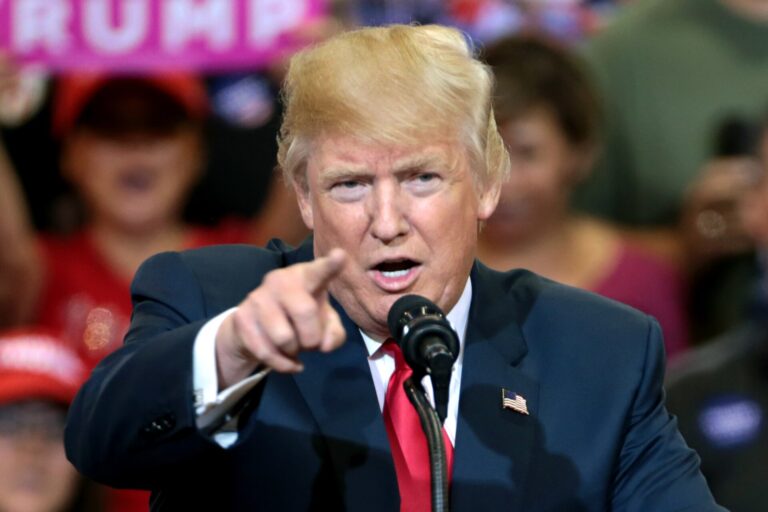
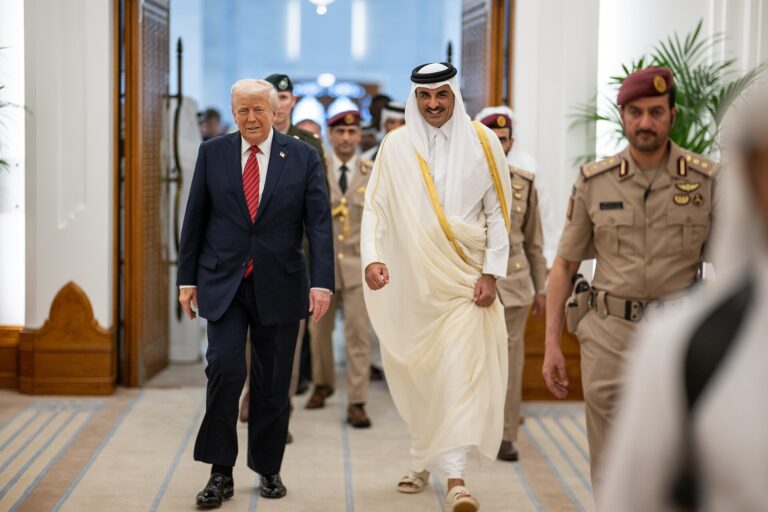
The pressure took another step when Trump spoke publicly. According to BAE Negocios, on August 31 the U.S. president said he always reviewed all positions when asked about a possible change in Washington’s policy. That response led British Prime Minister Andy Burnham to reaffirm the United Kingdom’s control over the islands.
On September 3, in an interview with GB News cited by that outlet, Trump declined to guarantee U.S. help in the event of a conflict over the Falklands and linked that possibility to the lack of British support during the war against Iran. He also questioned the United Kingdom’s ability to deploy forces over long distances.
Later, during a visit to Dublin, Trump described the dispute as a “potential disaster,” said that Argentina and the United Kingdom were at odds, and said he was willing to step in as a mediator, according to BAE Negocios. The outlet added that there was no formal policy change in Washington, but there was an explicit use of the issue as a tool of pressure on London.
In that context, the Argentine government sought to take advantage of the situation. On September 4, Javier Milei said that “winds of change” were blowing in favor of the Argentine claim and argued that the United States was reviewing its position because it considered Argentina a reliable and strategic partner, according to BAE Negocios.
The president announced sanctions against companies linked to hydrocarbon exploitation without Argentine authorization, anticipated a legal reform to expand penalties, and confirmed the submission to Congress of a National Sovereignty Defense Law. He also spoke of increasing the military budget and advancing the Integrated Naval Base in Ushuaia.
The British response was to reaffirm its position. According to BAE Negocios, Defense Minister Wes Streeting said the United Kingdom’s commitment to the islands was “absolute and unwavering” and stated that the deployed forces remained ready to defend them.
So far, the Argentine offensive has not altered Washington’s formal neutrality or led to recognition of Argentine sovereignty. But, according to the outlet’s analysis, the Falklands issue has taken on a different place within the relationship between the United States and the United Kingdom, amid the debate over Iran, NATO and military spending.
Sources
About this note. Written by El Notero with the assistance of artificial intelligence, based on what was published by the cited outlet. El Notero did not conduct its own reporting on this event.