Uruguay
Richard Read questioned the foreign policy of Orsi's government and spoke about costs and investment in Uruguay
The former union leader said he views the Foreign Ministry's performance with reservations and called for a different tone in some public signals from the ruling coalition. He also addressed the economy, labor disputes, and the conditions for investing in the country.
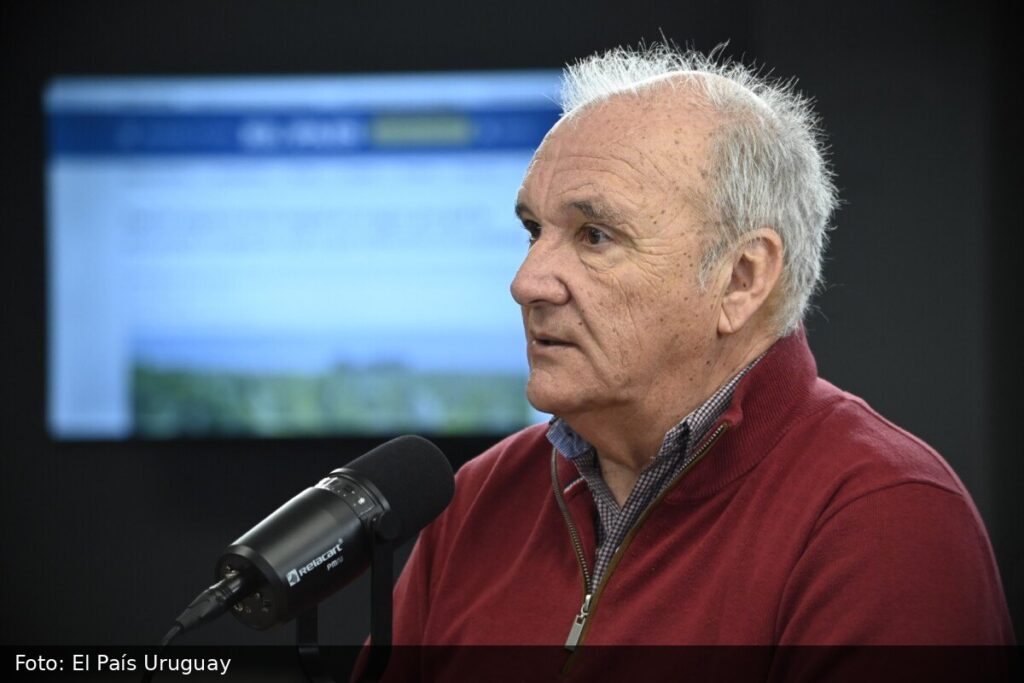
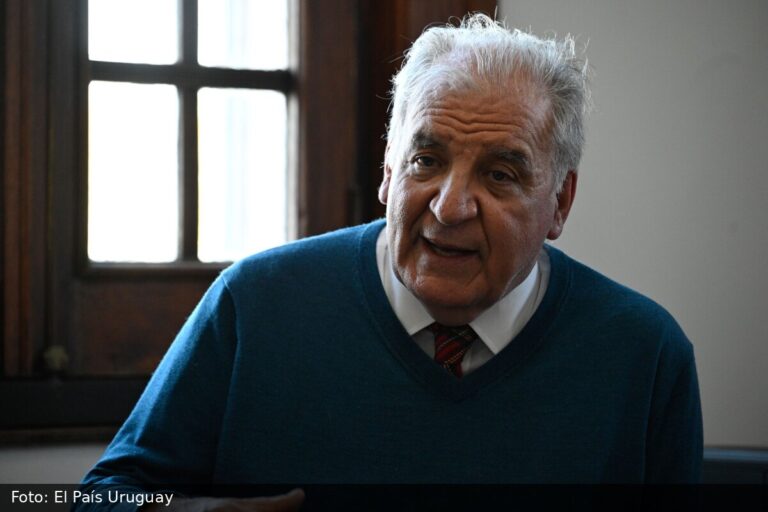
Richard Read, former leader of the Federation of Workers and Employees of the Beverage Industry and current figure at Cosechando Esperanzas, said he would like to see Yamandú Orsi’s government from another perspective and described himself as very critical of the leadership of the Ministry of Foreign Affairs.
According to El País Uruguay, Read said in an interview with En Clave País that the Foreign Ministry has had an ambiguous performance, with marches and counter-marches on international policy matters. Among his criticisms, he mentioned the back-and-forth over deportees from the United States and the whole Israel issue. In that context, he said there are matters in which you have to be flexible, but others in which, in his view, the position should be clearer.
He also argued that within the Broad Front there are those waiting for signals from the government that, he said, did not come. As an example of that criticism, he referred to a contradiction between the gestures of May 1 and the presence the following day on an American aircraft carrier.
According to El País Uruguay, Read also considered that the government is affected by a complicated economy, although he valued that Minister Gabriel Oddone is doing juggling acts. About Orsi in particular, he said he should refine his public appearances and moderate some responses on highly visible issues.
The former union leader linked that scenario to a social reality that, he said, has changed compared with a decade ago, with more neglect and intolerance.
Asked about the situation at the port, Read said this type of conflict is especially complex. Based on his experience in the beverage industry, he stressed that labor disputes can escalate quickly and then be difficult to resolve, in addition to the impact they have on workers’ families. In that sense, he defended the importance of negotiation and said that, when the parties know each other, there is no need to resort to threats.
On investment, he said Uruguay faces a funnel because of its high costs. According to him, producing in the country is expensive because there is a state structure that requires funding through taxes. In that analysis, he included the relationship between assets and liabilities at the Banco de Previsión Social and in para-state pension funds, as well as the number of public employees.
Even so, he rejected the idea that unions scare away investment. According to him, in industry labor costs carry little weight, and he cited the beverage sector as an example, where, he said, that component represented between 6% and 8% when he worked there. He also denied that Uruguay has high labor conflict.
Read currently heads the Cosechando Esperanzas program, aimed at helping adolescents housed in the Instituto Nacional de Inclusión Social Adolescente gain access to jobs in companies.
Sources
About this note. Written by El Notero with the assistance of artificial intelligence, based on what was published by the cited outlet. El Notero did not conduct its own reporting on this event.