Uruguay
Petit argued that mental health reform requires opening the state system to the community
The president of the National Human Rights Institution said the shift in model requires new care networks and a different institutional framework. He also linked violence prevention to stronger coexistence and shared responsibilities.
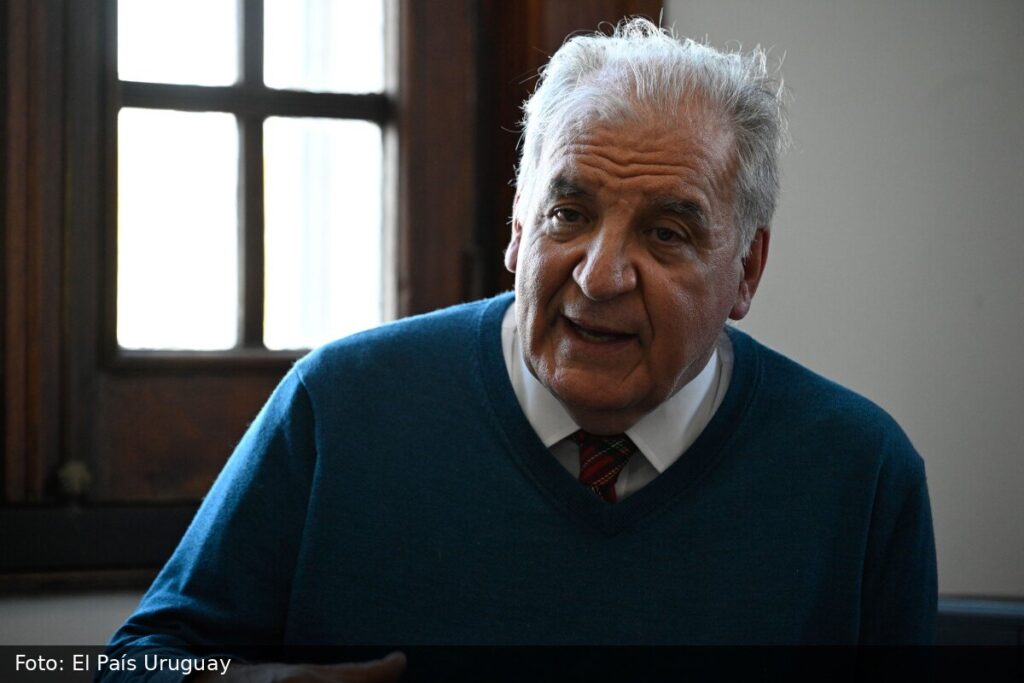
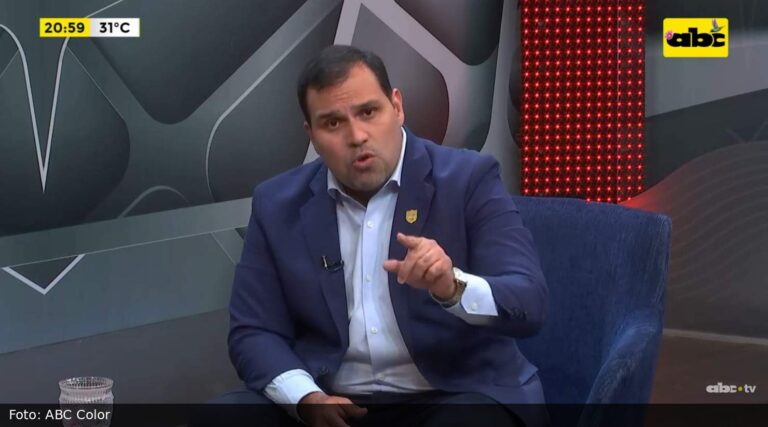
The president of the National Human Rights Institution, Juan Miguel Petit, said that the transformation of mental health care in Uruguay requires a profound change in the role of the State, which, in his view, must acknowledge that it cannot solve everything solely through its own structures.
In an interview with El País, Petit said that the debate over mental health has become central and that the country faces the challenge of moving from institutions of confinement to a community-based model, in line with the current law. As he explained, that process involves reallocating resources, developing different services and leaving behind the logic of total institutions, which he associated with mass scale, distance in relationships and a loss of personal autonomy.
Petit said that clear leadership is needed for that transition and a new institutional framework that makes it possible to bring together organizations, train teams, refer people, set indicators, evaluate results and monitor the functioning of the different services. In that context, he argued that the State must open participation to other institutions rooted in the community.
He also stressed that the approach to mental health goes beyond the debate over suicide and cuts across society as a whole. In that sense, he said that no one can consider themselves detached from the problem and linked possible responses to the building of protection networks, as well as factors such as upbringing, attachment and the absence of violence in the early years of life.
Asked about episodes of violence such as the attempted femicide at the Udelar School of Medicine, Petit told El País that there are no linear solutions, but that a richer coexistence and stronger relationships among people can help prevent assaults and channel conflicts through other paths. At the same time, he underlined that human rights also entail duties toward the community and that not all responsibility can fall exclusively on the State, even if it remains the main obligated party.
On the possibility of creating a parliamentary commissioner for children, he said that an intermediate formula linked to the National Human Rights Institution could be explored. According to him, another option is to strengthen the budget and staff of the area, and he warned that the coexistence of two bodies with similar powers could lead to contradictory rulings.
Sources
About this note. Written by El Notero with the assistance of artificial intelligence, based on what was published by the cited outlet. El Notero did not conduct its own reporting on this event.