Uruguay
The project to restore councils with teacher representation in ANEP remains stalled in the Chamber of Deputies
The initiative promoted by the Frente Amplio to modify the structure established by the LUC remains blocked in committee. According to El País, the governing party is two votes short of approving it in the Chamber of Representatives.
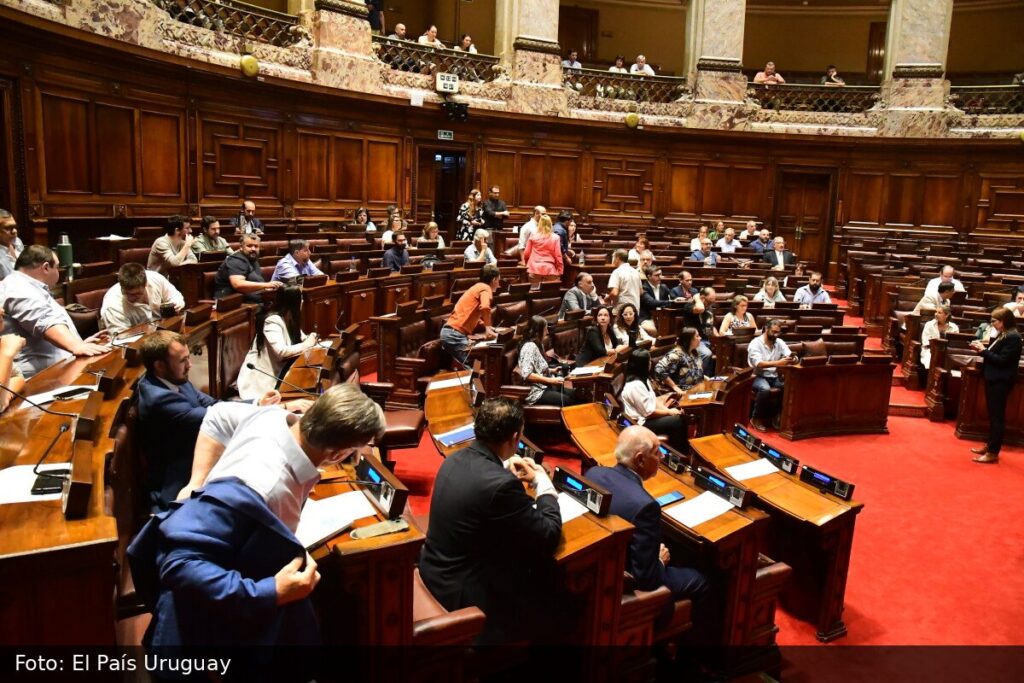
The bill sent by the Executive Branch to expand participation in ANEP continues without progress in the Education and Culture Committee of the Chamber of Representatives, according to El País. The initiative proposes returning to the council system in the Initial and Primary, Secondary and UTU subsystems, with three members in each case, including one representative elected by teachers.
According to El País, the text was sent to Parliament in October last year and then moved early from the Senate to the Chamber of Deputies, where it entered committee in November. In May, authorities from the Ministry of Education and Culture appeared before that body, and in June senior officials from ANEP’s Codicen did so, but the file recorded no progress.
Political sources from the Frente Amplio told El País that the initiative is “stalled” because it does not currently have the necessary support in the Chamber of Representatives. According to that version, the governing party is two votes short of reaching a majority and the project does not have the backing of the republican coalition, nor of Identidad Soberana or Cabildo Abierto.
In the same vein, Colorado lawmaker Felipe Schipani, chair of the committee, told El País that the project has not moved because “the votes are not there” outside the governing party. Frenteamplista lawmaker Magela Rinaldi, vice chair of that body, told the same outlet that the initiative has still not begun to be formally discussed or requested for the agenda, although she said there is interest in her political force in working on it this year or next.
The proposal also provides for advisory committees with the participation of students, families, officials and other actors, to offer opinions on the needs of the education system. It also establishes that the three members of each council must have at least 10 years of teaching experience in public education.
According to El País, the return to councils reopened the debate over the changes introduced by the Law of Urgent Consideration. The coalition insists that that structure was already endorsed in the public debate during the referendum on the LUC. In May, the Minister of Education and Culture, José Carlos Mahía, defended in committee the government’s authority to promote this change and said that the efficiency sought with the current model has not been proven.
There were also criticisms from the opposition. Colorado senator and former ANEP president Robert Silva said, in statements collected by El País months ago, that the return to councils would be a step backward and rejected the claim that teacher participation had been eliminated, noting that that sector retains representation on Codicen.
Sources
About this note. Written by El Notero with assistance from artificial intelligence, based on what was published by the cited outlet. El Notero did not do its own reporting on this event.