Uruguay
The Central Electoral Board advances with the breakdown of naturalized citizens under the grandchildren law after the Supreme Court order
The body requested reports from the Electoral Census Office and consular registries to distinguish the cases covered by the Democratic Memory Law from those included under a 2022 instruction. According to ABC, the extraordinary meeting was marked by strong internal criticism of the judicial ruling.

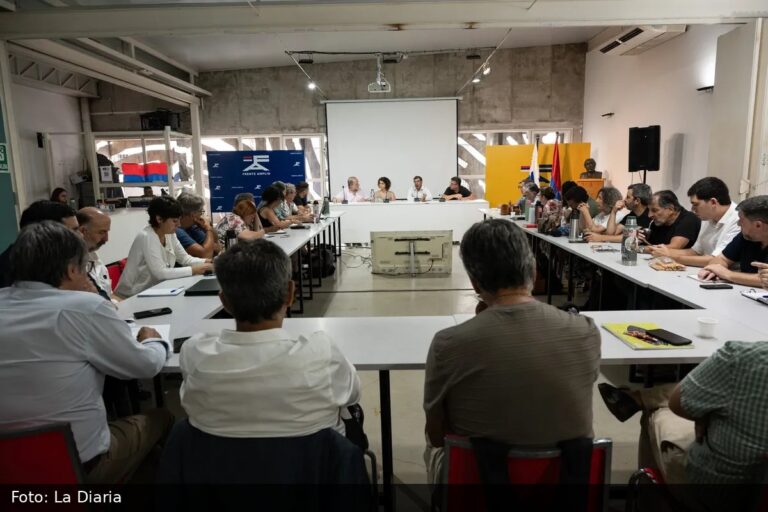
The Central Electoral Board began this Monday to carry out the order from the Supreme Court that suspended registrations in the census linked to the so-called grandchildren law. In an emergency meeting, it ordered requests for reports from the Electoral Census Office and the consular registries to verify the link to exile of the naturalized people who could vote in the upcoming elections.
According to ABC, the agreement aims to distinguish two groups: those who obtained or seek to obtain nationality under the eighth provision of the Democratic Memory Law and those who did so or intend to do so under a 2022 instruction from the Ministry of Justice that expanded the criteria originally set out.
According to the text cited by that outlet, the Board asked the General Directorate for Spaniards Abroad and Consular Affairs to instruct the consular registries to issue certificates for the naturalized citizens. It also instructed the Electoral Census Office to carry out the breakdown required by the Supreme Court, separating those who fall under the grandchildren law from those covered by the instruction signed at the time by Sofía Puente.
ABC noted that the Third Chamber of the Supreme Court focused on the electoral consequences of that instruction and warned that keeping the census registrations would pose “a serious and real danger” to the transparency of elections.
In addition, the Board plans to analyze in the coming days a complementary report from the Electoral Census Office on the updating of the register, particularly regarding declarations by those who request registration in a municipality different from that of their last residence in Spain. According to ABC, the body will meet again on Thursday, September 24, to study that document and move forward with the instruction it must send to the consular offices on assigning each voter to a specific constituency.
Still according to ABC, the extraordinary meeting took place in a tense atmosphere. Sources within the JEC indicated that at least five members questioned why the affected people had not been heard beforehand before suspending or conditioning their right to vote, although that objection did not lead to a formal vote.
Among those who voiced objections were Pilar Teso, Javier Hernández, Javier García Roca and Mariluz Martínez Alarcón, according to the same outlet. ABC added that Alba Nogueira took the toughest position and even suggested that the Board should practically not comply with the ruling so as not to contradict what the majority decided in July. In that exchange, Teso recalled that the body had to comply with what the Supreme Court ordered, even if it did not share its reasoning.
Sources
About this note. Written by El Notero with the assistance of artificial intelligence, based on what was published by the cited outlet. El Notero did not conduct its own reporting on this event.