Miami
US Supreme Court keeps postal rule limiting mail voting on hold
The justices denied a Trump administration request to enforce changes to election mail before the 2026 midterms. The ruling leaves in place a Massachusetts federal judge’s order pausing the measure.
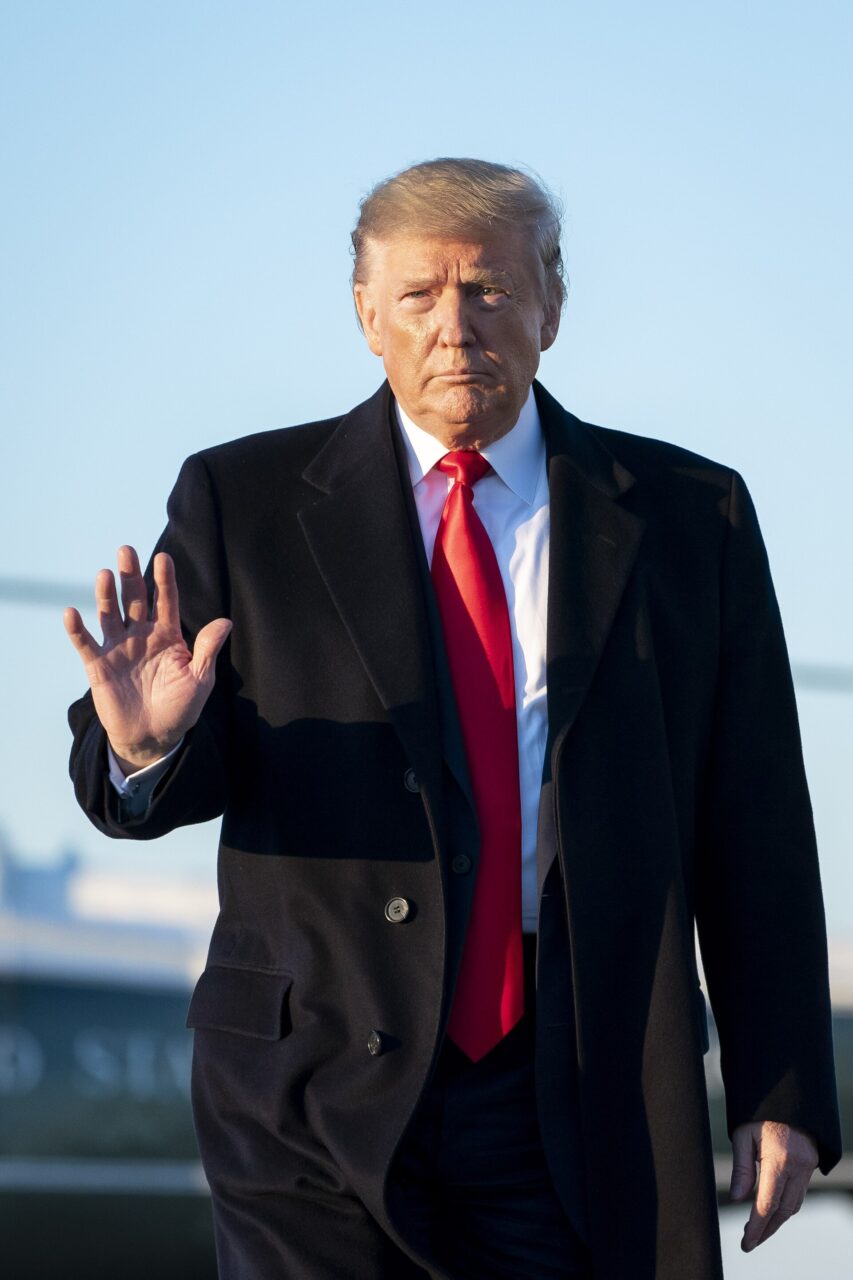
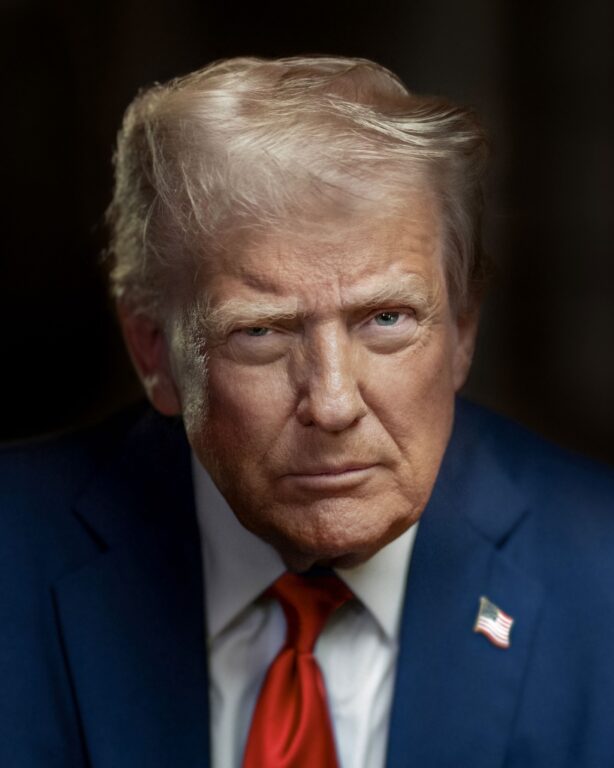
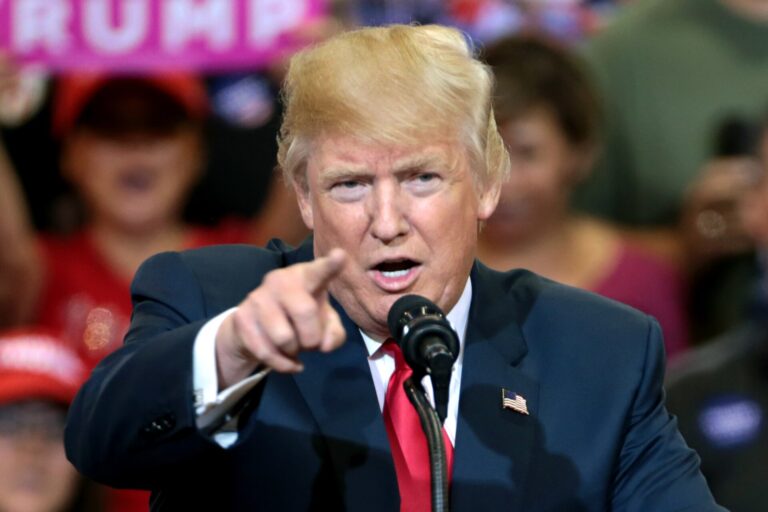
The U.S. Supreme Court on Monday declined to let a new Postal Service rule affecting election mail take effect for now, dealing a setback to Donald Trump’s push to narrow the use of mail voting, according to Roll Call.
The order leaves in place a preliminary injunction issued by Judge Indira Talwani of the federal district court in Massachusetts, who found that the rule likely violated federal law and the Constitution because it intruded on responsibilities largely reserved to state and local officials in administering federal elections.
In its brief unsigned order, the Court said the government was unlikely to prevail at this stage and that the factors required for emergency relief did not support a stay.
Justice Brett M. Kavanaugh agreed with the outcome but wrote separately that the rule itself might be lawful, while saying its implementation before the 2026 midterm elections would be unlawful because state and local officials do not have enough time to put it in place.
In dissent, Samuel A. Alito Jr. and Clarence Thomas criticized the majority for allowing the case to proceed. Roll Call reported that Alito argued the law gives the Postal Service authority to regulate the mail and that the measure should have been allowed to move forward.
The court fight grew out of a March executive order signed by Trump that sought to sharply restrict absentee voting by mail. Among other steps, it directed the Postal Service to adopt a rule limiting delivery of election mail only to people identified by states as eligible voters.
Roll Call said the order also involved the Department of Homeland Security and other federal officials in compiling lists of eligible citizen voters for distribution to the states. That part of the dispute remains in separate litigation before the Supreme Court.
Several states, led by California, challenged the move in Massachusetts, arguing that it exceeded presidential authority. They also said the changes could not be implemented in time, infringed on state control over elections, and could unlawfully disenfranchise eligible voters because of federal errors.
According to Roll Call, while the matter was pending before the justices, a second federal judge in Washington also found the postal rule likely unlawful and ordered it paused. State and local election officials likewise argued that the required changes could not be lawfully carried out before the 2026 midterms.
Sources
About this piece. Written by El Notero with AI assistance, from reporting published by the outlet cited above. El Notero did no original reporting on this story.