Miami
Trump administration again asks the Supreme Court to allow third-country deportations
The U.S. government returned to the justices for a third time seeking to revive the practice while the legal fight continues. Justice Ketanji Brown Jackson set September 28 as the deadline for the immigrants’ response.
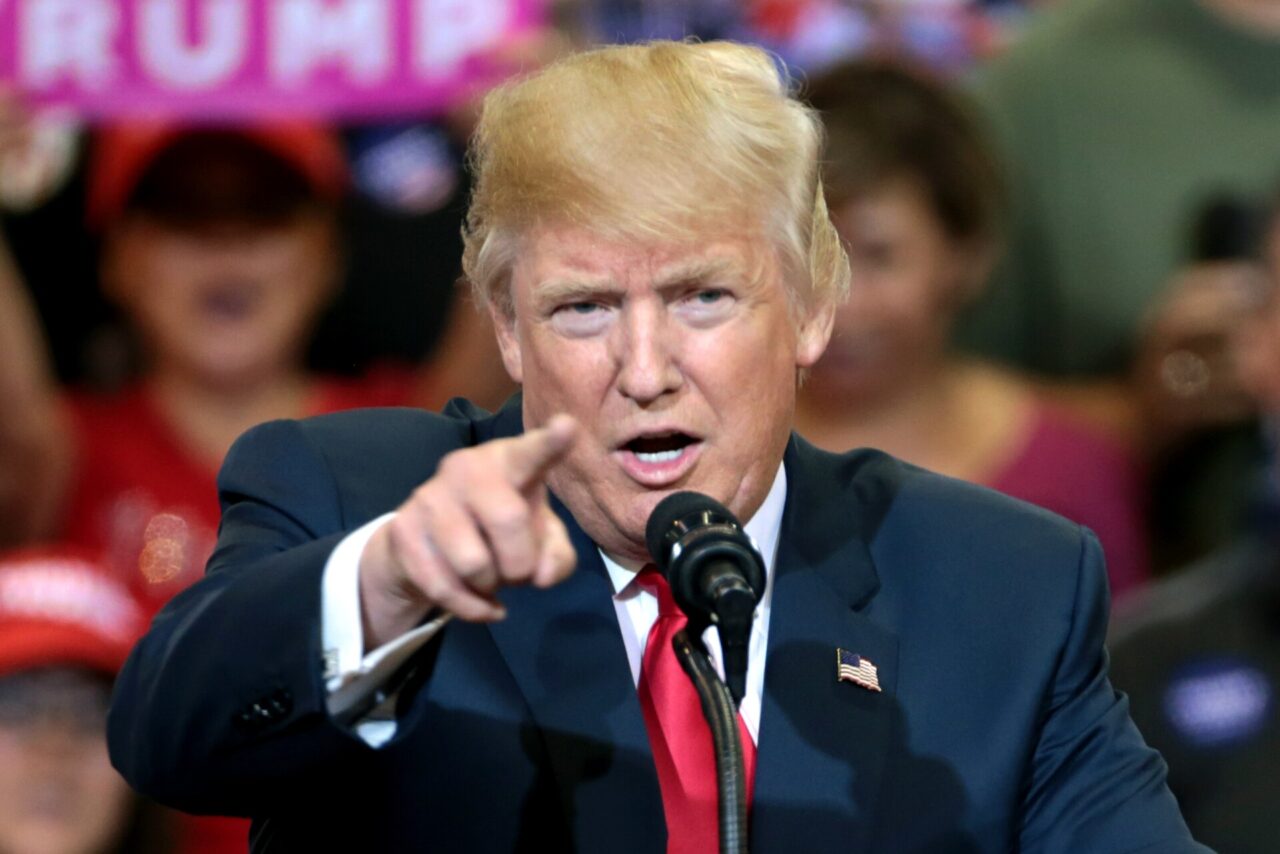
The Trump administration has gone back to the U.S. Supreme Court in an effort to restart deportations of noncitizens to countries not listed in their removal orders, a process known as third-country removals, SCOTUSblog reported.
The filing was submitted Thursday by U.S. Solicitor General D. John Sauer, who also asked for an immediate administrative stay so the government can keep carrying out removals while the justices consider the request.
According to SCOTUSblog, this is the third time the administration has asked the high court to step into the dispute. Sauer argued that the latest order from U.S. District Judge Brian Murphy relies on the same flawed legal reasoning as earlier rulings.
Justice Ketanji Brown Jackson, who handles emergency matters coming from the 1st Circuit, ordered the immigrants in the case to respond by 4 p.m. EDT on Monday, September 28.
The dispute began after an executive order signed by Donald Trump on January 20 directing the Department of Homeland Security to take all appropriate steps to remove noncitizens who remained in the country despite having deportation orders.
Following that directive, DHS issued internal guidance in February instructing officials to assess whether undocumented immigrants with removal orders, who had not been sent back to their home countries because of the risk of torture, could instead be removed elsewhere. Additional guidance issued the next month said that before deporting someone to a country not named in the removal order and that had not assured the United States the person would not face torture, the government had to provide notice of the planned destination, allow the immigrant to express fear, and, if necessary, conduct a screening on that risk.
In March, four immigrants with removal orders went to federal court in Massachusetts, arguing that they feared being sent to a country not identified in their cases. Murphy then barred the government from carrying out such removals without written notice to the immigrants and their lawyers and without a meaningful chance to challenge the move. He also said DHS should assess whether the fear of torture was reasonable and, if that standard was not met, give at least 15 days to seek reopening of immigration proceedings.
SCOTUSblog noted that the Supreme Court had already intervened earlier in the case. On June 23, it paused Murphy’s order while the government’s appeal moved forward. One day later, the administration sought clarification so it could proceed with the deportation of eight men being held at a U.S. military base in Djibouti after Murphy had ruled that an attempt to send them to South Sudan violated his order. On July 3, the court said in a brief opinion that its June 23 stay applied in full and also covered Murphy’s later ruling on the South Sudan removals.
When the case returned to the lower courts, Murphy entered final judgment for the immigrants and struck down the third-country removal policy. Among other findings, he concluded that before such a deportation, immigrants must receive meaningful notice and a meaningful opportunity to contest removal if they have a reasonable fear of persecution or torture.
SCOTUSblog reported that last Friday the U.S. Court of Appeals for the 1st Circuit largely upheld that ruling, and that on Wednesday it dissolved the March 16, 2026 order that had kept Murphy’s decision on hold during the appeal.
In the new Supreme Court filing, Sauer said reinstating Murphy’s order had caused major logistical problems for ongoing removal operations, including canceled flights, as well as added costs, possible diplomatic complications, and difficulty removing people the government considers dangerous criminals.
He also argued that Murphy and the appeals court again relied on meritless grounds and ignored, in the government’s view, jurisdictional limits that bar courts from reviewing persecution or torture claims outside a petition for review of a removal order. He further objected to the lower courts’ rejection of the government’s reliance on assurances from certain countries.
Sauer said that if third-country removals are delayed, the government will often have to restart the entire removal process and rework arrangements with foreign governments.
Sources
About this piece. Written by El Notero with AI assistance, from reporting published by the outlet cited above. El Notero did no original reporting on this story.