World
Humberto de la Calle analyzes Abelardo De La Espriella's victory as a vote for correction
In an excerpt from his book "La democracia fatigada," published by El Tiempo de Colombia, the former senator argues that the election result reflected a turn toward security without erasing social discontent. He also warns about the erosion of liberal democracy and its institutions.
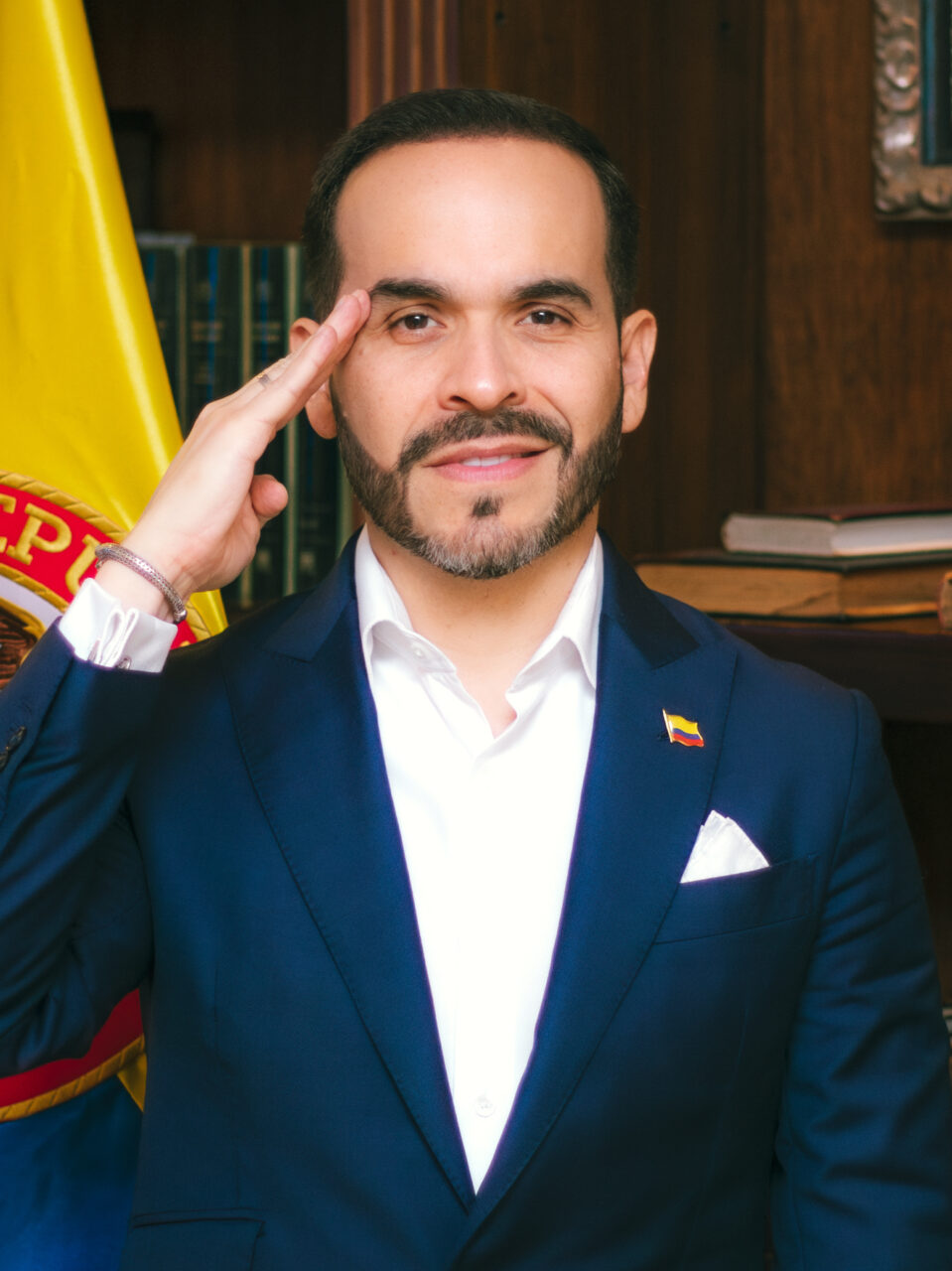
In an excerpt from La democracia fatigada published by El Tiempo de Colombia, Humberto de la Calle argues that Abelardo De La Espriella’s victory should not be read as a simple return to a supposed political normality, but rather as an expression of social discontent channeled through a demand for order and security.
According to the author, an electoral majority chose a candidacy associated with a hard line and rejection of the Historic Pact project, but that does not mean the reasons that once made Gustavo Petro’s rise possible have disappeared. De la Calle argues that problems such as inequality, social fractures, neglect of regions, the fragility of justice, clientelist networks and the deterioration of political representation persist.
In that context, he says De La Espriella capitalized on fear and on the wear and tear of Petro’s government. In his view, the vote did not reflect full ideological alignment, but rather a desire to correct course in the face of insecurity, the tone of the official discourse and the Executive Branch’s relationship with judges, Congress and oversight bodies.
The former senator also notes that part of the electorate may have maintained its support for social reforms and redistributive policies, even as it rejected what he defines as improvisation, resentment and a logic of confrontation within the government. In that line, he stresses that the country did not abandon its underlying discontent, but rather redirected it.
De la Calle adds that the last two electoral cycles showed the weight of candidacies outside the traditional political line. In his reading, both in 2022 and 2026 the ailments of a worn-out democracy were at work, one increasingly less anchored in stable party loyalties and more conditioned by the social mood and perceptions of security.
The text also broadens the focus toward a critique of the fatigue of liberal democracy. There it warns that distrust no longer extends only to parties or the political class, but also to rules, checks and balances, institutional limits and procedures. At that point, it places Petro’s government as a local expression of a broader trend, by questioning Congress, judicial decisions, the press and the role of legality.
For the author, the change in government does not close the debate over Colombia’s underlying problems. On the contrary, he argues that it reopens it and that the election showed, at the same time, a fatigued society and a democracy that still retains the capacity for alternation and correction.
Sources
About this note. Written by El Notero with assistance from artificial intelligence, based on what was published by the cited outlet. El Notero did not conduct its own reporting on this event.