Uruguay
Polls Mark a Pause in the Decline of Orsi’s Government Image
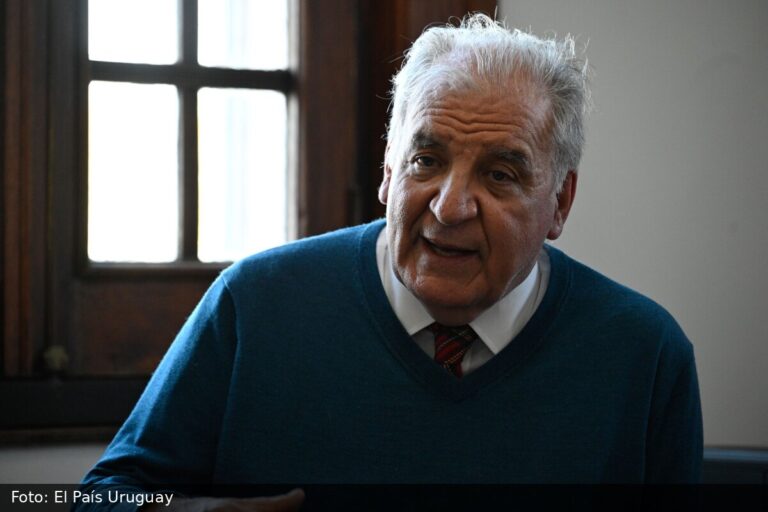
According to Búsqueda, three surveys recorded a stabilization in the administration’s performance rating, and within the ruling coalition they link it to internal alignment, the Rendición de Cuentas and greater visibility for measures.
The assessment of Yamandú Orsi’s government showed a sign of relief in recent weeks, according to data collected by Búsqueda. The weekly reported that three opinion polls coincide in a slight rebound or, at least, in a slowdown in the deterioration the administration had been recording.
According to the latest measurement by Equipos Consultores cited by that outlet, disapproval fell from 53% in June 2026 to 51% in August, while approval rose from 26% to 28%. Presenting those results, Ignacio Zuasnabar said it is the first poll in which disapproval eases and that the government appears to have stabilized in the last quarter.
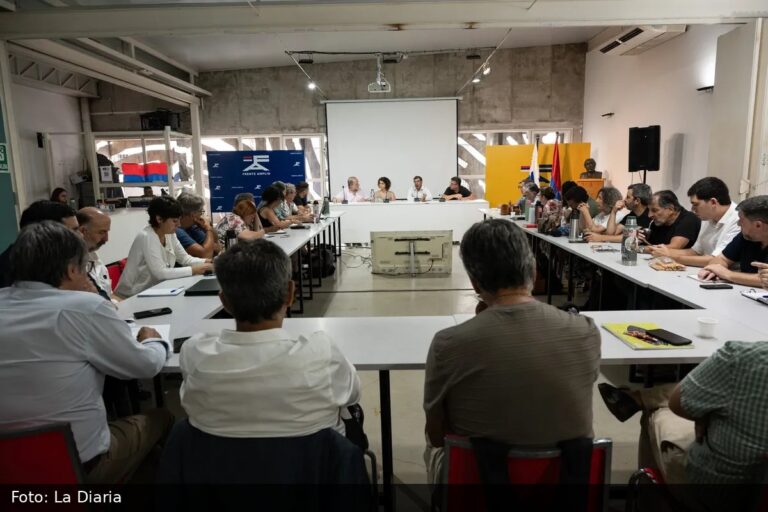
Búsqueda added that within the Frente Amplio that movement was analyzed as a possible brake on the erosion. In a preliminary report presented to the Political Board on August 31, Agustín Canzani argued that there are signs of a halt in the decline and the start of a recovery.
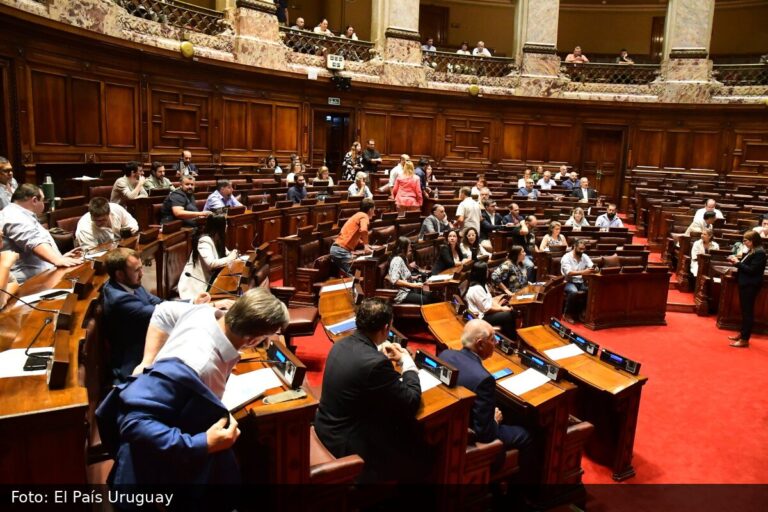
Among the explanations ruling coalition leaders gave to the weekly are the closing of ranks between the party and the government, the approval in the Chamber of Deputies of the Rendición de Cuentas and greater visibility for concrete administration decisions. In that context, the event held on August 15 at El Galpón, with the participation of Fernando Pereira, Alejandro Sánchez and Carolina Cosse, was read as a public display of alignment.
The outlet also noted that this political movement coincided with measures promoted by the government, including the unification and increase of transfers for children and adolescents and the creation of 300 new police positions. At the same time, it contrasted with the discomfort generated in Frente Amplio sectors by the lack of progress on proposals such as an additional tax on the richest 1% or a reduction in the workday.
The official communication strategy also included a series of public announcements. On August 31, Orsi and the Minister of Public Health, Cristina Lustemberg, announced the incorporation of 12 medicines into the therapeutic formulary of the Sistema Nacional Integrado de Salud. The following day, after a Council of Ministers meeting, Fernanda Cardona announced the submission of a bill on space policy and defended the continuation of fuel prices; Lustemberg announced the publication of the tender to build the Hospital de la Costa; and Jorge Díaz said the government is in the process of defining and settling the arbitrations initiated by Montecon against Uruguay.
According to Búsqueda, within the ruling coalition they believe this improvement gave a morale boost to the leadership and the grassroots, at a time when attention remains focused on how the government will reach the start of next year.
In parallel, Orsi held meetings with authorities from five of the six parties with parliamentary representation between the 4th and the 9th. Those contacts arose from a proposal by the secretary general of the Partido Colorado, Andrés Ojeda, to exchange contributions ahead of the United Nations General Assembly, which will be held in Washington at the end of the month. According to Búsqueda, the meetings became separate after the Partido Nacional criticized the ruling coalition for pointing to Luis Lacalle Pou as “the first political responsible” for the failed purchase of ocean patrol vessels from the Cardama shipyard.
After his meeting with the president, Álvaro Delgado said it would be important for Uruguay to call for a democratic reopening in Cuba, free elections with guarantees in Nicaragua and electoral opening in Venezuela.
Sources
About this note. Written by El Notero with the assistance of artificial intelligence, based on what was published by the cited outlet. El Notero did not do any original reporting on this event.