Uruguay
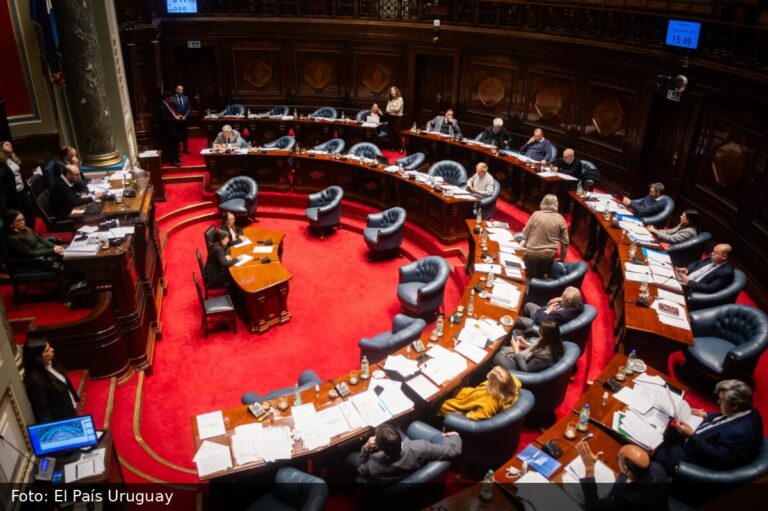
The Senate is moving toward approving the changes to the bill that authorizes funds for Casmu
The initiative won broad political backing after passing through the Chamber of Deputies, which imposed conditions on part of the money and set aside the most disputed article. Medical groups, by contrast, unanimously rejected the contribution required from the capitalizing doctors.

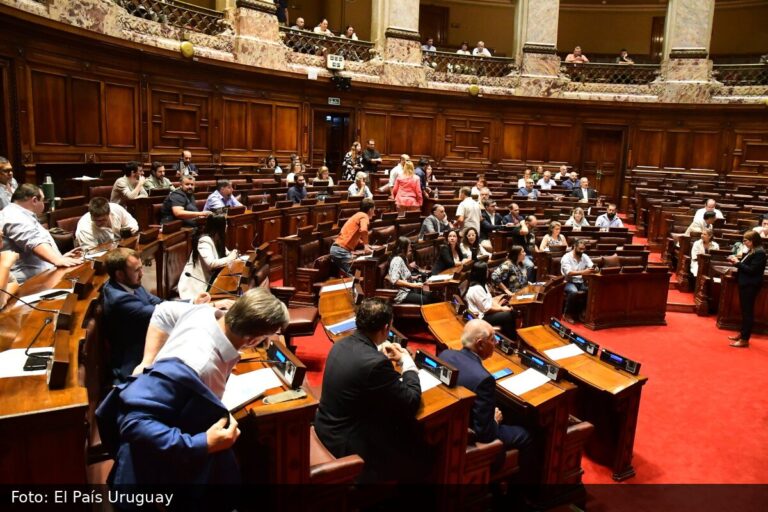
The Uruguayan Parliament is preparing to complete approval of the bill that authorizes Casmu to access the Guarantee Fund, amid a strong consensus between the governing coalition and the opposition on the need to sustain the institution’s viability, although with differences over the conditions.
According to Búsqueda, the government’s original proposal contemplated some US$ 122 million. In the Chamber of Deputies, where the Frente Amplio does not hold a majority, the opposition pushed for changes to release about 90% of that amount, around US$ 110 million, and leave the remaining 10% subject to the capitalizing doctors agreeing to contribute about US$ 10 million over four years.
In addition, the lower house added the obligation to send quarterly reports to the Legislative Branch on the provider’s situation and set aside for later analysis the article that had generated the most controversy. That point established that mutual insurance providers that turned to the fund had to submit the appointment of directors and managers to prior non-objection by the Ministry of Economy and Finance and the Ministry of Public Health.
According to Búsqueda, in the Senate the original bill had been unanimously backed as far as access to the fund was concerned, while the contested article received only the support of the governing coalition. After the changes introduced in the Chamber of Deputies, the upper house must limit itself to accepting or rejecting those amendments.
The debate once again exposed political differences. Officials defended the article on authorities on the grounds that it would strengthen oversight and require suitability, experience, honorability and the absence of conflicts of interest. The opposition, meanwhile, raised objections, arguing that it amounted to a targeted exclusion against specific figures linked to the mutual insurance provider.
Another part of the restructuring plan was also modified. According to Búsqueda, the opposition succeeded in removing the possibility of using those resources to pay off debts with para-banking creditors, which in Parliament were estimated at US$ 12 million.
The vote in the Chamber of Deputies ended with 93 votes in favor and two against, corresponding to lawmakers from Identidad Soberana, Búsqueda reported. Both governing coalition and opposition figures took it for granted that the Senate will ultimately ratify the changes.
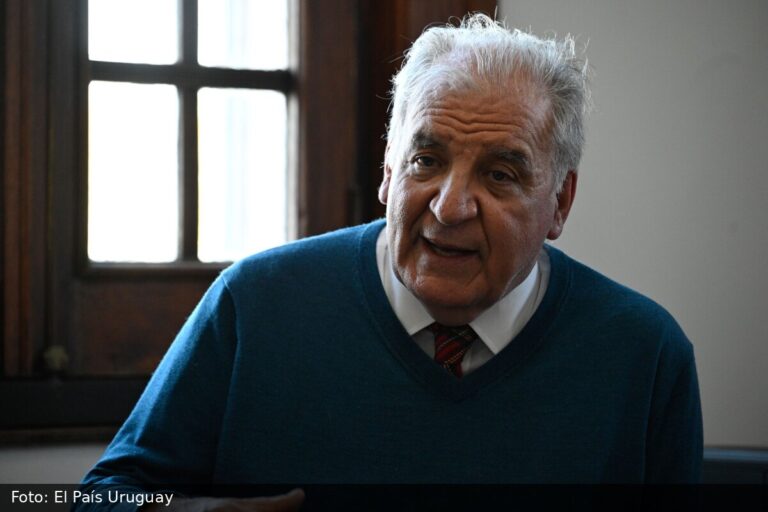
At Casmu, the agreement was closely followed. Raúl Rodríguez, president of the institution between 2019 and 2025 and current board member representing the minority, spoke positively about the outcome, although he questioned the capitalization requirement to release the final tranche of the funds. From the majority on the board, led by Domingo Beltramelli, there were no statements, Búsqueda added.
The point that generated total rejection was precisely the contribution required from the capitalizing doctors. Still according to Búsqueda, Médicos Unidos and Evolución Médica criticized it in harsh terms, and Fosalba, the majority faction in the Sindicato Médico del Uruguay, also spoke out against it. Ratification of that contribution will have to go through a Casmu assembly, tentatively scheduled between October and November.
Sources
About this note. Written by El Notero with assistance from artificial intelligence, based on what was published by the cited outlet. El Notero did not do its own reporting on this event.