World
Brazil’s government asked the Supreme Court to uphold the Bolsa Família increase
The Solicitor General’s Office told the STF that the 15.04% increase does not create a new benefit and only restores inflation losses. The dispute comes amid criticism over the timing, just before the election.

Brazil’s Solicitor General’s Office on Friday asked the Supreme Federal Court to recognize as constitutional the decree that raised Bolsa Família payments by 15.04%, according to O Globo.
The measure lifted the program’s minimum payment from 600 to 691 reais. The increase will take effect in October, with disbursements beginning on the 19th, between the first and second rounds of the election.
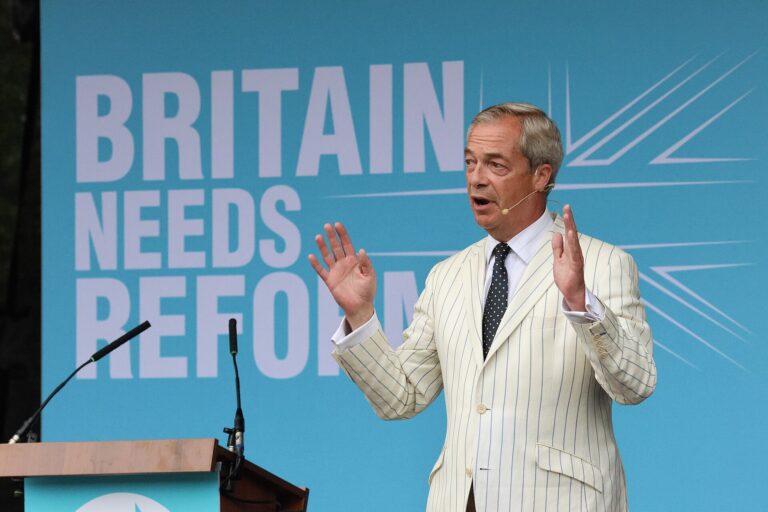
According to O Globo, the move came amid criticism of the government for adopting the measure only a few days before the first round. The report also cites a request by presidential candidate Renan Santos, of Missão, asking the Superior Electoral Court to suspend the increase on the grounds that it was driven by electoral purposes.
The Planning Ministry said the Bolsa Família increase will cost 5.8 billion reais in 2026 and will have an impact of nearly 23 billion reais on public accounts in 2027.
The government’s filing before the Supreme Court was submitted in a case in which the court had determined that, starting in 2022, Brazil should implement payments under the basic citizenship income program for people living in poverty and extreme poverty.
In June 2024, Justice Gilmar Mendes, the case’s rapporteur, had recognized Bolsa Família as a stage in the gradual implementation of that basic income policy and said its amounts are subject to periodic updates. One day before the decree was issued, the public defender’s office asked the Supreme Court to require the executive branch to address the pending update of the payments.
In its submission, the Solicitor General’s Office argued that the decree does not create a new benefit, add a new category of beneficiaries, change the legal eligibility criteria, or launch a new social program. Instead, it said, the measure preserves the real value of a permanent public policy by applying the accumulated variation of the INPC inflation index, without changing the legal framework of Bolsa Família.
The government also asked the court to acknowledge that the decree was issued in accordance with the constitutional and legal framework, and described the adjustment as part of the gradual implementation of measures aimed at reducing poverty, marginalization, and social and regional inequalities.
Sources
About this piece. Written by El Notero with AI assistance, from reporting published by the outlet cited above. El Notero did no original reporting on this story.