Uruguay
Orsi's speech at the UN sparked a strong dispute with the opposition in Uruguay
The president defended peace, multilateralism and dialogue before the United Nations. However, in Uruguayan politics, the controversy centered on his mention of the blockade on Cuba and the scope of the government's ties with the opposition.
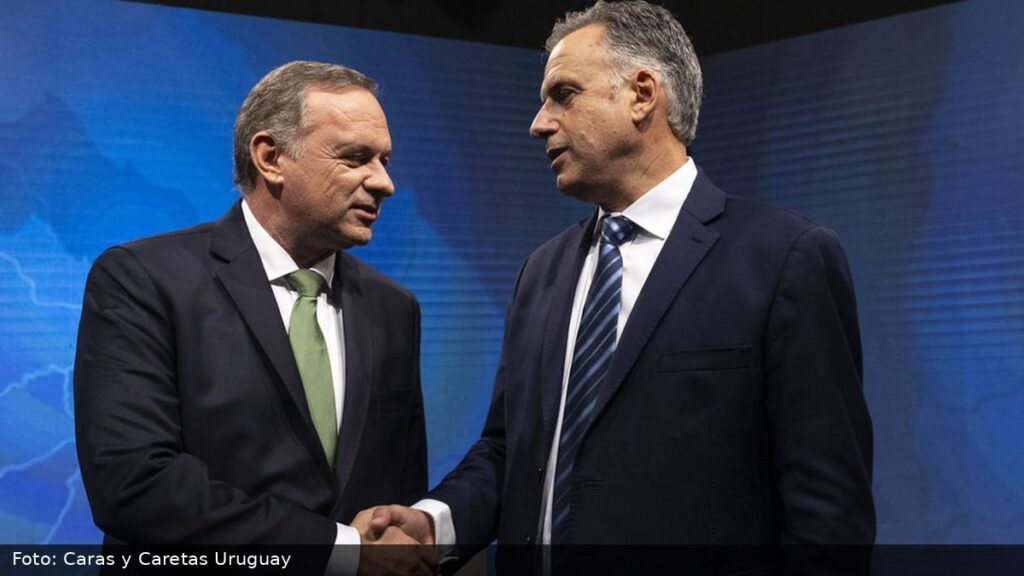
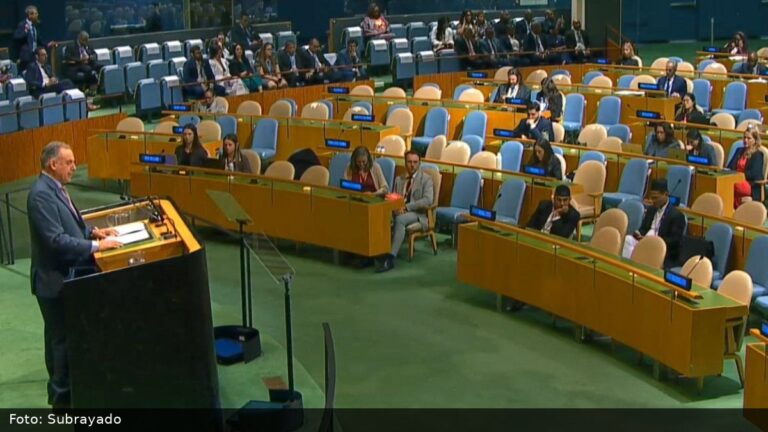
Yamandú Orsi addressed the UN General Assembly with a message centered on peace, dialogue, international law and multilateralism. In his remarks, he argued that peace should not be understood only as the absence of war, but as a permanent task to ensure dignified living conditions.
During the speech, the president also defended the role of the United Nations, backed Uruguay’s participation in peacekeeping missions and said that aligning with one side or another in a war does not necessarily help resolve conflicts. He also referred to wars, terrorism, organized crime, inequality, tyrannies, displacement and the impact of economic blockades, with a reference to the Cuban case.
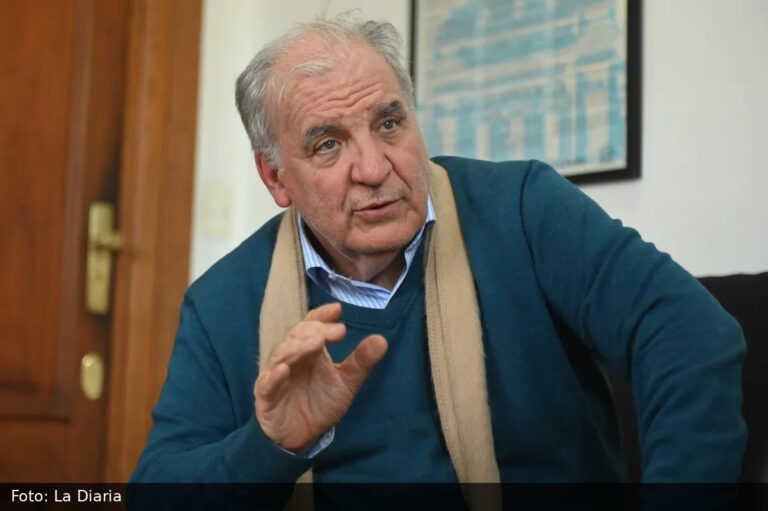
According to Caras y Caretas Uruguay, it was precisely that passage that drew much of the reaction in Uruguay. The president of the National Party Board, Álvaro Delgado, questioned the absence of references to democracy and free elections in Cuba, Nicaragua and Venezuela, despite what he said had been one of the proposals made by his party when the government called on the parties to exchange views on the country’s position before the United Nations.
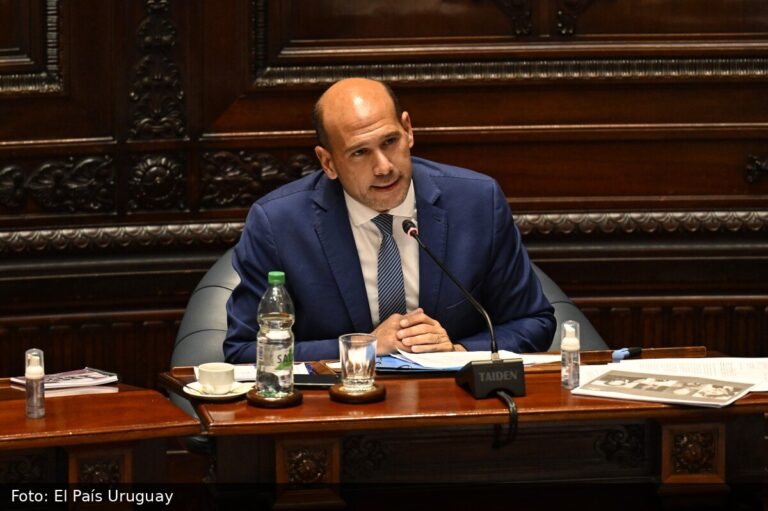
Still according to Caras y Caretas Uruguay, Delgado said that the aim of that meeting was to build a state foreign policy and criticized what he considered to be an outcome closer to the ruling party’s partisan position. In the same vein, Colorado Party senator Andrés Ojeda questioned the inclusion of the blockade against Cuba in the message and said Uruguay should prioritize issues such as investment and employment.
The controversy led Orsi to clarify, once back, that he had not spoken about the Cuban regime. According to Caras y Caretas Uruguay, the president explained that his reference was aimed at the effects of economic blockades, within a broader argument about negative signals in the international arena.
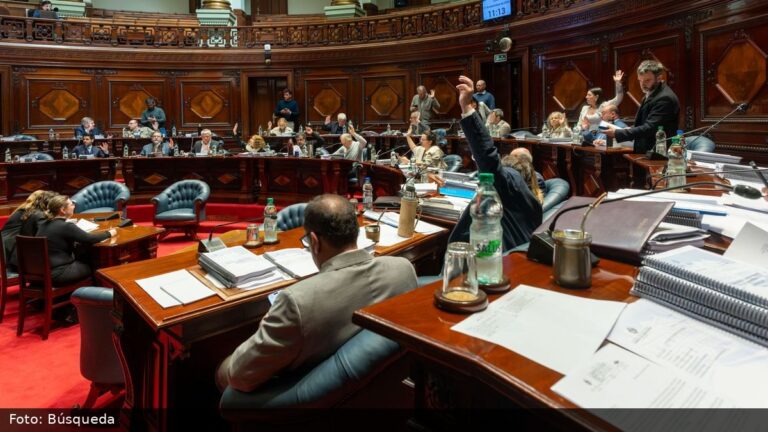
The episode also added a new political chapter. According to Caras y Caretas Uruguay, Independent Party lawmaker Gerardo Sotelo called on the opposition to distance itself from the president and for the Republican Coalition to maintain with Orsi only the ties provided for in the Constitution, in criticism of the dialogue initiatives promoted by the government.
Sources
About this note. Written by El Notero with assistance from artificial intelligence, based on what was published by the cited outlet. El Notero did not conduct its own reporting on this event.