Uruguay
Arim Defended Expanding Transfers to Children and Questioned Requirements on Poor Households
The OPP director backed the creation of a unified system of aid for children and adolescents and said there is a bias in imposing more conditions on lower-income sectors. He also said the new scheme will have a significant impact once it is fully implemented.
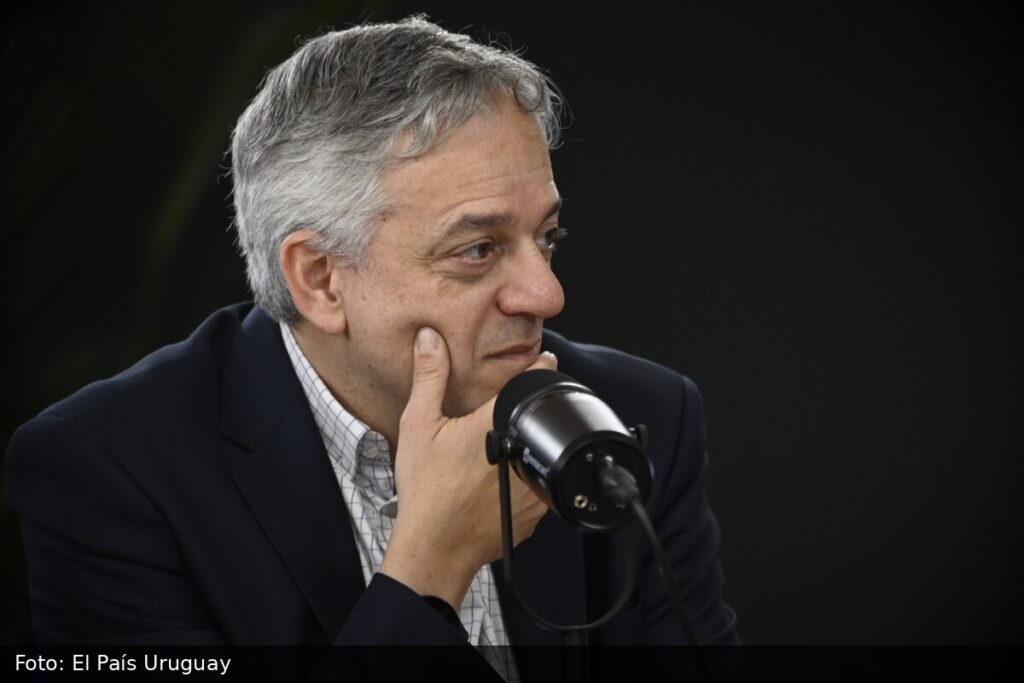
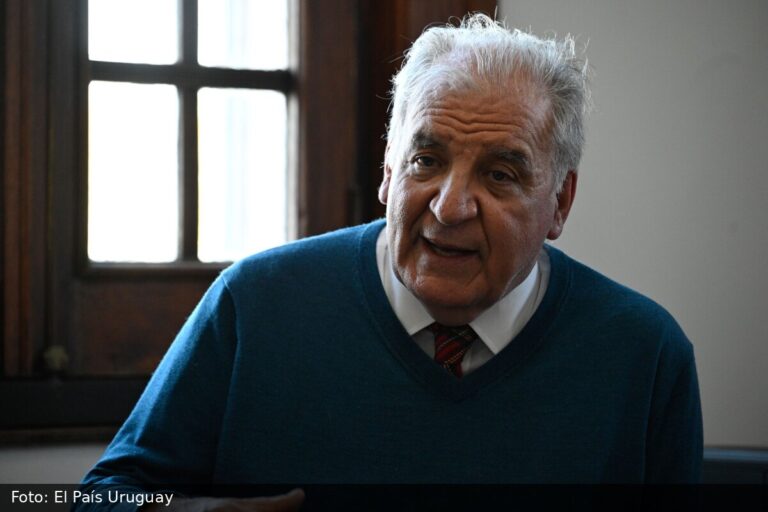
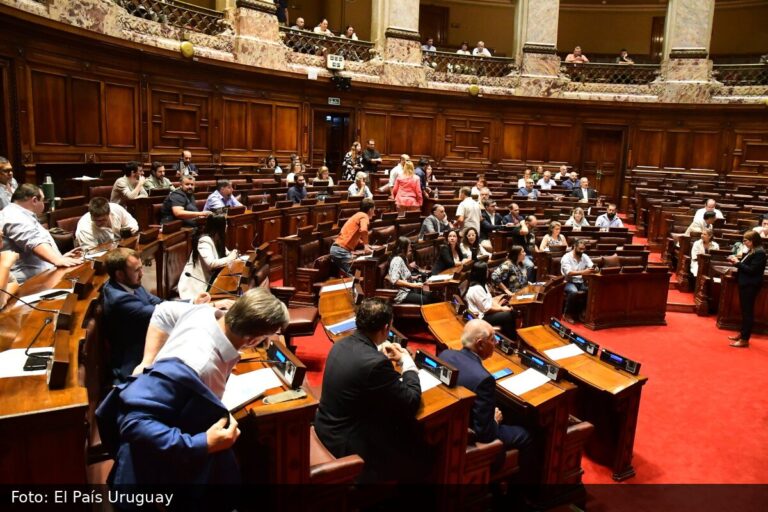
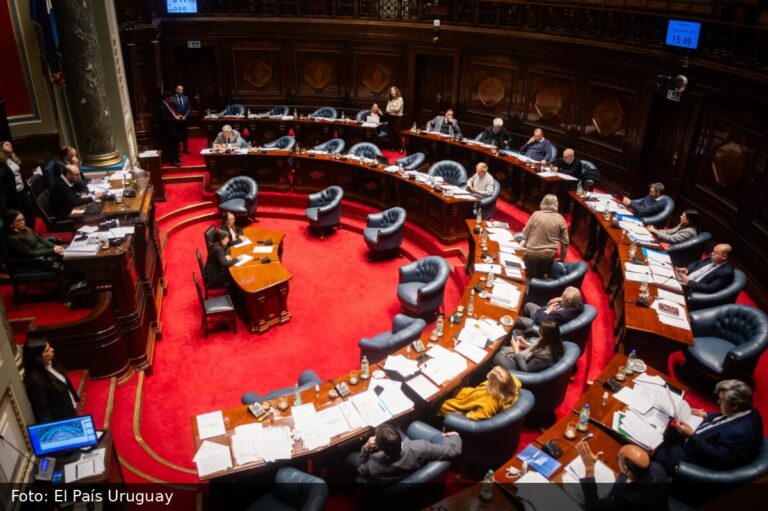
The director of the Office of Planning and Budget, Rodrigo Arim, defended the government plan included in the Rendición de Cuentas to unify and increase cash transfers to households with children living in poverty, an initiative that has already been approved in the Chamber of Deputies and will now move to the Senate, where the ruling coalition has its own majority.
According to El País, the bill aims to reduce child poverty and was unblocked in the lower house following an agreement between President Yamandú Orsi and Cabildo Abierto. In that framework, the Single Allowance for Children and Adolescents will maintain counterperformance requirements, such as regular school attendance by beneficiaries.
Arim said that, in his view, Uruguay should have transfer mechanisms aimed at households with girls and boys without conditions. Even so, he valued the political understanding reached and said the approved text still represents an important step forward. In the original version, a 20% cut in the benefit was contemplated in the event of noncompliance, but the agreement with Cabildo Abierto raised that percentage to 40%.
The official stressed that, if the initiative is confirmed, as of January 1, 2027 the country will begin to have a single, integrated system of transfers for children. He also said it will be a simpler and more transparent scheme than the current one, now split across four different policies.
During the interview cited by El País, Arim questioned what he defined as a “bias” toward poor sectors. To explain it, he compared the requirements imposed on lower-income households with the tax treatment received by mothers and fathers of children under 17 when filing IRPF, where they are not required to provide equivalent proof regarding their children’s schooling.
In that line, he said there is a harsher view of poor families and stated that international evidence shows transfers are usually used to improve the household’s well-being, although he acknowledged that there may be isolated cases of improper use, as also happens in other areas of public policy.
On how these benefits will be paid, he said that point will be defined in the regulation of the law. According to what was published by El País, the idea is to move toward a card that allows VAT to be deducted when making purchases and, at the same time, overcome limitations such as those of the current Tarjeta Uruguay Social, which restricts purchases to certain categories. Arim added that the instrument will need enough flexibility to allow cash withdrawals in some cases.
The OPP director also warned that the effect on child poverty will not be immediate, although he considered that once fully rolled out, the impact will be significant.
Sources
About this note. Written by El Notero with assistance from artificial intelligence, based on what was published by the cited outlet. El Notero did not conduct its own reporting on this event.