World
Guardian column says Russia’s vote is staged to preserve Putin’s power and warns of broader democratic erosion
The opinion piece argues that Russia’s parliamentary election is meant to maintain Vladimir Putin’s control rather than test public support. It also draws parallels with trends of institutional distrust and populist cynicism in Britain and the United States.
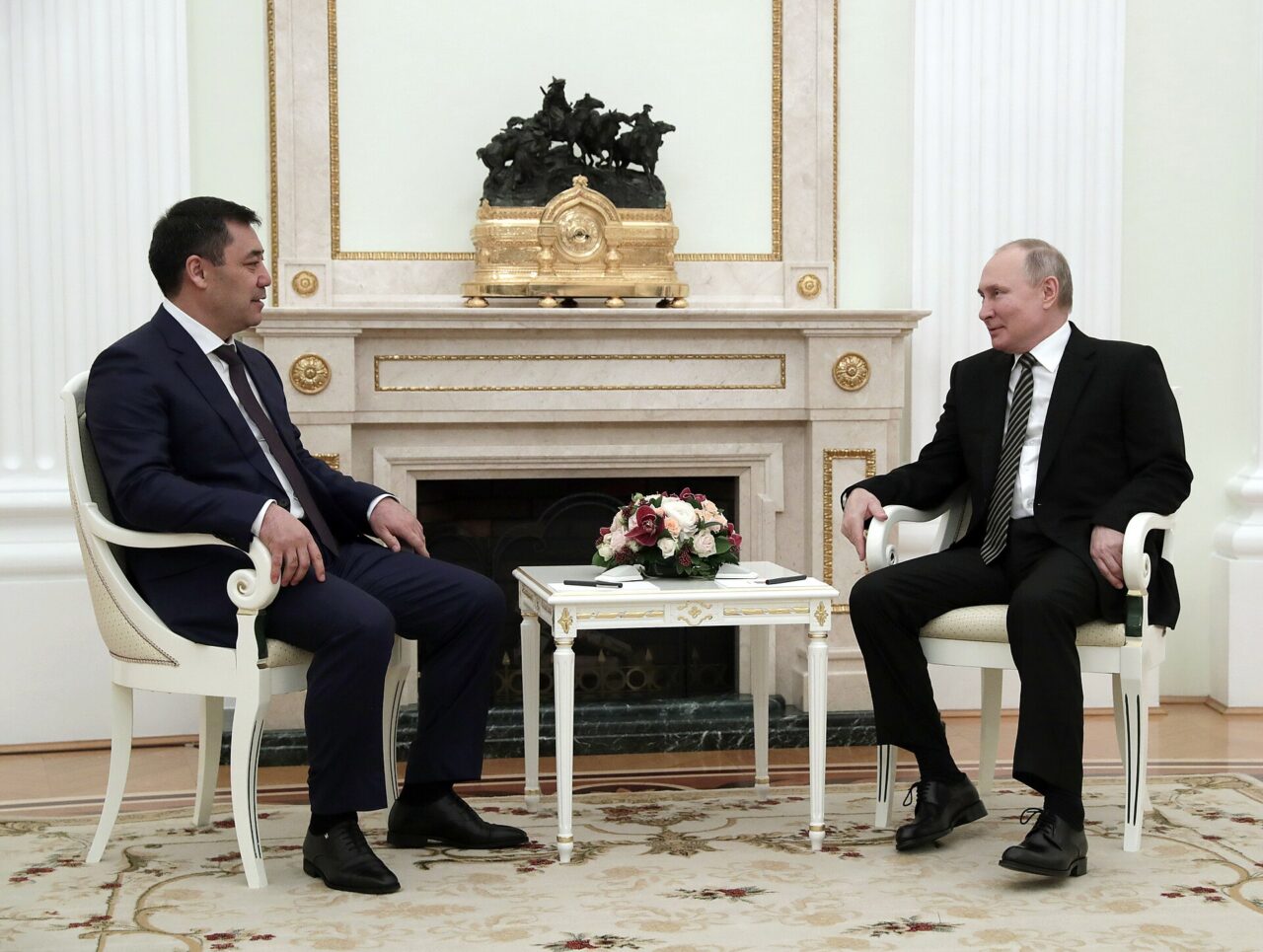
An opinion column in The Guardian argues that Russia’s parliamentary election is structured to preserve Vladimir Putin’s authority and keep United Russia in control of the Duma, rather than serve as a genuinely competitive democratic contest.
In Rafael Behr’s account, the system leaves room for other Kremlin-approved parties that function as licensed opposition, helping sustain an appearance of pluralism. He argues that the authorities still need the outcome to look believable, because fraud that is too blatant would signal insecurity as much as strength.
The column ties that political setting to the strain of the war in Ukraine. It says the idea of a short campaign can no longer be maintained and describes the conflict as being in its fifth year. It also points to Ukrainian drone and missile strikes far from the frontline, saying they have made the war visible in daily life and in economic disruption.
According to The Guardian, repression is a better measure of dissent than polling in an authoritarian system. In that context, the piece says the liberal party Yabloko was barred from the election after campaigning under the slogan Peace and freedom, which the columnist presents as an effort to shut down the only available anti-war electoral banner.
Behr describes the overall model as managed democracy: a system that mixes coercion, tactical concessions and controlled public participation to legitimize power without allowing real political freedom. In his reading, Putin’s position also rests on memories of the post-Soviet period and on a promise of order in contrast with chaos.
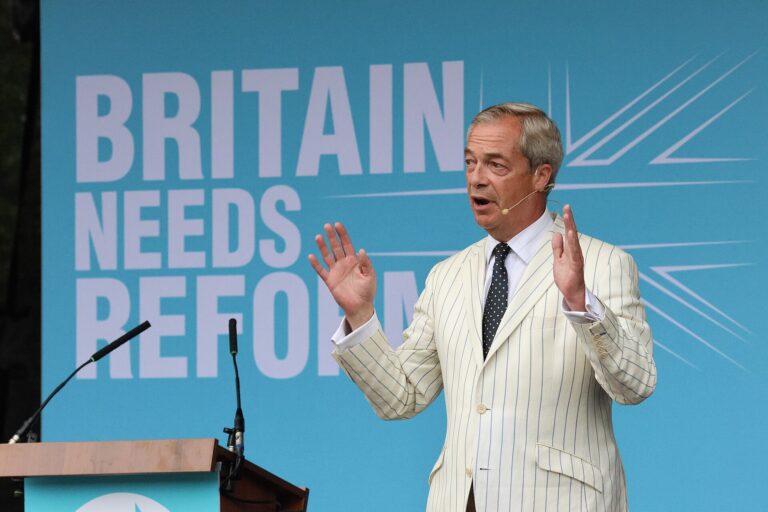
The column then broadens the argument to established democracies. It mentions Donald Trump in the United States and Reform UK in Britain as examples of political movements that thrive on national grievance, distrust of institutions and the appeal of strong leadership. On Britain, The Guardian also references remarks by Nigel Farage about using a declared national emergency to push through a radical agenda without accepting objections from parliament, the courts or Whitehall.
The central warning in the piece is that democratic decay does not begin with the formal cancellation of elections, but with a slower hollowing out of trust in institutions, public contempt for constraints on power and a corrosive political cynicism. The column concludes that British democracy is stronger and more deeply rooted than Russia’s system, but not immune to those pressures.
Sources
About this piece. Written by El Notero with AI assistance, from reporting published by the outlet cited above. El Notero did no original reporting on this story.