Miami
Study Warns Trump Pricing Policy Could Make Medicines More Expensive and Delay Therapies in Europe
A study published in The Lancet analyzed the impact of the initiative Washington is using to lower drug costs in the United States. According to the paper, the measure could push pharmaceutical companies to raise prices or delay launches in other markets, including the European Union.
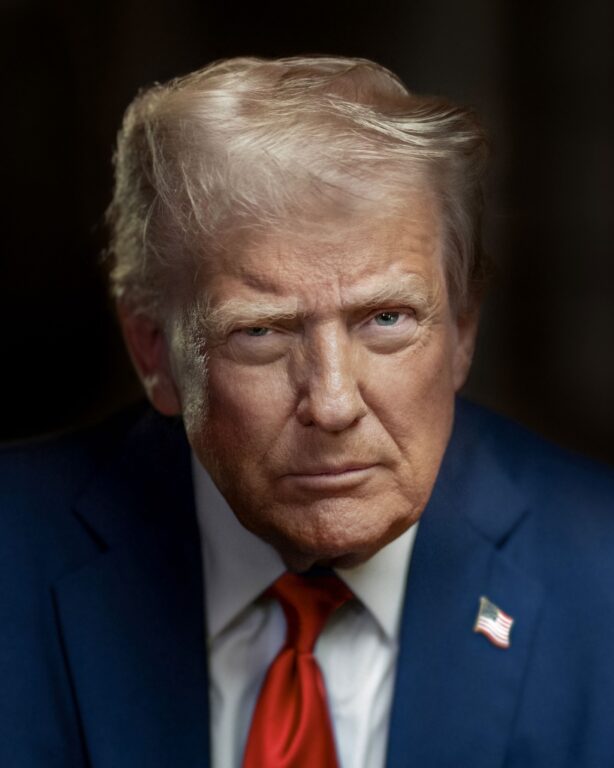
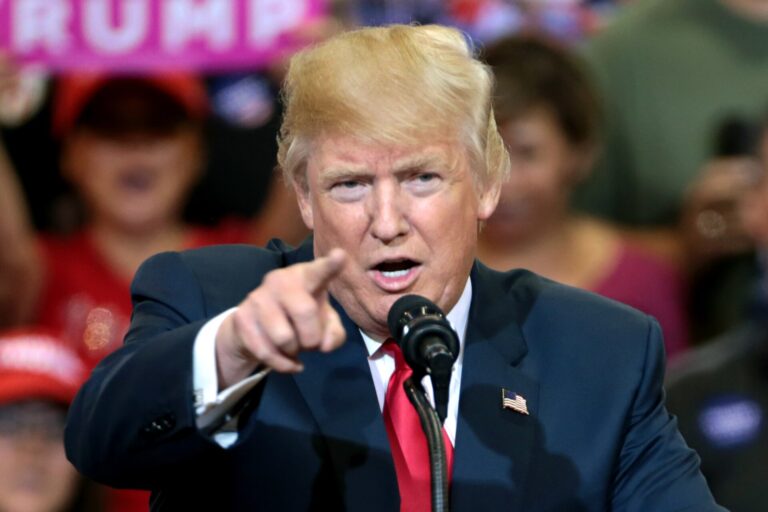
An investigation published by The Lancet warned about the possible international consequences of the policy promoted by Donald Trump to reduce the price of medicines in the United States. According to El País, the study argues that the strategy could alter the global pharmaceutical market, push companies to raise prices in other countries and delay the arrival of new treatments there.
The initiative, known as the “most favored nation” policy, uses as a reference the prices Medicare pays for each drug compared with those in selected developed countries. According to the study, if Medicare pays more than those comparable markets, pharmaceutical companies would have to return the difference to the U.S. government through additional rebates.
The study, prepared by specialists from institutions such as the London School of Economics and the universities of Harvard and Zürich, analyzed 195 patented medicines on which Medicare spends nearly 76,000 million euros a year within the GLOBE and GUARD purchasing systems. The authors estimate that the bill could fall between 16% and 18% in an initial phase and that savings could then triple over five years.
But the same paper warns of a side effect. In three out of every four medicines studied, the rebates companies would have to make to Medicare would be, according to the authors, about 3.8 times higher than what they obtain from annual sales in the reference country chosen in each case. For the researchers, that creates a strong incentive to raise prices in those markets or to stop marketing some products there altogether.
Kerstin Noëlle Vokinger, one of the authors of the study and a member of the University of Zürich, warned that U.S. decisions can have repercussions on access to medicines worldwide. According to El País, she also argued that policymakers should avoid delaying the availability of important medicines.
Among the experts consulted by that newspaper, Jaume Puig Junoy said the research provides useful evidence on how a low price in a small market can generate for a pharmaceutical company a much larger loss in the United States, which increases incentives to delay launches, raise prices or apply confidential discounts. At the same time, he noted that the measure could harm other countries without translating into a major benefit for Medicare, depending on the reaction of companies and reference health systems.
Regarding Spain, Jaime Espín considered a possible delay in the launch of some drugs foreseeable, as well as attempts to raise prices, although he said those increases could be softened with financial instruments and confidentiality clauses in contracts. Beatriz González López-Valcárcel, by contrast, said she does not yet see tangible consequences in a generalized way and mentioned the possibility that some governments try to stop being comparable for the United States by changing presentations and packaging.
From Spain’s Ministry of Health, the director general of Pharmacy, César Hernández, acknowledged that the pressure stemming from Trump’s policies is real in the relationship with the industry. However, he said that so far he has only detected a certain slowdown in some commercial proposals, in a context of waiting until the concrete consequences of U.S. policy become clear. He also rejected the idea that Europe pays too little for medicines and said there are no reasons to apply general or automatic price increases in Spain.
Sources
About this note. Written by El Notero with the assistance of artificial intelligence, based on what was published by the cited outlet. El Notero did not conduct its own reporting on this event.