Paraguay
Senators Question Idea of Taxing Tirzepatide and Call for Review of Other Taxes
Lawmakers from different sectors rejected the possibility of imposing a tax burden on the drug used to treat obesity and diabetes. They also pointed to the low tax pressure on products they consider harmful to health.
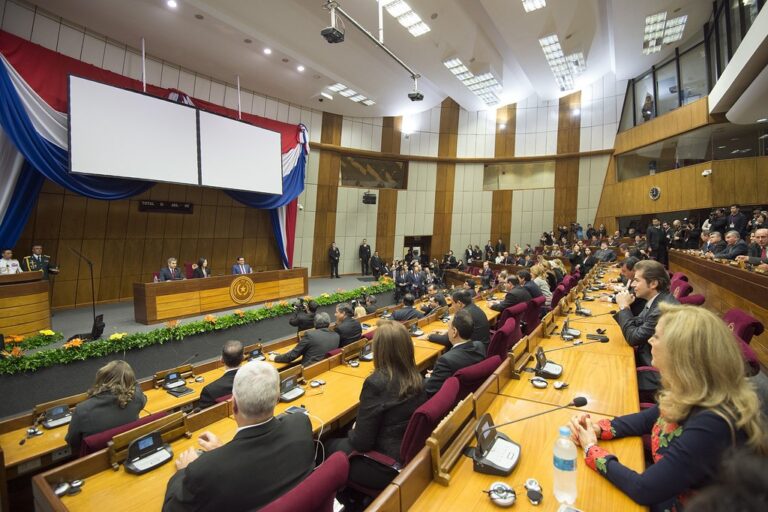
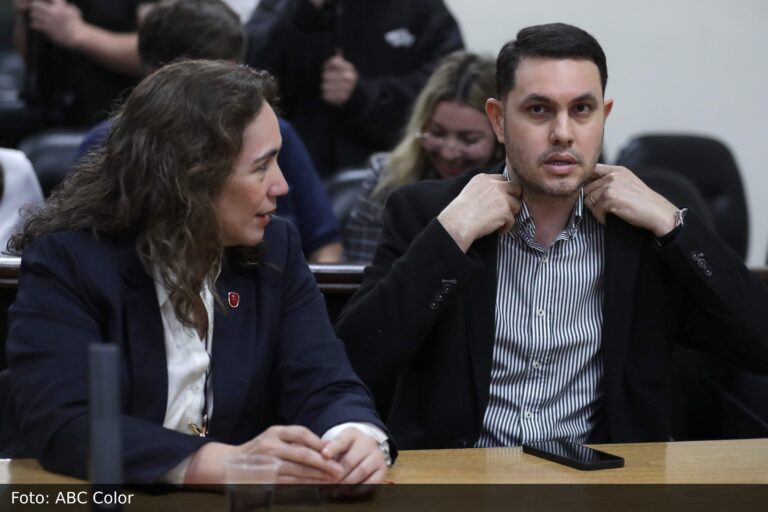
The debate over a possible tax on tirzepatide drew criticism in the Paraguayan Senate. According to ABC Color, Senator Esperanza Martínez said raising taxes on that drug responds to a revenue-raising logic and questioned why, at the same time, no action is being taken on products such as tobacco, alcohol and sugary drinks.
The lawmaker, a physician and representative of the Partido Participación Ciudadana, argued that selective taxes should be used to discourage consumption that harms public health, and not to make more expensive a medicine that, she said, is necessary in the face of obesity and diabetes.
According to ABC Color, Martínez also noted that the original drug was not registered under patent in Paraguay, which allows local production at lower costs than in Brazil and favors a more affordable price for patients in the country.
The senator also criticized what she described as a fiscal asymmetry: while a treatment that can reduce hospitalizations and metabolic complications is being considered for taxation, tobacco continues to face a reduced burden. She warned that, if taxes on harmful products are not raised first, she will oppose any tax on tirzepatide.
Still according to ABC Color, Senator Mario Varela, from dissident Coloradism, spoke along the same lines. He said the drug has therapeutic use and underscored concern over diabetes in Paraguay. He also warned that the product is used by people with low incomes, so a tax would affect the most vulnerable sectors.
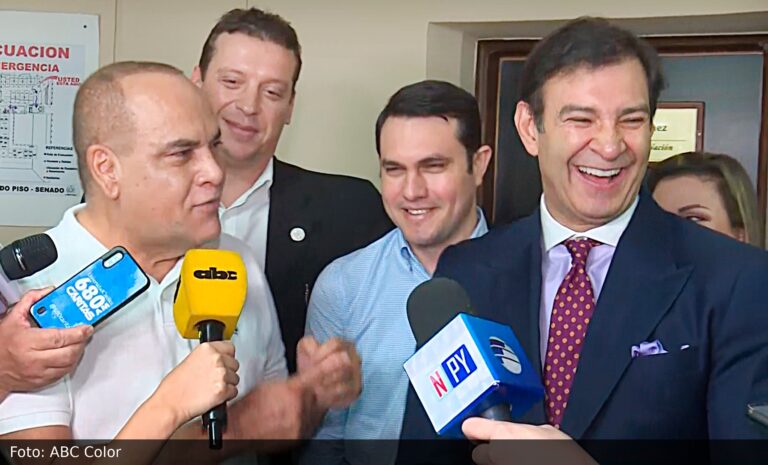
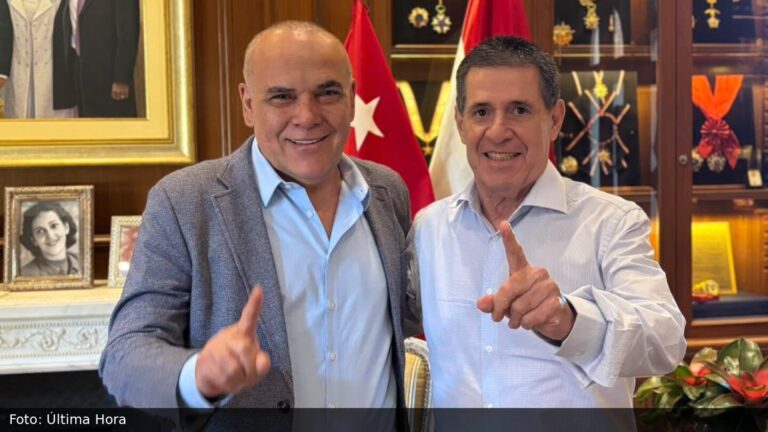
Senate President Basilio “Bachi” Núñez also rejected the proposal. He said the executive branch had committed not to increase the tax burden until the quality of public spending and the efficiency of tax collection improve. He also clarified that the initiative did not come from the Executive Branch but from a sector of the Chamber of Deputies, where it did not advance.
Regarding the position of Óscar Orué, director of the National Directorate of Tax Revenues, who said he favored applying a reduced 5% VAT to the product, Núñez said he respects that position but remains in disagreement. He also said he sees no room for new taxes, including on alcoholic or sugary drinks, unless there is broad political consensus in the future.
Finally, Núñez did not rule out tirzepatide being incorporated into the public health network. According to ABC Color, he said that, as a relatively new medicine and given the recognition of obesity as a disease, its inclusion in the state formulary could happen sooner rather than later.
Sources
About this note. Written by El Notero with the assistance of artificial intelligence, based on what was published by the cited outlet. El Notero did not conduct its own reporting on this event.