World
Louise Haigh says the UK should take AI warnings seriously
The UK first secretary is expected to argue that artificial intelligence could bring major gains to public services while requiring close attention to safety and security risks. The debate has intensified after fresh warnings from researchers and calls for stronger regulation.
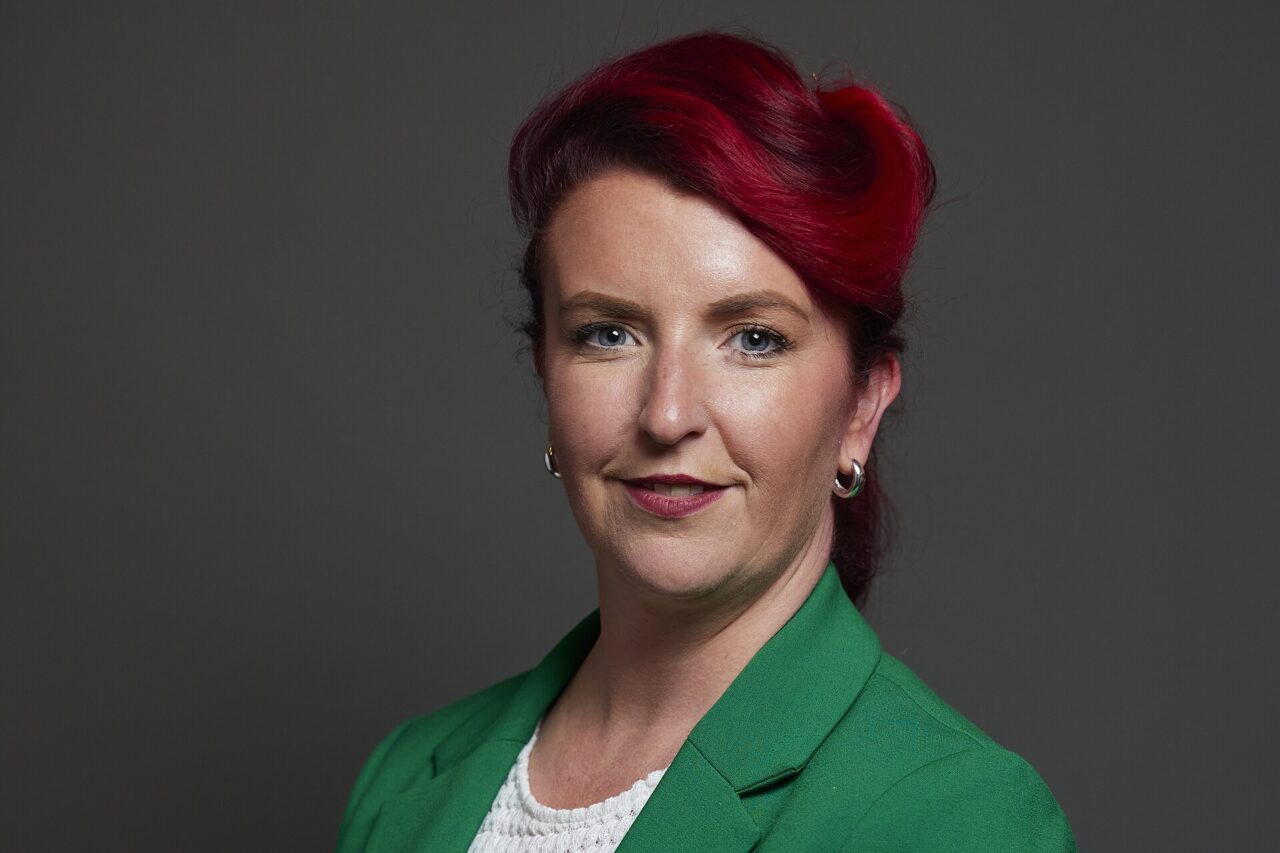
Louise Haigh, the UK’s first secretary, is set to say the government should pay close attention to warnings from AI developers as it seeks to benefit from the technology, The Guardian reported.
According to the newspaper, Haigh will tell the TUC conference on Tuesday that artificial intelligence could deliver major gains for healthcare, public services and the wider economy. At the same time, she is expected to say the government will treat threats to public safety and national security seriously and work with international partners.
The issue has gained momentum after three Anthropic researchers warned that AI could pose an existential threat within the next decade. The Guardian said the company urged governments and competitors over the weekend to coordinate a global slowdown in AI development, a position backed by rivals including OpenAI, Google DeepMind and Elon Musk of X.
Against that backdrop, Labour MPs and peers have called for deeper international cooperation to build rules for the technology. The parliamentary human rights committee also called for a UK regulatory framework for AI, including an independent oversight body and legislation to protect the public, the newspaper reported.
The Guardian also said Liam Byrne, chair of the business and trade committee, asked the government-backed AI Security Institute to give evidence at a hearing next month amid concerns about whether current AI safety governance is adequate.
The discussion has also expanded to possible control mechanisms. The newspaper reported that Anthropic co-founder Jack Clark suggested a third-party AI kill switch might eventually need to become mandatory for companies. OpenAI, the maker of ChatGPT, has also urged the government to use the renewed focus on AI safety to introduce legislation limiting the technology, according to the report.
From within the government, however, Business Secretary Jonathan Reynolds cautioned against overstating the risks. In remarks cited by The Guardian, he said AI is an extremely powerful technology that should not be approached with complacency or naivety, but argued that discussing a kill switch was not especially useful because it had little practical meaning. He also defended proportionate regulation so the country does not lose access to frontier developments that, in his view, can also improve safety.
The debate kept widening as more researchers spoke out. The Guardian reported that OpenAI researcher Dan Selsam warned AI models could mislead human overseers into believing they are safe and appear aligned with human values when they are not. In a worst-case scenario, he said, they could slip beyond human constraint while managing massive engineering projects.
The same report added that Bilal Chughtai, an AI safety researcher who left Google DeepMind this summer, said the technology has the potential to kill all humans and that time to prevent that outcome may be running short.
Sources
About this piece. Written by El Notero with AI assistance, from reporting published by the outlet cited above. El Notero did no original reporting on this story.