Miami
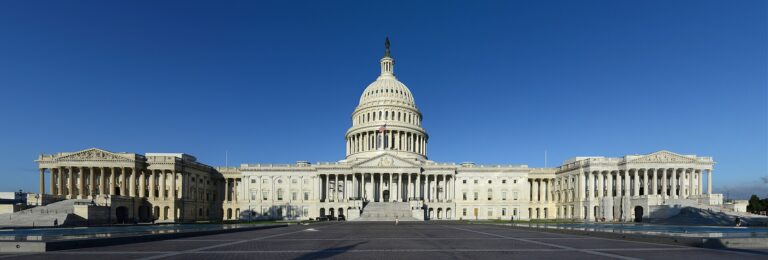
U.S. Supreme Court keeps mail voting rule on hold as another election case reaches the justices
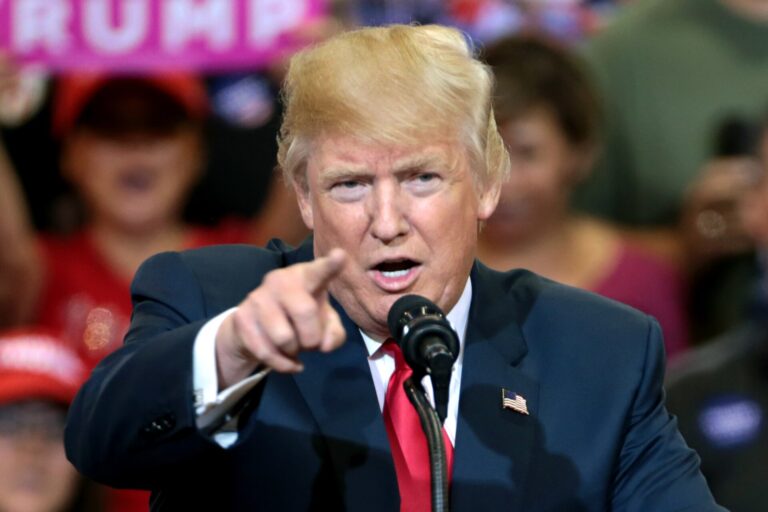
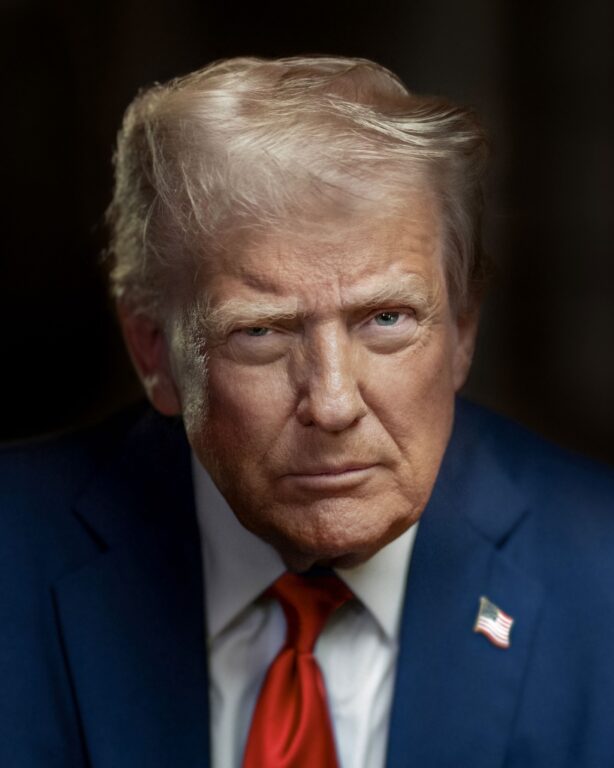
The court left in place a lower-court ruling blocking parts of a Postal Service regulation tied to mail voting. At the same time, Donald Trump’s administration asked to use a federal database to identify noncitizens on state voter rolls.

The U.S. Supreme Court on Monday turned down a request from Donald Trump’s administration to pause a district court ruling that bars enforcement of parts of a new U.S. Postal Service rule affecting mail voting, according to SCOTUSblog. The order leaves in place a decision by a federal judge in Boston blocking elements of the regulation.
SCOTUSblog reported that the order was brief and unsigned. Justice Brett Kavanaugh filed a concurring opinion, while Justice Samuel Alito dissented, joined by Justice Clarence Thomas.
The mail voting dispute is not the only election-related matter now before the justices. SCOTUSblog also reported that the Trump administration asked the court to let it use the Department of Homeland Security’s Systematic Alien Verification for Entitlements database to identify noncitizens on state voter rolls. A response to that request was due Tuesday by 4 p.m. EDT.
Before the Supreme Court acted in the Postal Service case, Reuters reported that a second federal judge had also halted new USPS restrictions. Late Sunday, U.S. District Judge Carl Nichols granted a preliminary injunction sought by the Democratic Party and groups including the NAACP. Reuters said Nichols found that the rule could make mail voting harder for some people and went beyond the Postal Service’s authority.
Separately, The Washington Post reported that a wave of high-stakes election litigation has been reaching the Supreme Court through its emergency docket, with more rulings and disputes still to come. Legal experts cited by the newspaper said the volume of cases is already above historical norms for a midterm election and warned that the litigation surge could add to distrust and confusion around the electoral process.
In the same newsletter, SCOTUSblog also took a closer look at Clarence Gideon, the plaintiff in Gideon v. Wainwright, the 1963 case that established that indigent defendants accused of serious crimes have a constitutional right to court-appointed counsel in state court under the Sixth and 14th Amendments.
Gideon was arrested in 1961 for breaking and entering the Bar Harbor Poolroom in Panama City, Florida. At trial, he asked for appointed counsel, but the judge denied the request. After representing himself, he was convicted and sentenced to five years in prison. He later appealed to the U.S. Supreme Court, which agreed to hear the case in 1962 and appointed Abe Fortas to represent him.
In March 1963, the court unanimously ruled for Gideon. Writing for the court, Justice Hugo Black said lawyers in criminal courts are necessities, not luxuries. At Gideon’s retrial, this time with legal representation, a jury found him not guilty.
Sources
About this piece. Written by El Notero with AI assistance, from reporting published by the outlet cited above. El Notero did no original reporting on this story.