World
Free transportation to polling stations in Brazil can be requested until Monday
The measure covers voters with disabilities or reduced mobility, as well as people living in Indigenous territories, quilombola communities and remote rural areas. Applications must be filed before election day, either online or at electoral offices.
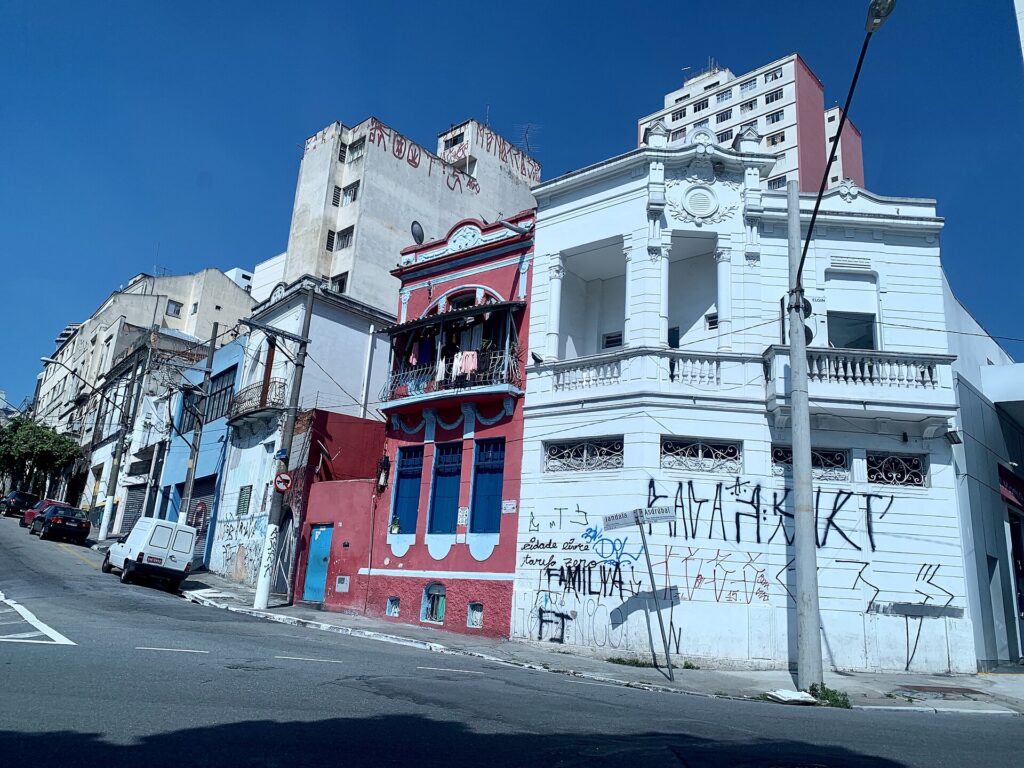
Voters with disabilities or reduced mobility in Brazil, along with people living in Indigenous territories, quilombola communities or rural areas located at least 2 kilometers from their polling place, can request free transportation for the first round of the elections. According to O Globo, the deadline to apply is Monday the 14th.
The service is intended for people who face mobility barriers, cannot use regular public transportation or have no way to reach their polling station on their own. Requests can be submitted through each state’s Electoral Justice website or directly at local electoral offices, but they cannot be made on election day.
According to O Globo, the transportation is adapted and may take voters from their homes to the place where they cast their ballots. The service is organized by the Regional Electoral Courts in partnership with municipalities. In some cities, adapted vehicles will pick voters up at their residences. In São Paulo, the service will be available in about half of the state’s municipalities.
During registration, voters must report whether transportation is available near their homes, describe their mobility limitation and provide other details needed to arrange the service. Anyone who needs a companion or a guide dog must also state that in the application form.
Electoral authorities warned that transportation arranged by parties or candidates for the purpose of buying votes is an electoral crime and is expressly forbidden. The official program is meant to ensure that people with mobility difficulties can exercise their right to vote.
In that context, O Globo quoted Marcelo Ares, medical coordinator at AACD, saying that providing adequate conditions for movement is also a way of respecting people with disabilities as citizens. The newspaper also cited Elisa Moreira, a senior training analyst at AACD, who said she did not vote in the last election because it was raining and she had no safe way to reach her polling station. She now plans to vote and stressed the importance of the service in expanding the participation of people with disabilities in society.
Sources
About this piece. Written by El Notero with AI assistance, from reporting published by the outlet cited above. El Notero did no original reporting on this story.