Miami
Florida starts the year with new lobbying limits, toll credits and insurance changes
A batch of Florida laws and policy changes takes effect in January after approval by lawmakers and Gov. Ron DeSantis. The measures cover lobbying, toll roads, property insurance, housing, courts and newborn health screenings.
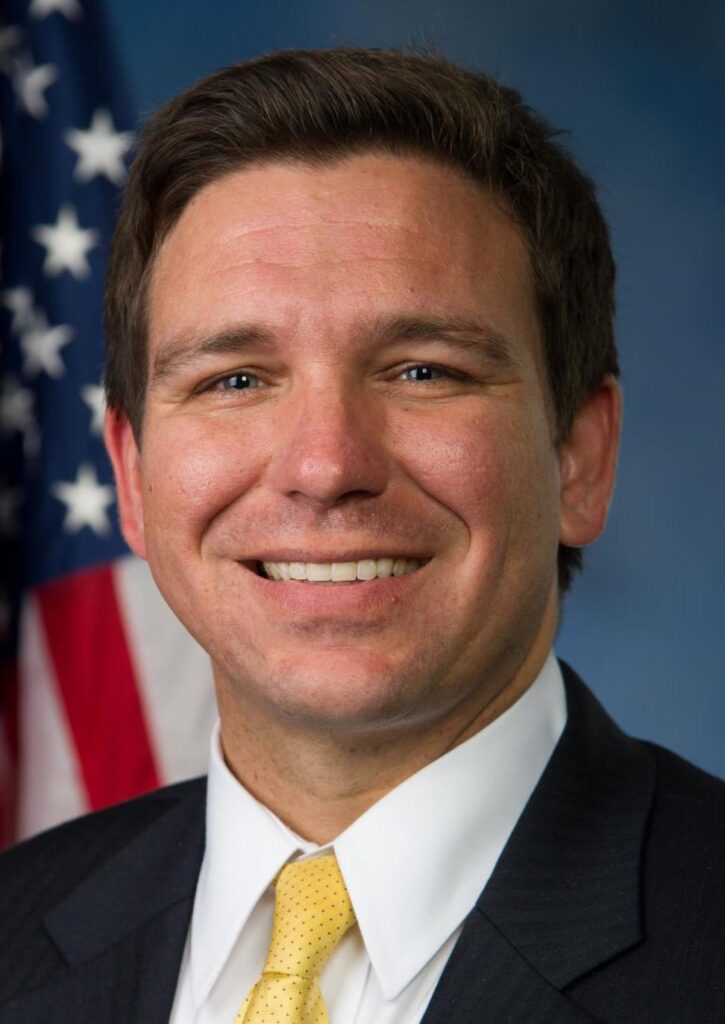
Florida is ushering in a new set of laws and policy changes in January, including tougher lobbying restrictions, toll-road credits for frequent drivers and revisions affecting the property-insurance system, WLRN reported.
One of the changes implements a 2018 constitutional amendment that extended from two years to six years the waiting period before certain former officials can become lobbyists. The restriction applies to lawmakers, heads of state agencies, judges and many local officials.
Another measure will provide 50% credits to motorists who log 35 or more toll-road trips in a month. The program will run for one year, and lawmakers agreed to spend $500 million to help toll agencies offset lost revenue.
On disaster assistance, property-tax rebates will be available when residential properties are left uninhabitable for 30 days. WLRN reported that, during a December special session, lawmakers also approved similar relief for property owners whose buildings were damaged by Hurricane Ian and Hurricane Nicole. Applications can be filed with county property appraisers from Jan. 1 through April 1.
Part of the state budget also releases $300 million within the Department of Agriculture and Consumer Services for land acquisition.
A separate law allows local governments to publish legal notices on county websites instead of in newspapers. In counties with fewer than 160,000 residents, local officials must first hold public hearings to determine whether residents have sufficient internet access.
In property insurance, the state will end the practice known as assignment of benefits for policies issued on or after Jan. 1. Under that system, homeowners signed over claims to contractors, who then sought payment from insurers.
January will also bring an average 8.4% reduction in workers’ compensation insurance rates, the sixth consecutive year of average decreases.
Florida’s appellate court system will be reworked with the creation of a 6th District Court of Appeal and revised jurisdictions for the 1st, 2nd and 5th district courts.
Another law taking effect is Miya’s Law, which requires apartment landlords to run background checks on all employees. The measure followed the death of 19-year-old Valencia College student Miya Marcano, who disappeared from her Orlando apartment in September last year and was found dead a week later, according to WLRN.
In education, a training program must be available starting Jan. 1 for school librarians, media specialists and others involved in choosing school library materials. The measure is intended in part to ensure access to age-appropriate materials and library resources.
Finally, hospitals and other state-licensed birthing facilities will be required to test newborns for congenital cytomegalovirus if the infants fail hearing tests.
Sources
About this piece. Written by El Notero with AI assistance, from reporting published by the outlet cited above. El Notero did no original reporting on this story.