World
Scotland, Wales and Northern Ireland seal political agreement on self-determination
Leaders of the three nations signed a document in Cardiff to coordinate actions and urge London not to block possible constitutional changes. The understanding does not unify strategies, but it strengthens cooperation among independence and nationalist forces.
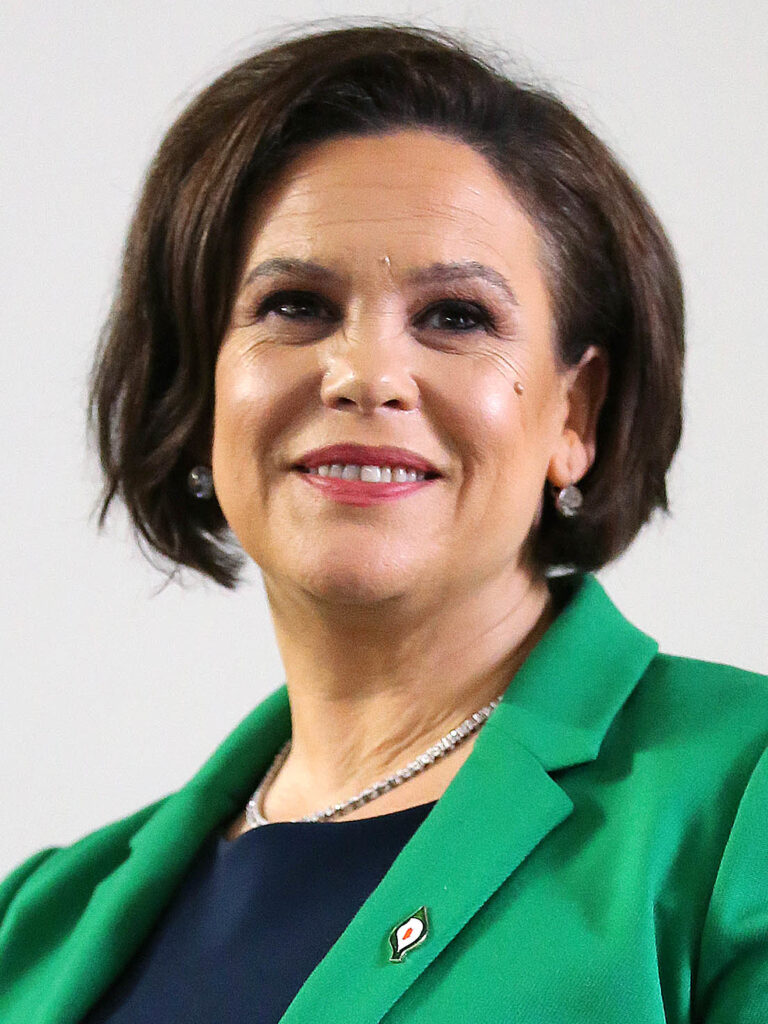
Political leaders from Scotland, Wales and Northern Ireland signed a joint agreement in Cardiff in defense of self-determination and called on Westminster not to obstruct future democratic processes. According to iProfesional, the document was signed by John Swinney, Rhun ap Iorwerth and Michelle O’Neill, who took part on behalf of their parties and not the regional governments.
The text states that each nation must be able to decide its future and argues that the British Parliament should not place obstacles in that path. It also includes shared goals, such as promoting a “stronger and fairer” economy, greater use of domestic energy resources and a political orientation closer to Europe, with the idea that the future of those nations is linked to the European Union.
The understanding does not set a single mechanism for leaving the United Kingdom. Each force maintains its own strategy and timing. According to Crónica, in Scotland the SNP is pushing for a new independence referendum, Plaid Cymru is proposing to expand territorial powers in Wales and Sinn Féin is focusing its claim on the reunification of Ireland.
The signatories described the current context as a key moment in the constitutional trajectory of the United Kingdom and asked London to prepare to facilitate possible changes in each jurisdiction. In that line, they said that what they share is the decision to make the voices of their nations heard, even with differences in their constitutional positions.
iProfesional also noted that the agreement received the backing of Mary Lou McDonald, president of Sinn Féin, who described it as a historic event and defended the right of those peoples to decide their future.
The main limit for these proposals remains the existing constitutional framework. The nations that make up the United Kingdom cannot on their own call an independence referendum or move toward secession without authorization from London. In 2022, iProfesional recalled, the Supreme Court unanimously rejected an appeal by the Edinburgh government and ruled that Scotland did not have the authority to organize an independence vote unilaterally.
According to iProfesional, the British government is also not considering authorizing new referendums for now, although London could consider an exception in the face of majority and sustained support for independence. That scenario does not appear in the polls today. The same outlet cited data from The Guardian placing support for independence at 47% in Scotland, 36% in Northern Ireland and 32% in Wales.
In Northern Ireland’s case, there is also a specific mechanism: the Good Friday Agreement of 1998 provides for the possibility of moving toward a united Ireland through democratic consultations under certain conditions.
The presentation of the memorandum coincided with statements by Donald Trump in favor of a united Ireland, which drew rejection from unionist sectors and reignited the political debate. Crónica added that Kemi Badenoch questioned those remarks, while Nigel Farage stressed that Northern Ireland is part of the United Kingdom and said he did not share the position of the U.S. president.
Sources
About this note. Written by El Notero with assistance from artificial intelligence, based on what was published by the cited outlet. El Notero did not do its own reporting on this event.