Paraguay
The TSJE ratified the use of electronic voting and foresees more debate after the municipal elections
Weeks before Paraguay’s municipal elections, electoral authorities defended the current system and said the debate over possible changes will deepen after October. They also gave details on the planned election-day operation.
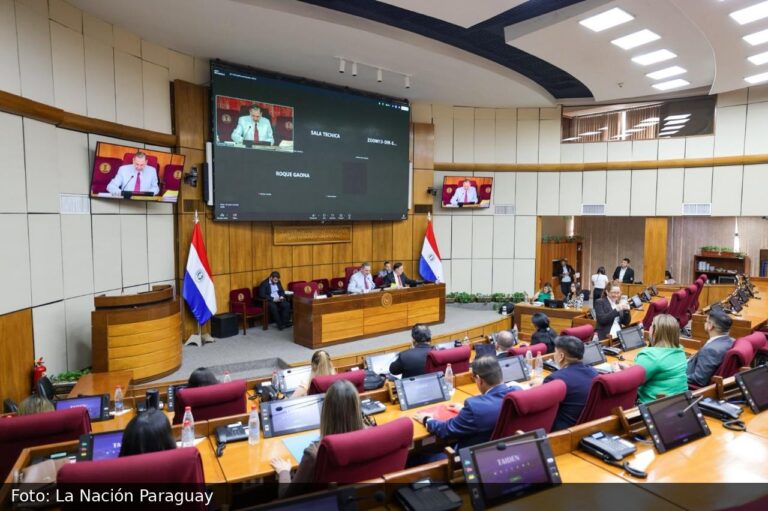
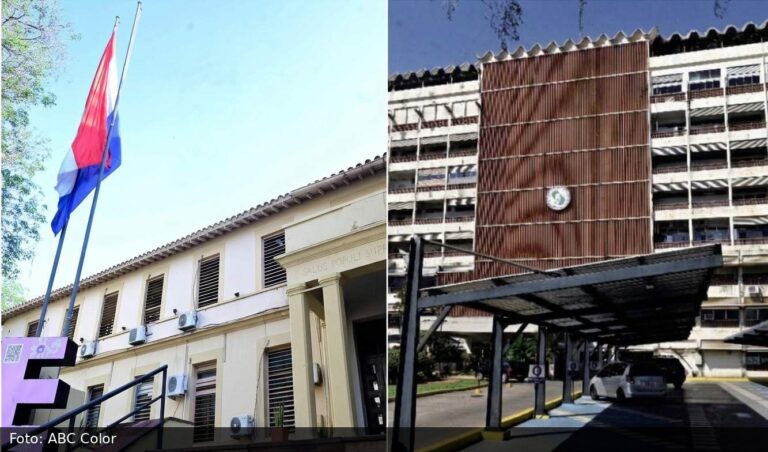
The three members of the Tribunal Superior de Justicia Electoral came out in support of the electronic voting system ahead of the municipal elections on October 4 and anticipated that the debate over its continuity will grow after the elections, according to ABC Color.
According to that outlet, TSJE president Jorge Bogarín rejected a return to the paper ballot and said any change must be debated in Congress. He also said the technology provides efficiency and security without eliminating human oversight, and noted that the simulations of the Preliminary Election Results Transmission System worked “practically at 100%.”
In the same vein, Jaime Bestard argued, also according to ABC Color, that the Paraguayan system cannot be compared with the Uruguayan one because Uruguay uses a closed list, while in Paraguay the law combines the voting machine with open, unlocked lists and preferential voting. The minister recalled that this system emerged as a popular demand.
For his part, vice president César Rossel said that the TSJE headquarters regularly receives visits from party representatives and that, unofficially, there is momentum to change the list system in the primaries. He explained that the proposal most often mentioned is to return to closed lists for those party elections, while keeping the current system of open, unlocked lists with preferential voting for the general elections.
Rossel did not identify the sectors promoting that change, but stressed that the tribunal applies the current system because that is what the law establishes. He also said, according to ABC Color, that some sectors that had previously criticized electronic voting later acknowledged their mistake and linked part of the low turnout in other elections to those criticisms.
Bestard estimated that the debate over the electoral system will intensify “dramatically” once the municipal elections are over. He also ruled out the National Republican Association backing a return to the previous system at least until 2028, considering that the unlocked system benefited the ruling party in the composition of Congress and could do so again in municipal councils.
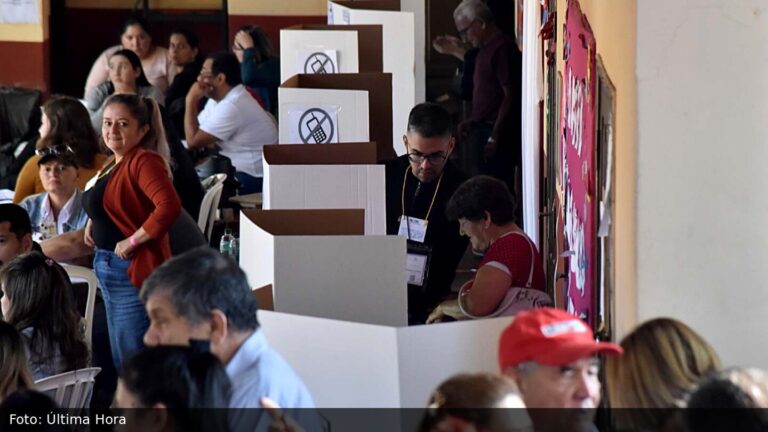
On the organization of the election, Bogarín said that 5,043,000 people are eligible to vote in 14,700 polling stations, with the same number of machines distributed across 1,187 locations. In addition, there are about 2,000 contingency machines and another 1,187 designated for training.
According to the TSJE president, the schedule is proceeding without setbacks. This Monday the judicial audit of the electoral kits begins, and the shipment of machines to remote areas, such as Alto Paraguay, started a week early. The rest of the material for the interior will be distributed on the Wednesday before voting.
As for turnout, Bestard recalled that in municipal elections it usually stands at around 60% and avoided projecting a decline, although he warned that weather conditions can affect participation.
Sources
About this note. Written by El Notero with the assistance of artificial intelligence, based on what was published by the cited outlet. El Notero did not conduct its own reporting on this event.