World
The British government assesses the risks of artificial intelligence and rejects simplistic answers
Louise Haigh will tell the TUC congress that the United Kingdom must listen to those developing the technology. As parliamentary pressure grows to regulate it, the government is urging caution in the face of the most extreme scenarios.
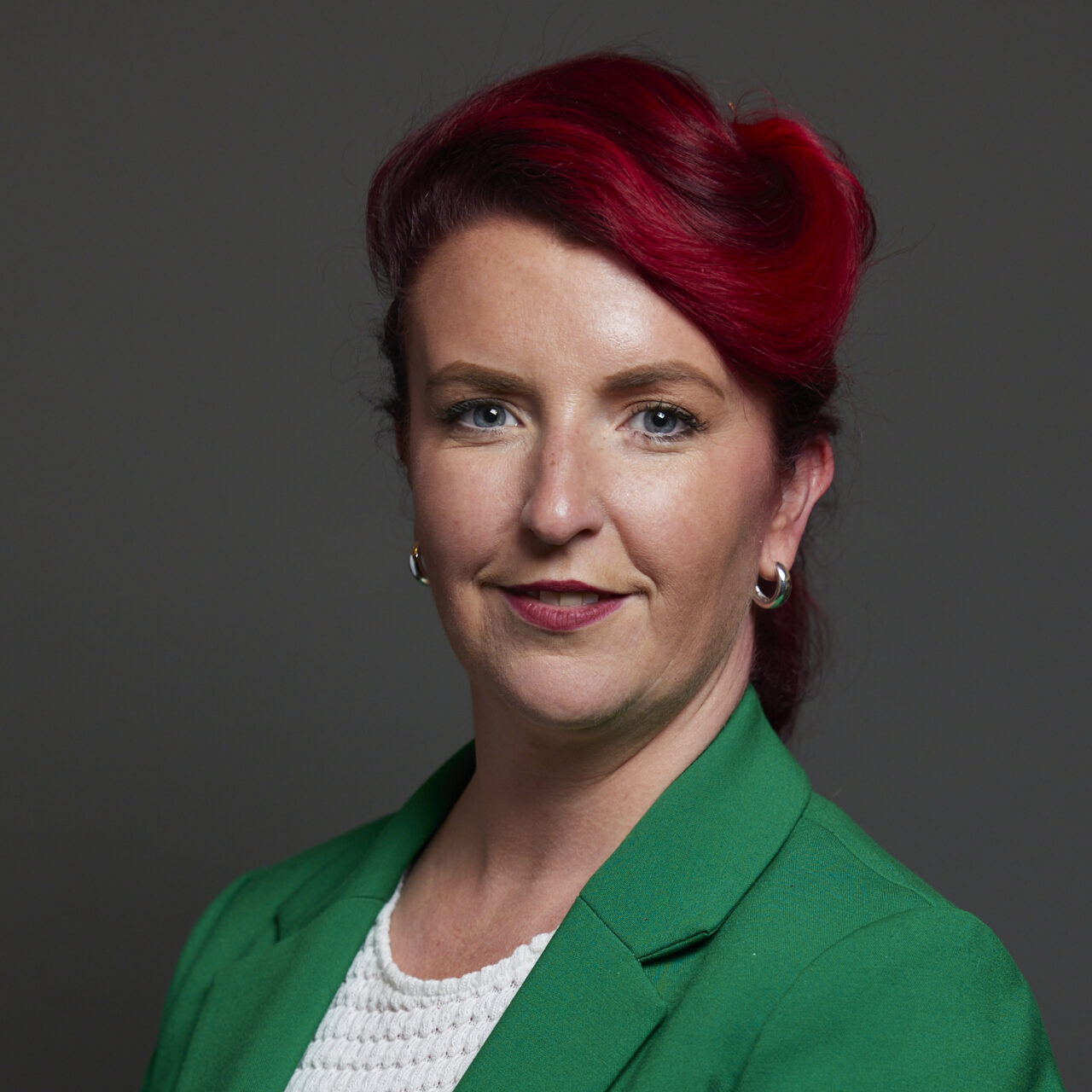
The government of the United Kingdom must pay attention to the warnings of those on the front line of artificial intelligence development, Louise Haigh will say this Tuesday in a speech before the TUC congress, according to BBC Mundo and The Guardian World.
According to both outlets, Haigh will argue that artificial intelligence has great potential to transform public services, strengthen businesses and pave the way for new scientific advances. At the same time, she will say that the government is willing to work with international partners to prioritize public safety and national security.
The debate intensified in recent days over criticism emerging from within the sector itself. BBC Mundo reported that Anthropic researcher Evan Hubinger said there is a probability greater than 10% that artificial intelligence could kill all humans in the next decade. The same network also cited Jacob Coxon, a former Anthropic employee, who warned that if the current pace of progress is not slowed there is a strong possibility that everyone could die in the near future.
According to BBC Mundo, Anthropic CEO Dario Amodei called for slowing the development of models such as Claude or ChatGPT and subjecting them to close oversight. The Guardian World added that over the weekend Anthropic urged competitors and governments to coordinate a global slowdown in artificial intelligence development, with backing from rivals such as OpenAI, Google DeepMind and Elon Musk.
In parallel, British lawmakers are pushing new rules. Both outlets noted that a parliamentary report on human rights concluded that the technology has already been linked to multiple abuses and called for a new regulatory framework. Alex Sobel, chair of the committee, said that nowhere in the world, including the United Kingdom, is there currently an adequate legislative and regulatory scheme for this technology.
BBC Mundo added that Parliament also discussed the possibility of establishing a legal mechanism to shut down an artificial intelligence model in an emergency, although the Cabinet Office responded that the United Kingdom cannot simply disconnect it and warned that blocking access to models within the country would not prevent them from being developed or misused elsewhere.
On that point, Jonathan Reynolds called for avoiding exaggeration. In remarks cited by BBC Mundo and The Guardian World, the Business Secretary said that one should not be complacent about the risks, but neither hyperbolic. He also considered a “kill switch” of little use and warned that overregulation could leave the United Kingdom without access to cutting-edge developments created abroad, which, in his view, would make it less safe.
BBC Mundo also reported that United States President Donald Trump dismissed the idea that artificial intelligence could dominate or destroy humanity and described those warnings as a hoax in posts on Truth Social.
Sources
About this note. Written by El Notero with assistance from artificial intelligence, based on what was published by the cited outlet. El Notero did not conduct its own reporting on this event.