World
Ambassador Mauricio Gaona defended a UN reform and denied Colombia would leave the system
The diplomat said the United Nations needs deep changes, but ruled out leaving the organization as a viable option. He also said the government is reviewing the peace process without disregarding its international obligations.
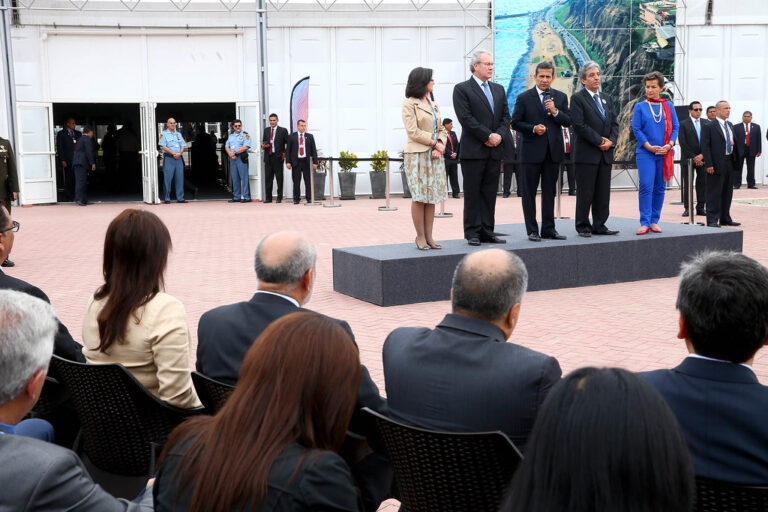
Ambassador Mauricio Gaona said in an interview with El Tiempo that Colombia is promoting a critical review of the United Nations system, although without proposing a withdrawal from the organization. According to him, the official position aims to modernize a structure he considers outdated and affected by the politicization of human rights and international humanitarian law.
Gaona said that, after the presentation by the government of Abelardo De La Espriella before the UN, the assessment among delegations was positive and that the Colombian message sought to underscore the need for deep reforms so that the multilateral system can be more effective in the face of security, peace and forced displacement conflicts.
In that context, he told El Tiempo that leaving the United Nations does not seem like a reasonable alternative for any country. He said the debate is not about dismantling the system, but about reviewing how it works, avoiding double standards and reducing political interpretations in bodies such as the Security Council.
On the Middle East, he said the Colombian government fully restored relations with the State of Israel, in a change from the previous administration, although it remains concerned about the humanitarian crisis in the region. He also mentioned the situation in Iran and said that, in the interpretation of Colombia and 11 other members of the Security Council, the sanctions regime remains in force.
Regarding the peace agreement, Gaona told El Tiempo that the government is reviewing with data which aspects work and which do not. He said there were failures in implementation, questioned reports on the process and mentioned a perception of impunity in Colombia. Even so, he stressed that the review does not imply evading international commitments, but rather exercising the State’s right to assess the process within the constitutional and international framework.
The diplomat also raised objections to what he described as ideological trends in international courts and called for discussion of a minimum regulation for artificial intelligence. According to him, he brought that concern to the Security Council by warning about the risks of a technology that, he said, is already showing behaviors that are difficult to control.
Sources
About this note. Written by El Notero with assistance from artificial intelligence, based on what was published by the cited outlet. El Notero did not do its own reporting on this event.