Miami
California Enacts SB 53 to Regulate Advanced Artificial Intelligence Models
The law is now in force in the state and sets safety, transparency and reporting obligations for frontier system developers. Anthropic backed the initiative, although it said it would prefer federal regulation.
California has activated new regulation for the most advanced artificial intelligence systems with the entry into force of SB 53, a law aimed at so-called frontier models and, according to La Nación, backed by Anthropic.
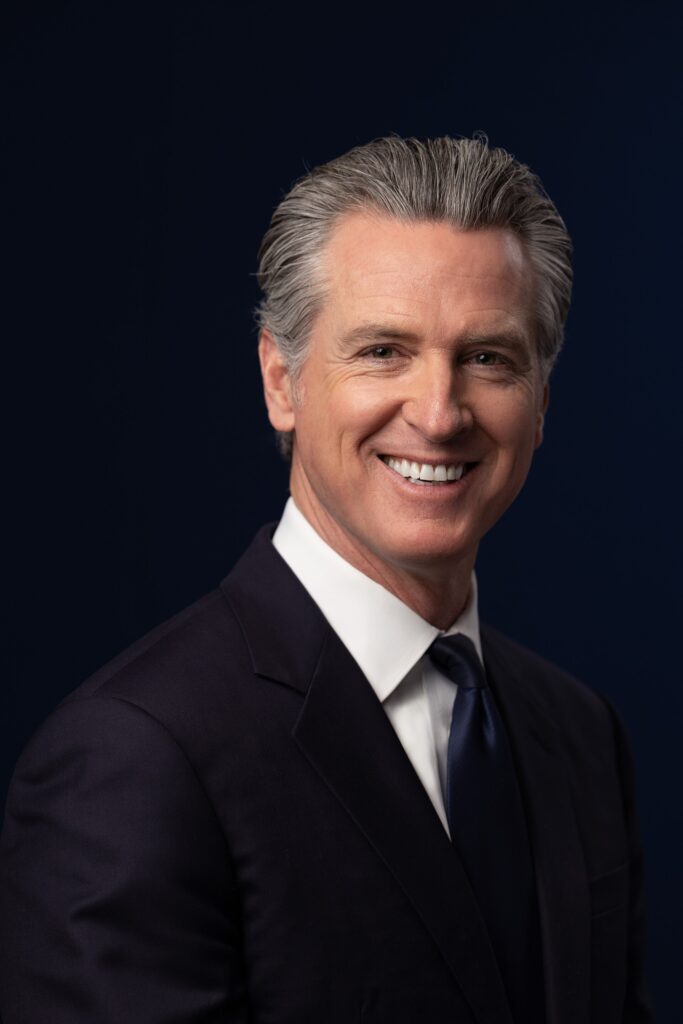
The legislation, signed by Gavin Newsom on September 29, 2025, began to take effect in its main provisions on January 1, 2026. According to information from Wharton University of Pennsylvania cited by La Nación, it uses as a reference models that require more than 10²⁶ floating-point operations for training, including the accumulated computing capacity used in subsequent fine-tuning and modifications.
The law focuses on the developers of these systems and adds additional requirements for large frontier model developers, a category that includes entities with more than US$500 million in annual gross revenue, provided they have trained or begun training a model above the threshold set out.
The goal is to prevent risks the law considers catastrophic, including foreseeable scenarios in which a system could cause the death or serious injury of 50 or more people, produce damages exceeding US$1,000 million, facilitate expert-level assistance to develop or release chemical, biological, radiological or nuclear weapons, autonomously carry out serious crimes or cyberattacks, or escape the control of developers or users.
Among the core obligations, SB 53 requires large developers to publish an annual safety framework with their criteria for identifying, evaluating, mitigating and managing these risks. It also requires public transparency reports before the deployment of new frontier models or substantial modifications, with data on capabilities, intended uses, limitations and risk assessment results.
In addition, critical safety incidents must be reported to the California Office of Emergency Services within 15 days of detection, or within 24 hours if there is an imminent danger. The law also provides anonymous channels for employees and contractors to raise concerns, protections for whistleblowers and possible financial penalties for failures to comply with the commitments assumed in the companies’ own safety frameworks.
According to La Nación, Anthropic expressed support for the initiative in September 2025, after reviewing the experience of a previous regulatory attempt in California. The company said it has long defended responsible regulation of artificial intelligence, although it stressed that the safety of the most advanced systems should be addressed at the federal level and not through a fragmented scheme of state rules.
The company also highlighted, according to La Nación, the work of the Joint California Policy Working Group convened by Newsom. According to Anthropic, that forum recommended an approach based on the principle of “trust, but verify,” a logic that SB 53 adopts through disclosure and transparency requirements rather than imposing prescriptive technical requirements.
Sources
About this note. Written by El Notero with assistance from artificial intelligence, based on what was published by the cited outlet. El Notero did not do its own reporting on this event.