Paraguay
Dominican Republic studies replicating Paraguay’s Hambre Cero program in its own country
A Dominican technical mission visited schools, distribution centers and met with Paraguayan authorities to learn about the school feeding plan. According to La Nación Paraguay, the interest focuses on its nationwide reach and its link to the local economy.
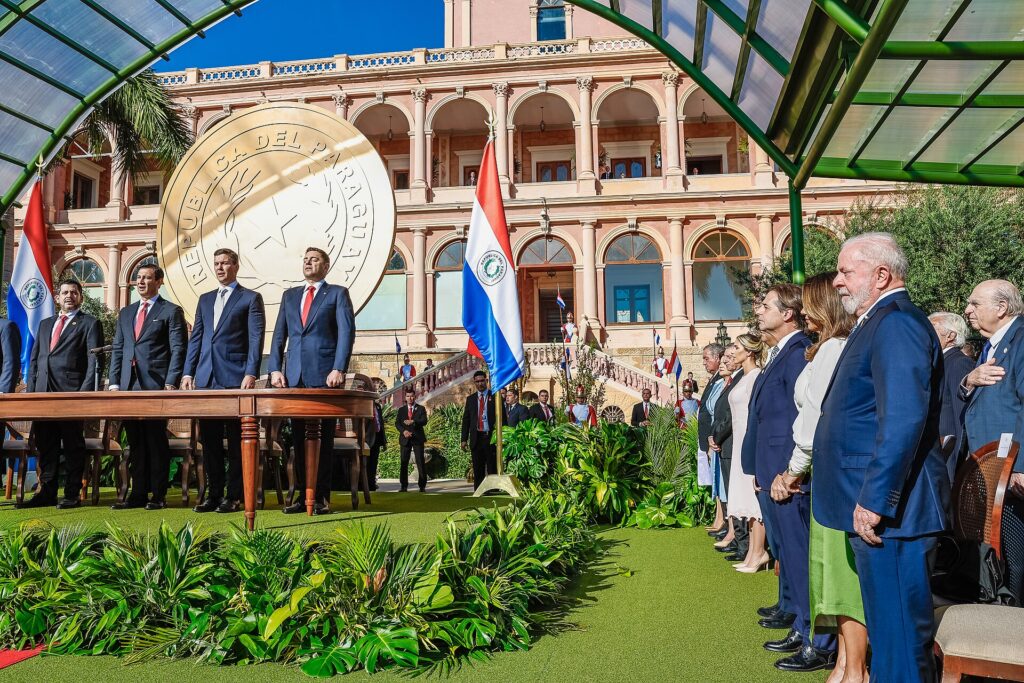
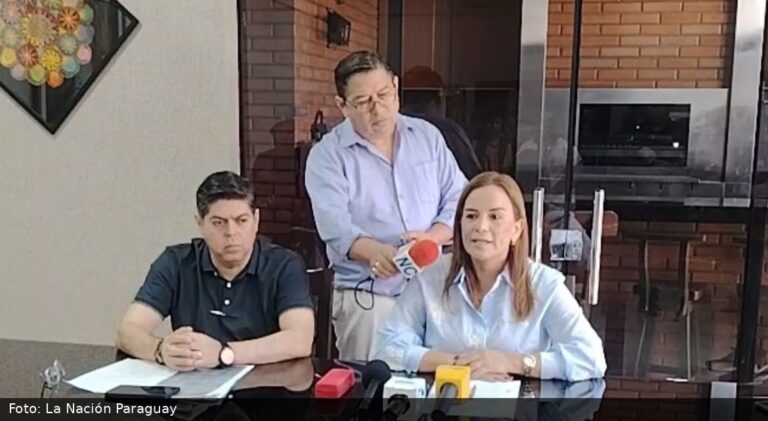
Paraguay received a delegation from the Dominican Republic interested in learning in detail about the implementation of Hambre Cero, the school feeding program that, according to Deputy Minister of Social Policies at the Ministry of Social Development, Carlos Paris, has begun to be projected toward other countries in the region.
According to La Nación Paraguay, Paris said the country was chosen by the Latin American Sustainable Food Network and the Food and Agriculture Organization of the United Nations to showcase this experience. In remarks to Paraguay TV, he said that with this visit, the “export” of the Paraguayan model begins.
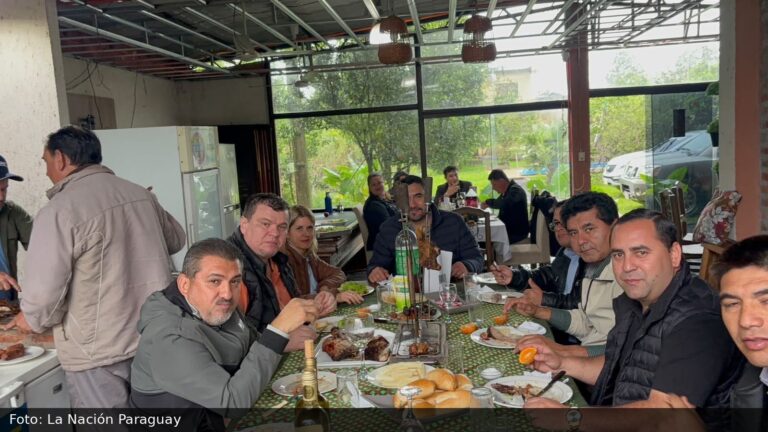
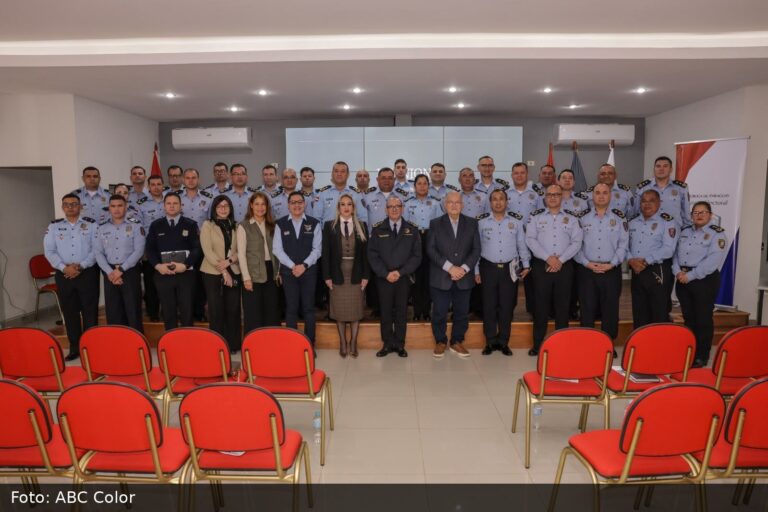
The technical mission was made up of 18 representatives of the Dominican government, linked to the Sustainable School Feeding Network and the National Student Welfare Institute. Over two days, they held meetings with national authorities, visited schools and toured food supply centers.
One of the agenda items was a visit to schools in Caacupé, where the delegation observed the school feeding service. According to Paris, one of the aspects that drew the most interest was learning how the program went from 5% coverage to 100%.
The delegation also held meetings with technical teams and authorities, including Minister of Social Development, Tadeo Rojas, and Minister of Education, Luis Ramírez. They then toured schools in Areguá and spaces linked to food distribution.
Ramírez said, according to La Nación Paraguay, that the project not only guarantees food, but also provides identity and dignity to children. He added that, although the scheme is not perfect, it requires constant work and ongoing innovation.
Another focus of the visit was the program’s impact on family farming and the local economy. The delegation sought to learn about purchasing mechanisms, logistics, distribution, school health practices, financing, coordination among institutions and menu planning.
On the second day, the Dominican representatives visited the distribution center of the company Altair in Caacupé, accompanied by members of the National School Feeding Council, the Ministry of Social Development and other institutions linked to Hambre Cero.
Sources
About this note. Written by El Notero with assistance from artificial intelligence, based on what was published by the cited outlet. El Notero did not conduct its own reporting on this event.