Miami
TEXAS Trump administration and Texas ask Supreme Court to keep deal scrapping immigration rule
The dispute centers on a Biden-era regulation that let immigration judges pause some deportation cases. Cities led by Baltimore and an immigrant legal aid group are trying to block a Texas federal judge’s ruling.
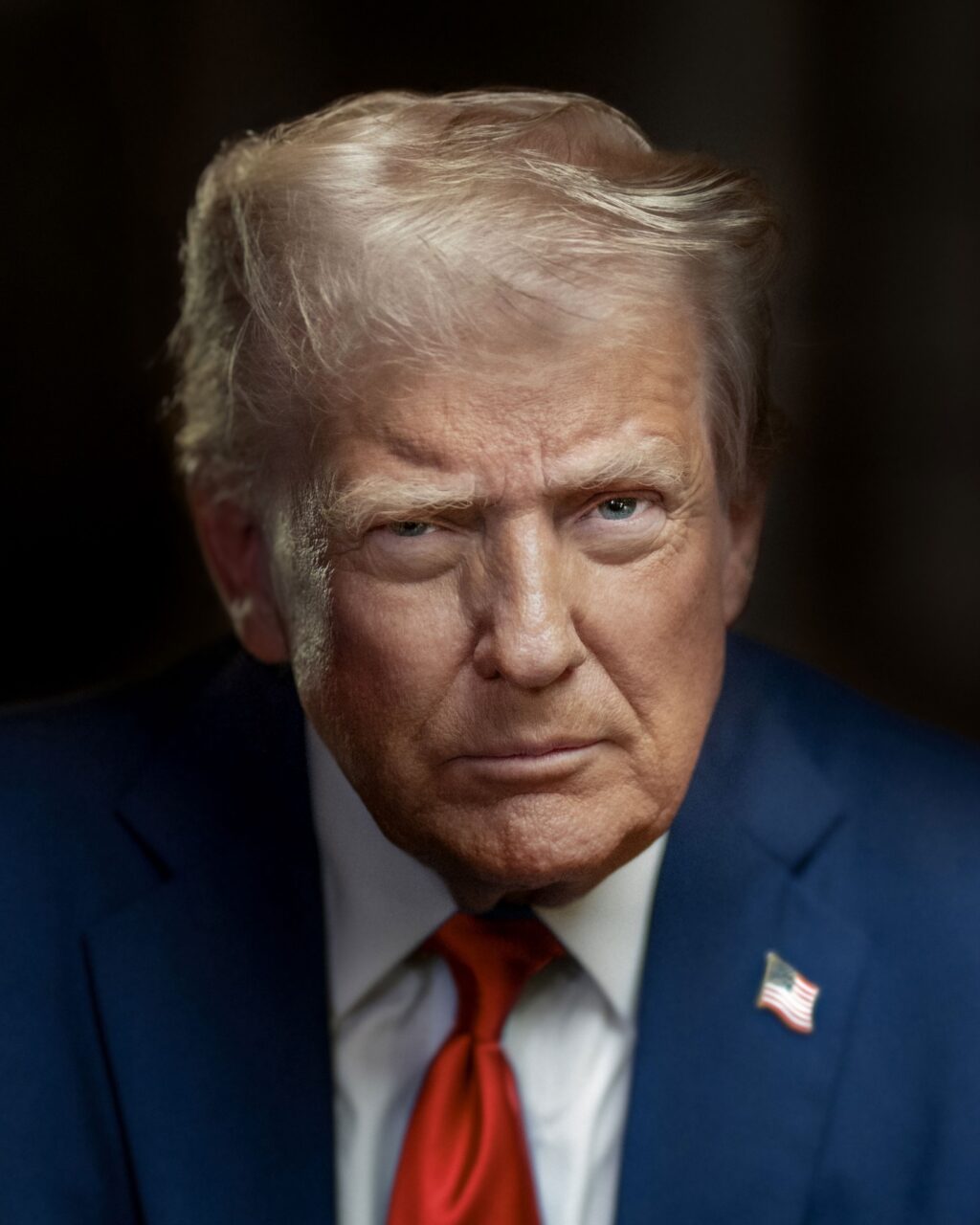
The Trump administration and the state of Texas asked the U.S. Supreme Court to leave in place a consent agreement that wiped out a regulation adopted under President Joe Biden, SCOTUSblog reported. The rule had allowed immigration judges to suspend some deportation proceedings through what is known as administrative closure.
According to SCOTUSblog, the Executive Office for Immigration Review, part of the Justice Department, adopted the rule in 2024. It gave immigration judges authority to pause cases in some circumstances, including when a crime victim or witness was seeking immigration relief while an appeal remained pending in lower federal courts.
Texas sued in federal court in Wichita Falls in June, arguing that the agency lacked authority to issue the administrative-closure rule. The case went to U.S. District Judge Reed O’Connor. That same day, the Justice Department and Texas jointly asked him to enter final judgment for the state, strike down the rule entirely and make clear that the agency could not issue a similar rule in the future. O’Connor granted those requests.
Three cities with large immigrant populations — Baltimore, New Haven and Columbus — later sought to join the case to defend the rule on appeal, along with Centro Legal de la Raza. O’Connor denied that effort, finding that they lacked standing. SCOTUSblog said he specifically rejected the cities’ argument that eliminating the rule would cost them money because some taxpayers were likely to be deported. The 5th U.S. Circuit Court of Appeals then refused to pause O’Connor’s ruling while the appeal moved forward, leading the challengers to turn to the Supreme Court on Oct. 9.
In their filing, the challengers argued that the consent judgment could not be defended and warned, according to SCOTUSblog, that letting it stand would make it easier for federal agencies to sidestep the legal constraints that govern administrative rulemaking by declining to defend a disfavored regulation and quickly accepting nationwide relief.
The Trump administration and Texas responded that those parties have no standing to intervene on appeal and therefore cannot attack the agreement. U.S. Solicitor General D. John Sauer told the justices that the application tries to turn a narrow fight over intervention into a broader challenge to the merits of the district court’s approval of the deal.
Texas also argued that granting the request would revive a rule the district court found unlawful, restore the fiscal and sovereign harms the state says it suffered and unsettle a final judgment accepted by the original parties. Texas and Sauer further contended that the cities’ alleged injuries are too indirect because they depend on a series of future discretionary events, and that no declaration identified even one taxpayer for whom that chain of events was likely.
Sources
About this piece. Written by El Notero with AI assistance, from reporting published by the outlet cited above. El Notero did no original reporting on this story.