World
BRASIL Young voters on both sides step up campaigning ahead of Brazil’s runoff
Supporters aged 16 to 24 are expanding outreach on social media, campuses and public spaces to win over undecided voters and reduce abstention. Data cited by g1 shows both youth turnout and the number of eligible young voters fell compared with 2022.
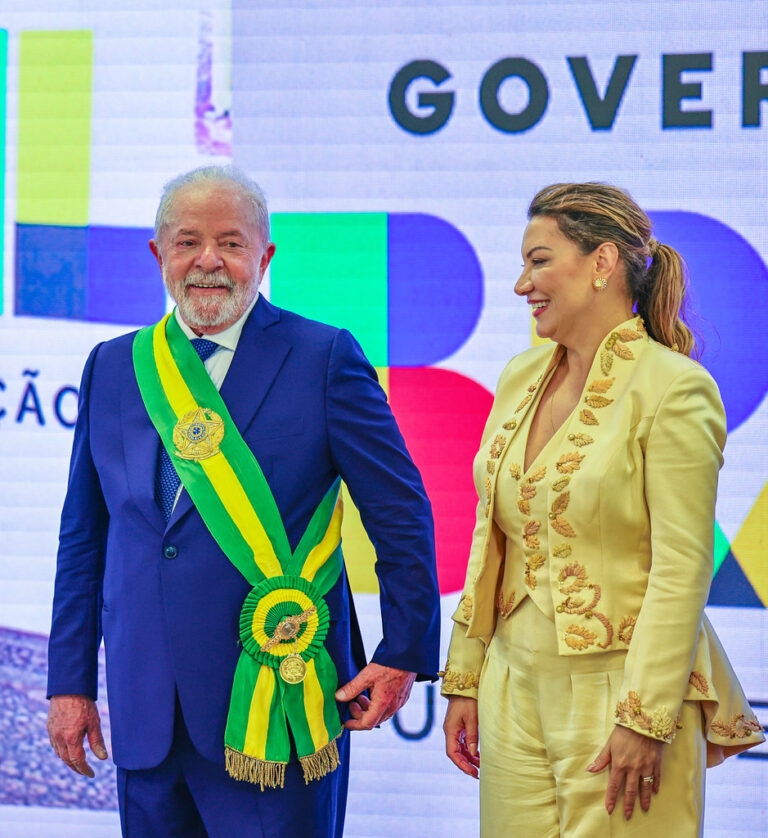
With Brazil’s presidential runoff approaching, supporters of Luiz Inácio Lula da Silva and Flávio Bolsonaro have intensified efforts to win over young voters, a bloc both campaigns see as strategically important, according to g1.
The outlet interviewed voters between 16 and 24 years old who described a range of tactics aimed at persuading undecided people and lowering abstention. Those efforts include sharing campaign material on social media, holding meetings and protests on college campuses, setting up persuasion tables at bus stops and universities, and organizing political debates in schools.
On Lula’s side, 24-year-old Isadora de Oliveira told g1 the goal is to bring the campaign into universities, public transportation and other everyday spaces. The outlet said she also helped organize a pro-Lula rally in Brasília on October 13 that drew about 60,000 people. Daniella Dutra, 21, said she opened up what had been a private social media profile during the runoff to broaden her political reach, while 20-year-old Bruna Lima has joined direct voter outreach tables to speak with supporters of other candidates and with nonvoters. Maria Clara Lobão, 16, said she chose to launch discussions at school.
In Flávio Bolsonaro’s camp, g1 reported that 18-year-old João Pedro Porto coordinates a university group opposed to Lula and, since the end of the first round, has organized sticker drives and demonstrations outside his college. Alexandra Carvalho, 22, created a messaging channel to distribute Bolsonaro campaign content every day and to arrange meetings and protests at her university.
Political scientist Marcela Machado told g1 that runoff elections usually draw stronger engagement from younger voters than the first round, because people feel a greater need to take a side and are influenced by the behavior of those around them. She also said young people act as a filter within their social circles, carrying campaign messages to people who do not closely follow candidates or televised election programming.
g1 also noted that voting in Brazil is optional for 16- and 17-year-olds and mandatory from age 18. Based on data from the Superior Electoral Court cited by the outlet, 14.9 million people aged 16 to 24 voted in the first round in 2026, down from 16.9 million in 2022. The number of eligible voters in that age group also declined, from 21.4 million in 2022 to 19.2 million in 2026. Among 16- and 17-year-olds, 1.4 million cast an optional ballot in the first round.
Separately, Agência Brasil reported that Lula took part in two campaign marches in Minas Gerais on Friday, in Juiz de Fora and Ipatinga, where he urged supporters to seek votes from undecided people and encourage those who stayed home in the first round to vote in the runoff.
According to Agência Brasil, the PT candidate used the day to celebrate the enactment of the end of the 6×1 work schedule, highlighted policies from his administration such as full-time schools and the Pé-de-Meia program, and said a fourth term would focus on economic growth. In Ipatinga, he also criticized a lunch between Flávio Bolsonaro and Globo executives, while the company confirmed in a statement that the candidate made an institutional visit to its headquarters in Rio de Janeiro and met with João Roberto Marinho and Paulo Tonet, adding that no journalism executives took part.
Sources
About this piece. Written by El Notero with AI assistance, from reporting published by the outlet cited above. El Notero did no original reporting on this story.