Argentina
Argentina’s 2027 Elections: When Voting Takes Place and Which Offices Are Renewed
The general presidential election is expected to take place on October 24, 2027, according to current regulations. That year will also see seats renewed in Congress, the Buenos Aires City government, and governorships in 21 provinces.
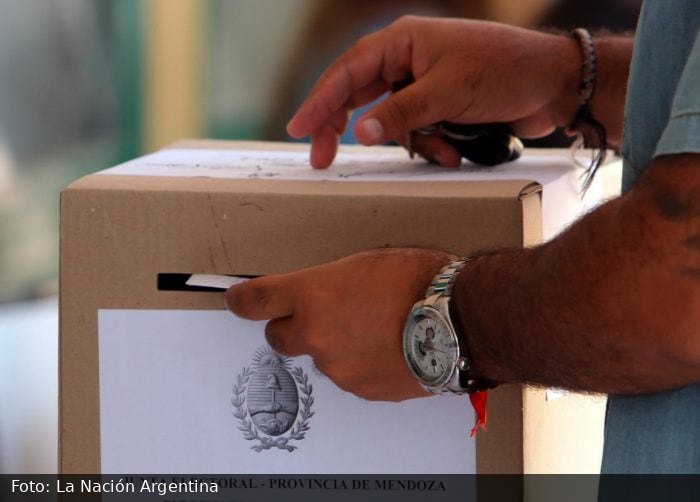
Argentina will return to the polls in 2027 to elect a president and vice president, as well as to renew part of the National Congress. Under current legislation, the general election for national offices must be held on the fourth Sunday of October immediately before the end of the terms, so the expected date is October 24, 2027.
According to material published by La Nación, those elections will also put 130 seats in the Chamber of Deputies and 24 seats in the Senate up for grabs. At the same time, voters in the Autonomous City of Buenos Aires will have to elect a chief of government, while 21 provinces will choose governors, along with mayors and other local offices.
The jurisdictions that will renew their top provincial executive authority are Buenos Aires, Autonomous City of Buenos Aires, Catamarca, Chaco, Chubut, Córdoba, Entre Ríos, Formosa, Jujuy, La Pampa, La Rioja, Mendoza, Misiones, Neuquén, Río Negro, Salta, San Juan, San Luis, Santa Cruz, Santa Fe and Tierra del Fuego, Antarctica and South Atlantic Islands.
If the primary system remains in force, the PASO would be held on August 8, 2027, in line with what Law 26,571 establishes for the second Sunday of that month. However, La Nación said the government is pushing a reform to eliminate them. According to that publication, moving forward with that change requires an absolute majority in Congress; in the Senate, that means 37 affirmative votes. Also according to that outlet, the government currently has 21 aligned senators, so it would need to add 16 more.
The regulations also state that the election call must be issued at least 90 days in advance and must specify the date, district, offices at stake, the number of candidates each voter may choose, and the applicable electoral system.
If no candidate meets the conditions to win in the first round, there will be a runoff. The National Constitution establishes that a ticket wins without a second round if it obtains 45% of the vote, or at least 40% with a margin of more than ten points over the runner-up. If that does not happen, the two most-voted candidates will compete in a new vote.
In addition, La Nación indicated that the National Electoral Chamber will enable the final voter roll to check polling locations by entering the DNI, gender, district and a validation code.
Sources
About this note. Written by El Notero with assistance from artificial intelligence, based on what was published by the cited outlet. El Notero did not conduct its own reporting on this event.