Argentina
The Senate approved and sent to Deputies the biofuels law reform
The upper chamber gave preliminary approval to the bill that raises mandatory bioethanol and biodiesel blends. The debate was unlocked after changes tied to the participation of SMEs in the sector.
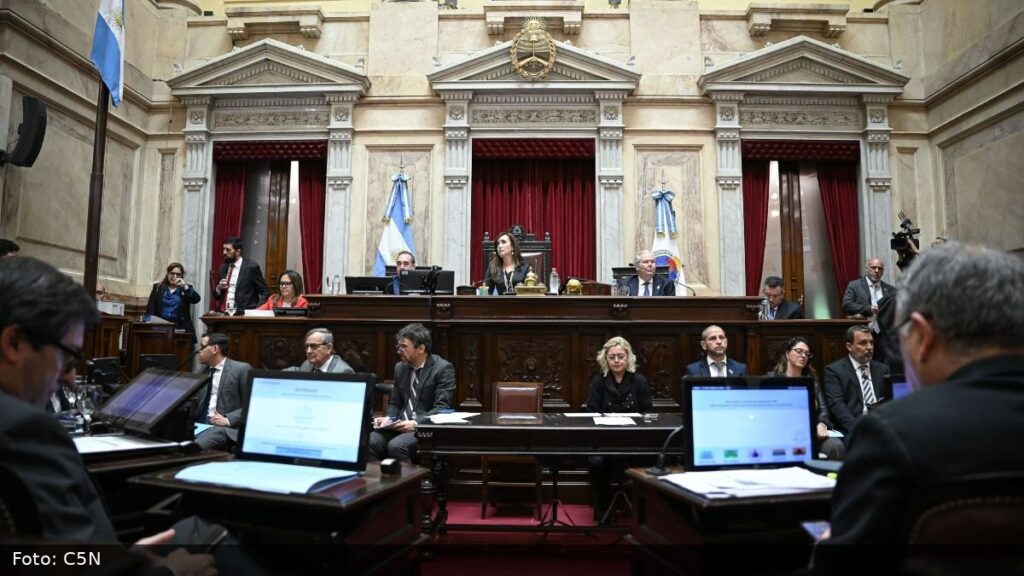
The Senate gave preliminary approval to the reform of the Biofuels Law and sent the bill to the Chamber of Deputies. The initiative was approved with 41 votes in favor and 25 against.
The proposal raises the mandatory bioethanol blend from 12% to 15% and the biodiesel blend from 7% to 10%. According to the approved text, the new percentages will take effect one year after the law is enacted.
The point that had stalled the debate was the participation of biodiesel SMEs. In the end, an agreement was reached with changes on the floor and a transition scheme was established through 2036.
According to C5N, the scheme distinguishes between integrated companies, which take part in the entire production chain, and non-integrated ones, which will hold 6.5% of the market when the blend rises to 10%. That outlet added that non-integrated companies will have a minimum floor of 4% between 2031 and 2036.
Clarín specified that, in bioethanol, a 6% share from sugarcane and another 6% from corn is preserved for the duration of the law, while the remaining 3% may be covered with other raw materials admitted under the regime.
During the debate, Flavia Royon said, according to C5N, that the bill seeks to provide predictability to existing production capacities and open a transition toward a more competitive, transparent framework open to new technologies. She also noted that, in biodiesel, the transition through 2036 avoids a sudden opening.
Beatriz Ávila backed the increase in the mandatory blend and highlighted its energy, environmental, industrial and regional impact, according to C5N. In the same vein, Juan Manzur said the measure will benefit northern Argentina and small producers in Tucumán.
According to Clarín, the initiative had the support of La Libertad Avanza, most of the UCR, the PRO, Convicción Federal and provincial blocs, while most of the Peronism voted against it.
Sources
About this note. Written by El Notero with assistance from artificial intelligence, based on what was published by the cited outlet. El Notero did not do its own reporting on this event.