Argentina
The Senate approved the BCRA reform with changes, and the bill returns to the Chamber of Deputies
The upper chamber gave general approval to the initiative promoted by Javier Milei, but modified the mechanism for appointing and removing the Central Bank’s authorities. That adjustment requires a new review in the Chamber of Deputies.
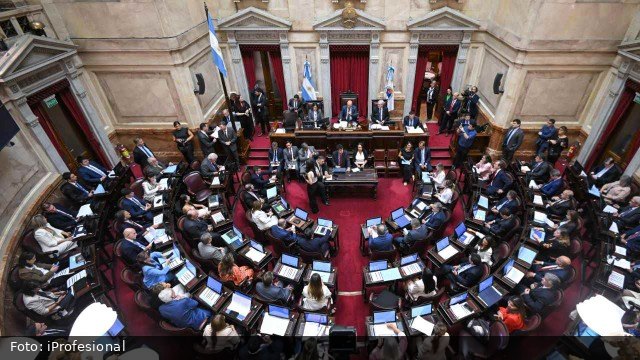
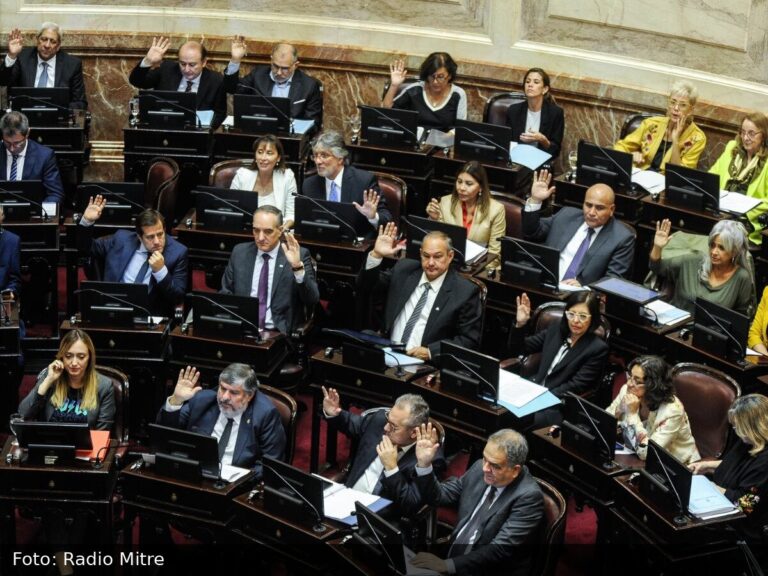
The Senate approved the reform of the Central Bank’s Organic Charter in general by 46 votes to 22, but introduced changes to a sensitive point in the bill, so the initiative will have to return to the Chamber of Deputies.
The main change affected the system for appointing and removing the president and directors of the BCRA. According to what was reported on the floor, those appointments will require Senate approval by an absolute majority for six years, and any removal must be ordered by the Executive Branch with prior approval from that same chamber, also by absolute majority.
In this way, the wording that had come out of the Chamber of Deputies was left behind, which required a two-thirds majority in both chambers of Congress to remove the authorities. With the change endorsed by the Senate, 37 votes will be enough in the upper chamber.
The ruling party accepted that modification to secure the backing of allied blocs, which considered the original criterion excessive. The reform of that article was approved with 66 votes, a number that makes it difficult for the Chamber of Deputies to insist on the previous version.
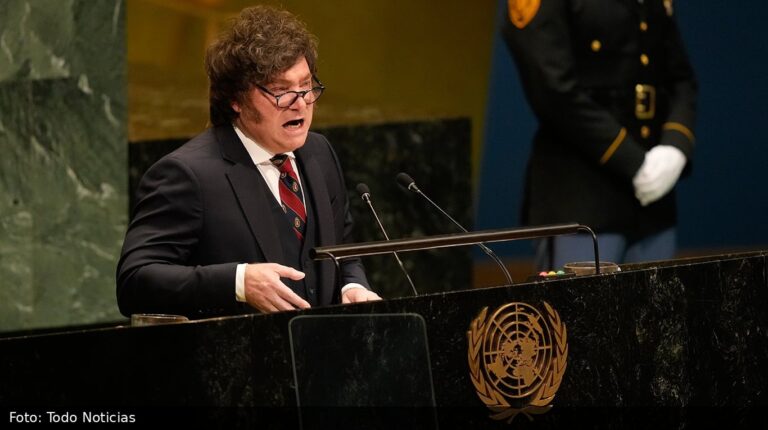
The initiative is one of President Javier Milei’s priorities. Among its main points, it establishes a ban on the Central Bank financing the Treasury, repeals temporary advances, prevents loans to the national government, provinces and municipalities, and sets as the entity’s sole mission preserving the value of the currency.
It also removes from the organic charter the permanent participation of the Economy Minister or Treasury representatives in board meetings, and proposes leaving behind instruments such as Treasury Non-Transferable Bills.
During the debate there were objections to article 13, which authorizes the use of reserves as collateral to take on debt. That point was questioned by Peronism and also by some allies. According to El Cronista, Senator Flavia Royón said she would not support several articles in the article-by-article vote, including article 13. Even so, that section was upheld with 42 votes.
According to iProfesional, in the days leading up to the vote Patricia Bullrich and José Mayans discussed the possibility that the change would be locked in for the bill’s return to the Chamber of Deputies. That same outlet noted that Peronism backed the change to that article in order to prevent the lower house from easily reversing the new wording.
Sources
About this note. Written by El Notero with the assistance of artificial intelligence, based on what was published by the cited outlet. El Notero did not conduct its own reporting on this event.