Uruguay
The Uruguayan government marked 80 years of ties with the World Bank and highlighted a competitiveness agenda
Yamandú Orsi, Gabriel Oddone and the institution’s vice president for Latin America and the Caribbean took part in an event at Torre Ejecutiva. The historical relationship with the World Bank was reviewed there, and the challenges of growth, employment and productivity were underscored.
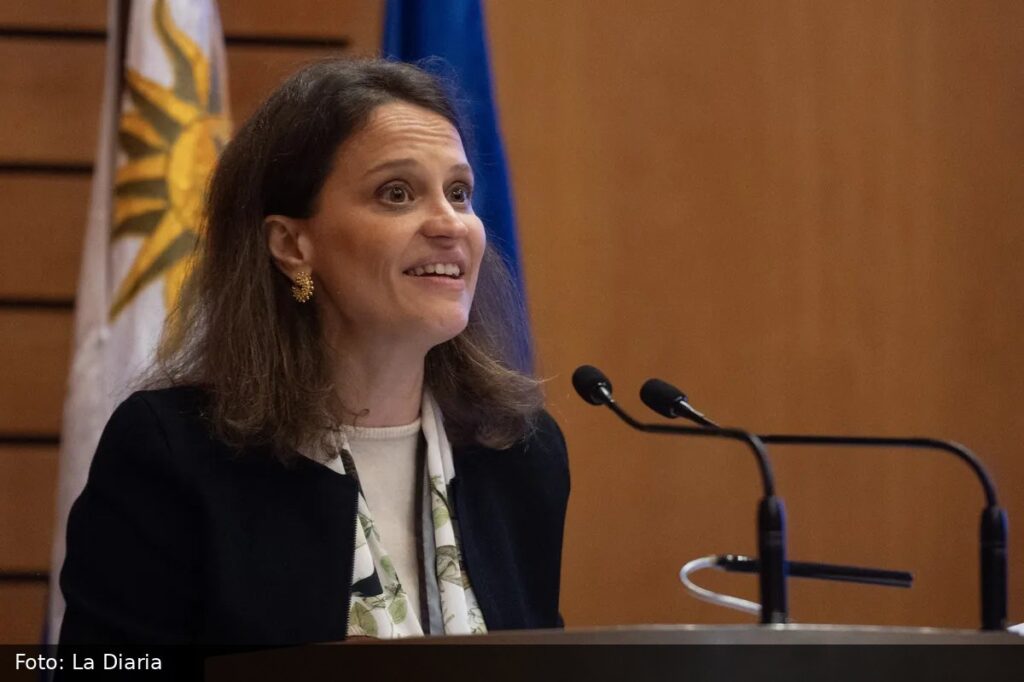
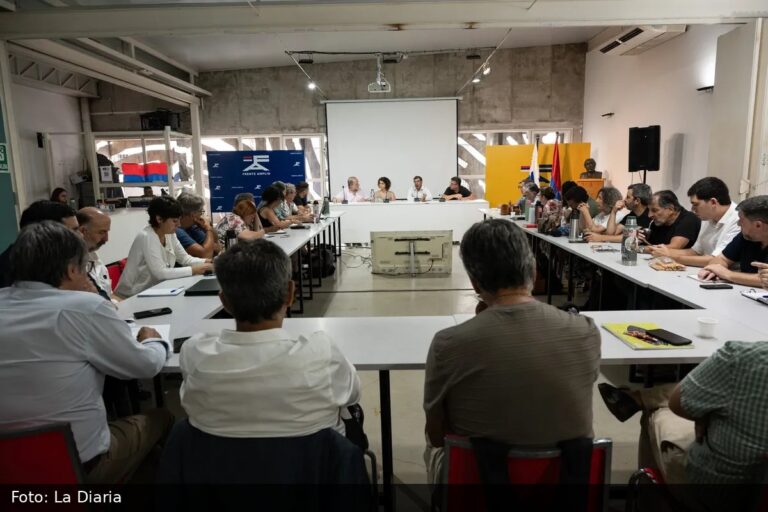
The government of Uruguay celebrated this Monday the 80th anniversary of its relationship with the World Bank at an event held in the annex building of Torre Ejecutiva, with the حضور of President Yamandú Orsi, national authorities and representatives of the public and private sectors, according to La Diaria.
During the event, Orsi described that relationship as part of a state policy and highlighted Uruguay’s early commitment to multilateralism. He also recalled that the first agreement with the institution, in the 1950s, was linked to the expansion of the national electricity grid and telephony.
According to La Diaria, the president also said that the World Bank has been and must continue to be a support for the private sector. In the same vein, Economy and Finance Minister Gabriel Oddone thanked his predecessors and the institution, which he described as a central actor in transformations linked to international integration, traceability, full-time schools and multiproperty irrigation systems.
In recent days, the World Bank’s executive board approved $300 million in financing to support reforms aimed at boosting competitiveness, private investment and employment, according to a statement from the institution cited by La Diaria.
The World Bank vice president for Latin America and the Caribbean, Susana Cordeiro Guerra, said that Uruguay needs to approach competitiveness as an integrated agenda, articulating policies that reinforce one another and take advantage of the country’s strengths in a changing geopolitical context. She also considered that the bill on competitiveness and reducing the cost of living submitted by the Executive Branch represents a relevant step in that direction.
According to La Diaria, Cordeiro Guerra also reviewed milestones in the bilateral relationship and noted that in 2008 the World Bank was the first foreign issuer to place a bond in Uruguayan pesos in the local market, an experience later replicated in other countries. At the same time, she pointed out that despite the credibility, macroeconomic stability and institutional strength built by Uruguay, challenges remain in turning those strengths into growth, better jobs and better living conditions.
The official also referred to demographic and educational challenges, and said productivity improvements will become increasingly decisive for growth. In that context, she argued that artificial intelligence can help strengthen workers’ capabilities and companies’ productivity, while in energy matters she identified the challenge of translating the country’s strengths into more competitive prices that drive greater private investment.
During the event, former presidents Julio María Sanguinetti and Luis Lacalle Herrera were honored, as were former Economy Ministers Ricardo Zerbino, Luis Mosca, Alberto Bensión, Isaac Alfie, Álvaro García, Fernando Lorenzo, Mario Bergara and Azucena Arbeleche. Oddone and former Foreign Minister Enrique Iglesias were also recognized, La Diaria reported.
Sources
About this note. Written by El Notero with assistance from artificial intelligence, based on what was published by the cited outlet. El Notero did not conduct its own reporting on this event.