Uruguay
Orsi's speech at the UN drew opposition criticism over its reference to Cuba
The mention of the blockade on the island prompted questions from opposition leaders, while the Foreign Ministry defended the tone and diplomatic impact of the message. According to La Diaria, there were also positive assessments of the overall profile of the intervention and the president's agenda in New York.
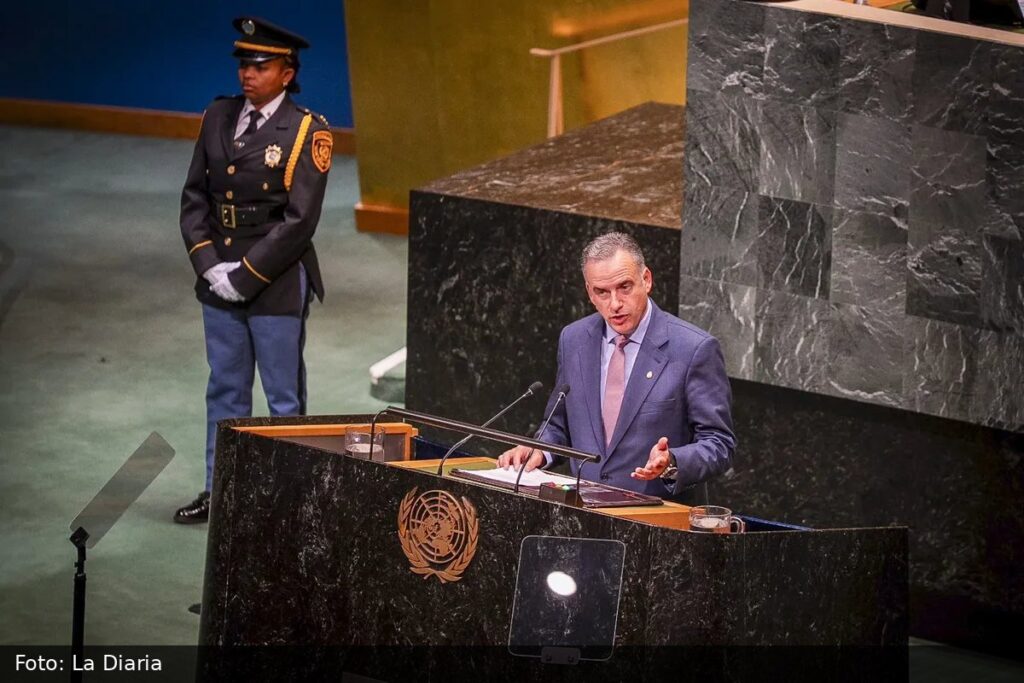
Yamandú Orsi’s speech before the UN General Assembly left political differences in Uruguay, particularly over his reference to the economic blockade on Cuba. According to La Diaria, before the trip the president had held meetings with leaders of the parties represented in Parliament, from which different suggestions emerged about the international approach he should take to New York.
According to that outlet, among the opposition proposals were calls for a democratic reopening in Cuba, free elections in Nicaragua and a timetable for electoral opening in Venezuela. From the Broad Front, by contrast, Fernando Pereira had conveyed his concern over the blockade on Cuba. In his remarks, Orsi mentioned the “suffering” caused by that blockade on the Cuban people and called for not being indifferent.
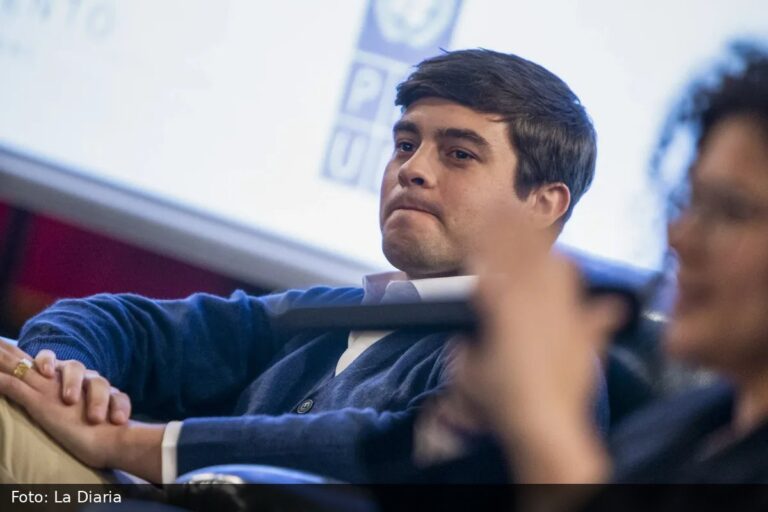
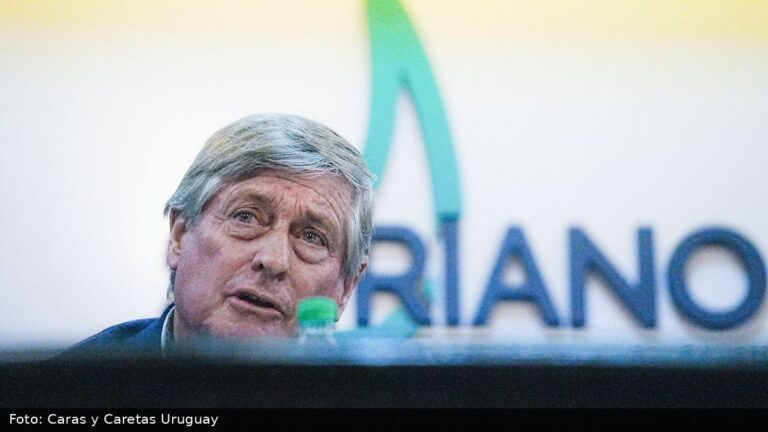
The reference generated discomfort in the opposition. La Diaria reported statements by Andrés Ojeda, who said he was surprised that the president put that issue at the center of his message and argued that it was a strategic mistake. Pablo Mieres questioned the absence of a demand for democracy in Cuba or allusions to Nicaragua or Venezuela. Álvaro Delgado, for his part, said on X that if all parties were convened to hear opinions, the result could not be to repeat the ruling party’s previous position.
From the Foreign Ministry, a source cited by La Diaria described the speech as “of very high caliber” and said it had a “very strong impact” diplomatically. According to that account, the mention of Cuba did not respond to the Broad Front’s position but to an idea the president had already been developing. It also highlighted that the message avoided the domestic political moment and sought to express the country’s values.
The outlet also noted that Orsi revisited in his address some recurring themes of Uruguayan foreign policy, such as the defense of dialogue and institutions, and added a call for more effective, more representative multilateral bodies capable of adapting to geopolitical changes.
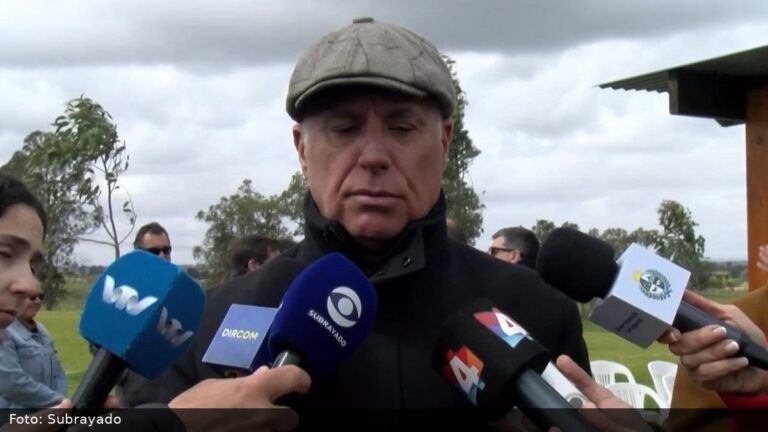
La Diaria also reported a favorable assessment from National Party member Alberto Volonté, president of the Center for Training for Regional Integration, who considered that the speech reflected a climate of understanding, peace and harmony in Uruguay. In his view, reducing the analysis to the reference to Cuba means shrinking the overall meaning of the message.
Regarding the agenda in New York, the outlet reported that Orsi met with Luiz Inácio Lula da Silva, Santiago Peña and Rodrigo Paz, in addition to taking part in an initiative on security and the fight against organized crime promoted by José Antonio Kast. He also held meetings with representatives of the private sector, including a Google executive and the CEO of Praxis.
On the analytical side, political scientist Carlos Luján told La Diaria that the mention of Cuba does not expose the government to tensions with the United States, but rather points to a regional concern. He also underscored that Orsi differentiated between the Cuban government and the Cuban people, and recalled that Uruguay has historically voted at the UN against the blockade, under administrations of different political stripes.
Sources
About this note. Written by El Notero with the assistance of artificial intelligence, based on what was published by the cited outlet. El Notero did not conduct its own reporting on this event.