Uruguay
The World Bank approved a $300 million loan to support reforms in Uruguay
The financing is aimed at measures to improve competitiveness, promote private investment and strengthen fiscal sustainability. It also includes a tool to access liquidity in the event of external shocks.
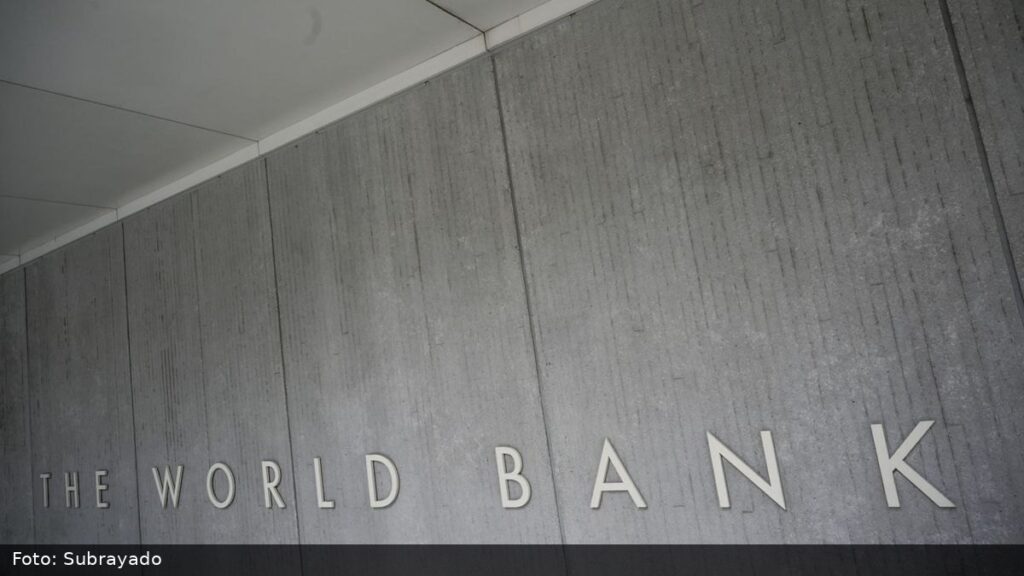
The World Bank approved $300 million in financing for Uruguay to support reforms aimed at improving competitiveness and encouraging private investment, with the goal of boosting employment and strengthening fiscal sustainability, according to Subrayado based on a statement from the institution.
According to that statement, the initiative seeks to support a new stage of growth with greater productivity, more investment and better job opportunities, based on the country’s macroeconomic stability and institutional strength.
Susana Cordeiro Guerra, Vice President of the World Bank for Latin America and the Caribbean, said that Uruguay has managed to build a foundation of institutional stability that is uncommon in the region and noted that the challenge now is to translate that strength into a more competitive, productive economy capable of generating quality jobs.
The statement also includes remarks from Economy Minister Gabriel Oddone, who stressed that Uruguay is a small and open economy exposed to external shocks. In that context, he said strengthening macrofinancial and fiscal resilience is a strategic priority and argued that, with a solid macroeconomy, the focus shifts to microeconomic reforms to increase competitiveness.
Among the measures mentioned by the World Bank are ratification of the trade agreement with the European Union, simplification of customs procedures, expanded access to financing for companies and a redirection of investment incentives toward projects with greater innovation. It also proposes encouraging formal hiring of young people, women and people in vulnerable situations.
According to the institution, the package also includes changes to strengthen the fiscal framework, with new rules on debt and the fiscal balance, greater autonomy for the Autonomous Fiscal Council and measures linked to the sustainability of the pension system. Added to that are international standards for the taxation of large multinational companies.
Subrayado also reported that the financing includes a Deferred Drawdown Option, a mechanism that would allow Uruguay to quickly access liquidity in the event of possible economic impacts without interrupting its reform agenda.
Sources
About this note. Written by El Notero with the assistance of artificial intelligence, based on what was published by the cited outlet. El Notero did not conduct its own reporting on this event.